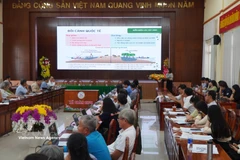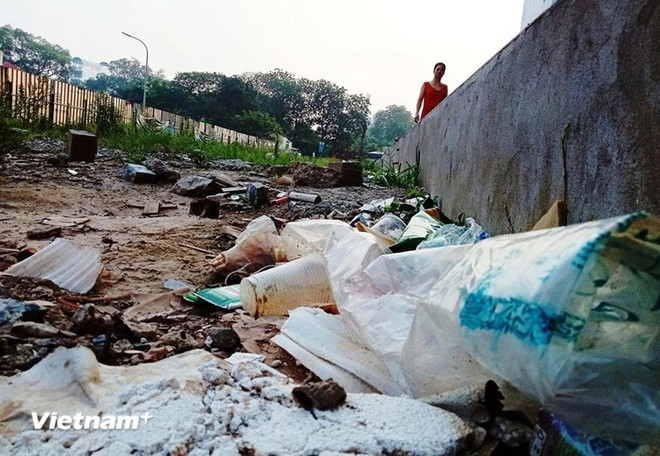
Hanoi (VNA) - Since 2020, WWF-Vietnam has worked with departments and local authorities in 10 provinces and cities to reduce plastic waste, aiming to cut at least 30 per cent of plastic pollution and eliminate plastic waste in nature by 2030. These efforts have involved implementing pilot models focused on reducing, reusing, and recycling plastic, raising public awareness, and strengthening waste management.
Following extensive assessment, WWF-Vietnam has recognised six particularly successful models that could be expanded.
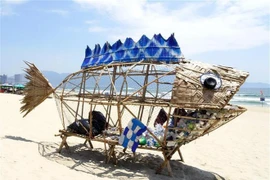
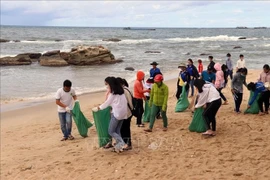
Among them is the initiative “Mobilising fishermen to bring garbage ashore” in Dong Hoi city, which has significantly reduced the amount of plastic waste dumped into the sea.
The programme not only helps protect marine ecosystems and aquatic resources but also promotes sustainable tourism. Strongly supported by the local community, it has encouraged fishermen to participate by collecting waste for recycling, with proceeds contributing to a charity fund.
Another successful model is the “Market for sorting and composting organic waste,” which has been piloted in Tuy Hoa city and Ha Tinh province. This initiative has demonstrated an effective process for sorting, collecting, transporting, and treating organic waste on a larger scale.
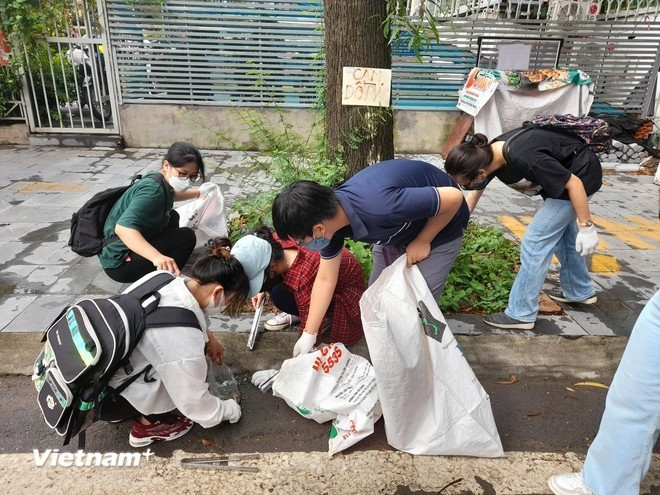
In Rach Gia city, the “Waste classification and organic waste treatment” programme has been recognised as a model that aligns well with local solid waste management plans. By encouraging decentralised management and treatment of organic waste at the household level, it has facilitated the creation of useful products from waste while reducing chemical pollutants and enhancing environmental awareness among residents.
Another initiative in Rach Gia, the “Reusing old tarpaulins” model, has been particularly noted for its humanitarian and social value. It has gained significant attention and support from individuals and charitable organisations, as it repurposes old tarpaulins into marketable products without incurring raw material costs.
In Da Nang’s Thanh Khe district, the “Green house” programme has made notable progress in raising community awareness of the importance of sorting and recycling plastic waste. It has successfully engaged a wide range of stakeholders, including the local women’s association, to drive participation. The initiative has led to a reduction in plastic waste in the environment, particularly high-value plastics, increasing their recovery and recycling rate.
A final model, “Eliminating hotspots and intervening to prevent reinfection,” implemented in Vung Ro Bay in Phu Yen province, has focused on eliminating pollution hotspots and reducing plastic waste. By improving the marine environment for aquaculture, the programme has helped increase marine productivity and product quality while also enhancing community awareness and environmental management skills.
WWF-Vietnam’s findings suggest that these six models have demonstrated strong potential for broader application. However, experts emphasise that to achieve lasting success, the expansion of these initiatives will require coordinated efforts from local authorities, businesses, and communities, as well as investment in infrastructure and public awareness campaigns to ensure widespread participation and long-term sustainability./.