The people of Thuong Dinh village in Nhi Khe commune, Thuong Tin district, are known for their industrious spirit and craftsmanship. They were among the first in the region to turn everyday agricultural products into culinary treasures. Over time, their handmade banh day, sold along Quan Ganh Street, became an iconic local treat.
A legend passed down through generations
According to village lore, a poor traveler once passed through and was warmly received by the locals. In gratitude, he shared a recipe for a glutinous rice cake. Enchanted by its taste, the villagers began making and selling the cakes. As word spread, the cakes grew in popularity, eventually becoming a specialty known far and wide.
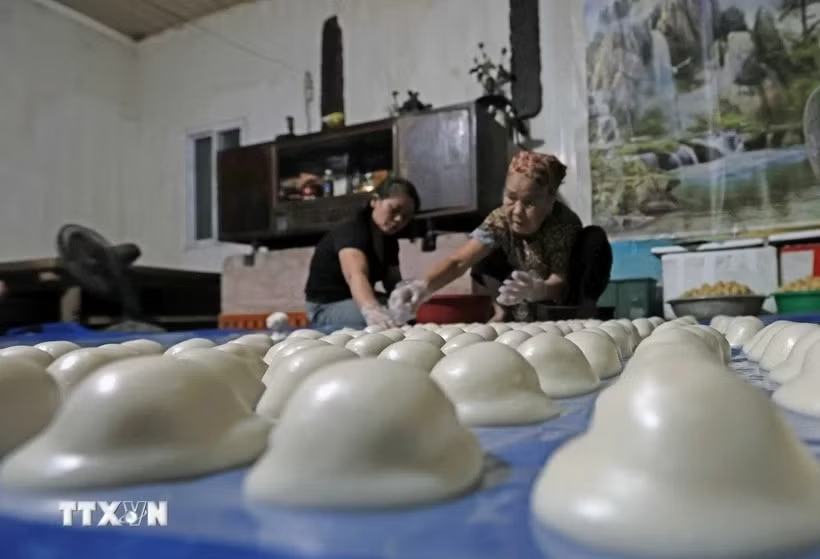
Today, the tradition is carried on by several families along Quan Ganh Street.
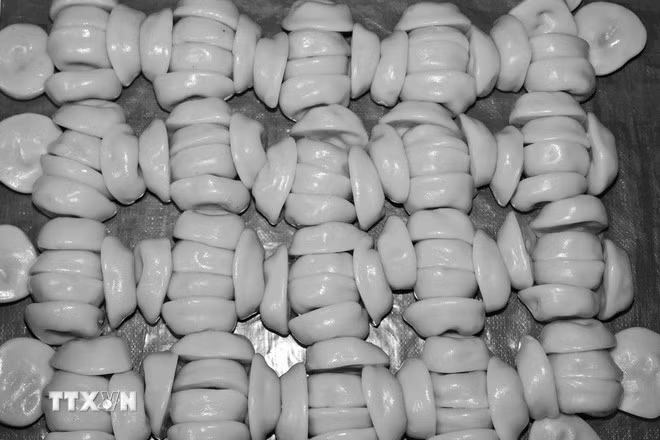
What makes Quan Ganh banh day unique?
Though the recipe appears simple, making perfect banh day demands time, skill, and attention to detail. The main ingredients include premium sticky rice (such as nep cai hoa vang or nep quyt varieties), yellow mung beans, and the aromatic essence of ca cuong (a local aquatic insect).
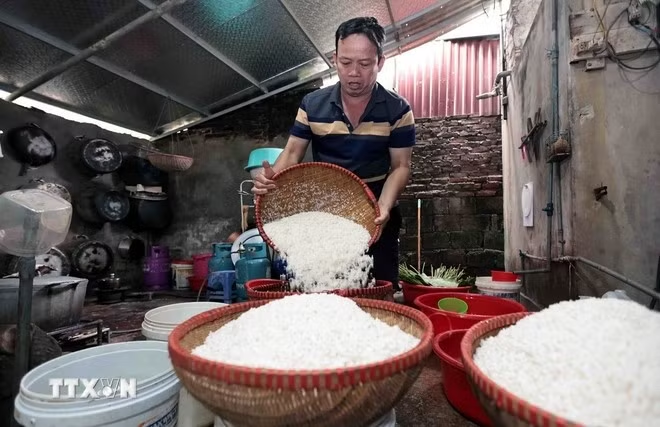
Only the finest glutinous rice is chosen—whole, unbroken grains free of impurities. After soaking for several hours, the rice is steamed. While still hot, it’s placed on a mat and pounded until it reaches a smooth, elastic consistency.
The dough is then divided, shaped into thin circles, and filled with either sweet or savory ingredients. Each cake is molded carefully, with a gentle indentation in the center. The finished cakes are bundled in sets, wrapped in fresh dong leaves, labeled, and tied with colorful bamboo strings.
A variety of flavors
Quan Ganh banh day comes in three main styles. The sweet version features mung bean paste caramelized with sugar. The savory version includes mung beans, shredded coconut, pork belly, shallots, and a drop of ca cuong essence. There’s also a plain version, with no filling, often served with grilled cinnamon pork or sweet soup.
More than just a snack
Beyond being a delicious treat, banh day is a meaningful gift, often brought home to loved ones or used as an offering during festivals and special ceremonies. As demand increases, the village bustles with activity, especially around weddings and holidays.
Over time, Quan Ganh banh day has become a symbol of rustic charm and Vietnamese cultural heritage. Simple in appearance but full of meaning, it reflects the pride and soul of a community deeply rooted in tradition.
Like banh da or banh duc, banh day is more than just food—it’s a cultural icon and a humble yet enduring reminder of Vietnam’s rich culinary landscape./.