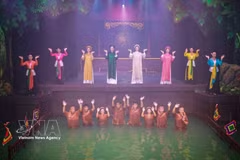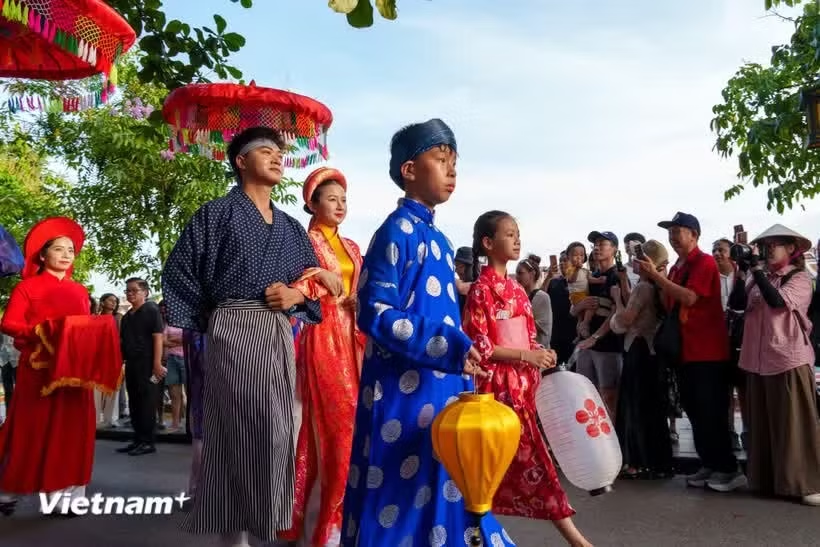
Da Nang (VNA) - The 22nd Hoi An–Japan Cultural Exchange officially opened on May 22 in the central city of Da Nang, transforming the UNESCO-recognised heritage into a vibrant cultural space where centuries-old traditions meet contemporary creativity.
Jointly organised by the municipal People's Committee and the Hoi An World Cultural Heritage Conservation Centre, the annual event celebrates the enduring friendship between Vietnam and Japan while highlighting the role of cultural heritage in sustainable tourism development.
Speaking at the opening ceremony, Nguyen Thi Anh Thi, Vice Chairwoman of the Da Nang People's Committee, underscored the festival's profound historical significance.
She noted that Hoi An, once a busy international trading port in the 16th and 17th centuries, welcomed merchants from across the world. More than 400 years ago, Japanese traders crossed the seas to the ancient town, bringing not only trading ambitions but also the cultural traditions and spirit of their homeland.
According to Thi, the festival is more than an annual cultural exchange. It represents a rendezvous between the past and the present. It represents a continuation of a relationship nurtured over four centuries and an opportunity to reflect on the cultural values, humanitarian spirit and friendship that generations of Vietnamese and Japanese people have worked together to preserve.
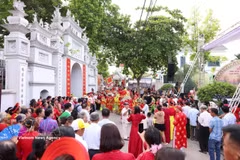
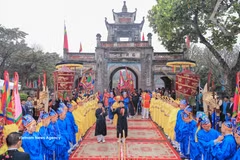
A re-enactment of the historic wedding between Princess Ngoc Hoa - known in Japan as Princess Anio - and Japanese merchant Araki Sotaro. (Photo: VietnamPlus)
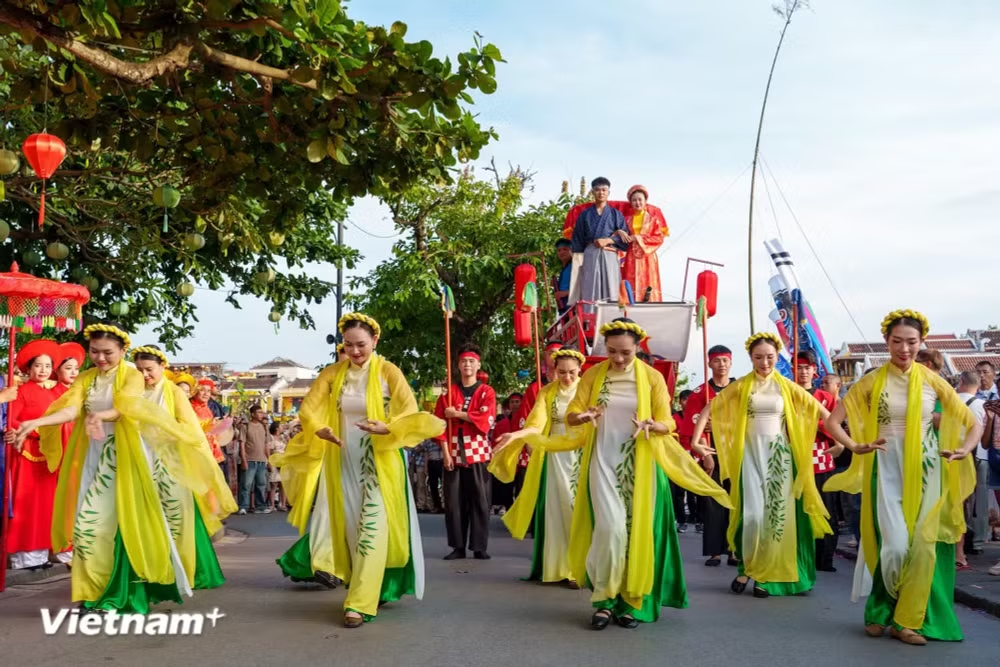
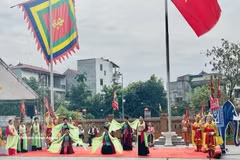
One of the opening day's highlights was the re-enactment of the historic wedding between Princess Ngoc Hoa - known affectionately in Japan as Princess Anio - and Japanese merchant Araki Sotaro. The colourful wedding procession winding through Hoi An's moss-covered ancient streets, accompanied by traditional music, captivated residents and visitors alike, evoking pride in the long history of cultural exchanges between the two nations.
Japanese Ambassador to Vietnam Ito Naoki expressed his emotion at seeing the 400-year-old historical connection vividly brought back to life. He reaffirmed the Japanese Government's commitment to strengthening cultural cooperation and people-to-people exchanges with Vietnam.
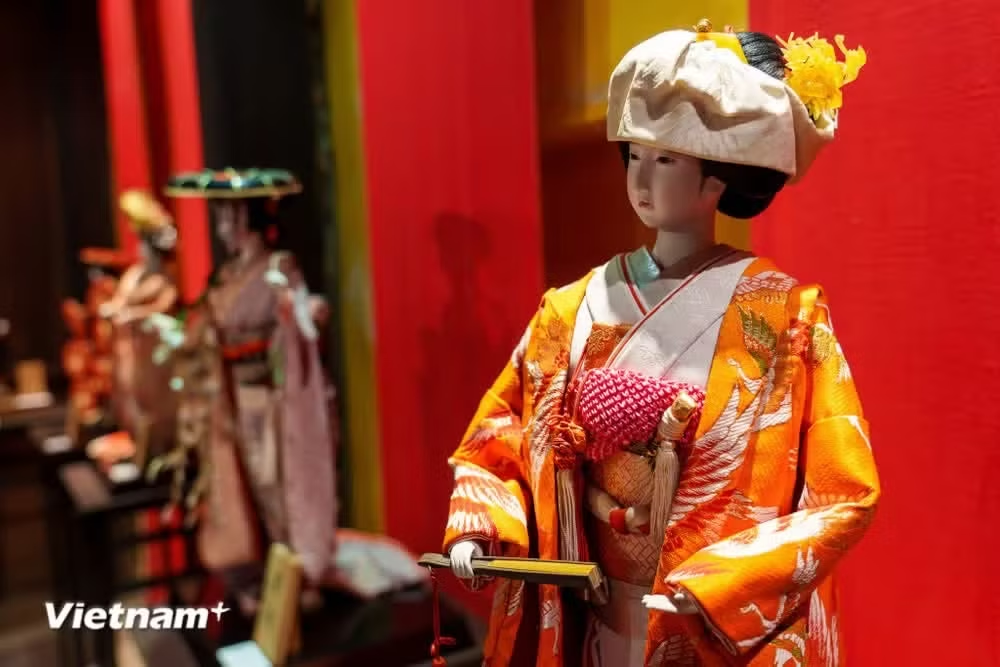
Beyond its historical themes, this year's festival also embraces contemporary culture through a variety of interactive cultural experiences and modern art exhibitions.
Among the attractions drawing particular interest from younger visitors is Baby Sumoco, an art toy inspired by the traditional Japanese sumo wrestler while incorporating the graceful movements of Western ballet dancers. Behind its playful appearance lies the social message "Knock out body shaming," encouraging people to reject prejudice over physical appearance.
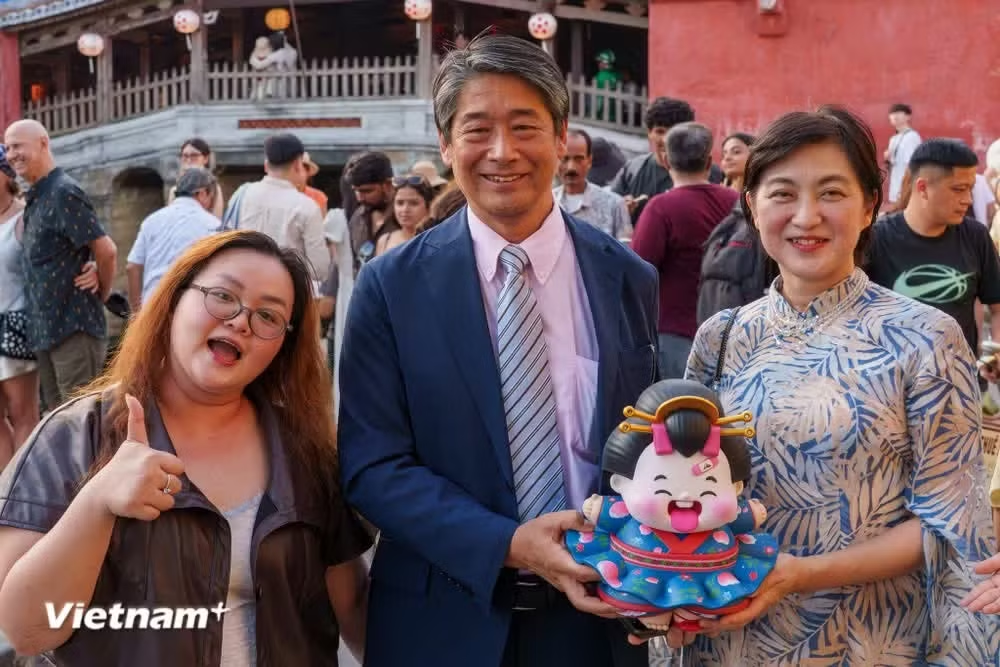
Pham Dao Thanh Nhi, Marketing Director of the Baby Sumoco brand, said the creator hopes that this subtle contrast will encourage people to cast aside negative judgments, embrace their true selves with confidence, and spread positive energy throughout the community.
The inclusion of contemporary artistic expressions has broadened the festival beyond a traditional cultural celebration, creating an open platform for dialogue between generations and bringing Vietnamese and Japanese youth closer together through creativity and shared values.
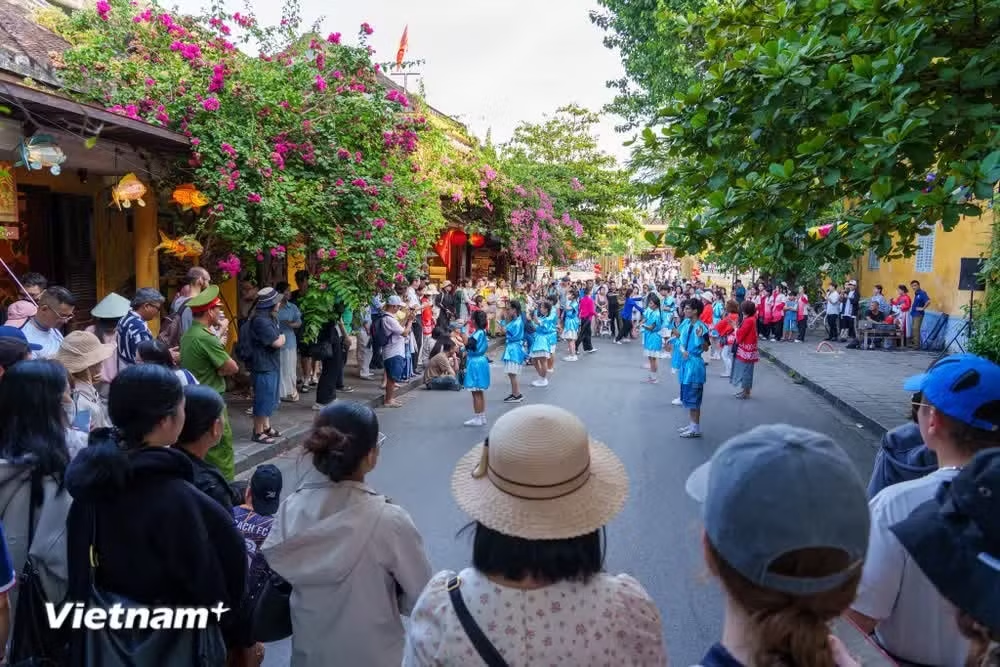
The festival's growing popularity reflects the enduring appeal of Hoi An's cultural heritage and its role as a destination for international visitors. According to tourism statistics, Vietnam welcomed approximately 860,000 Japanese visitors in 2025.
Looking ahead, Ambassador Ito Naoki expressed his hope that the number of Japanese visitors to Vietnam will reach one million within the next two to three years. He said the successful organisation of the festival will raise Hoi An's profile among Japanese travellers, contributing to tourism cooperation and deeper mutual understanding between the two countries./.