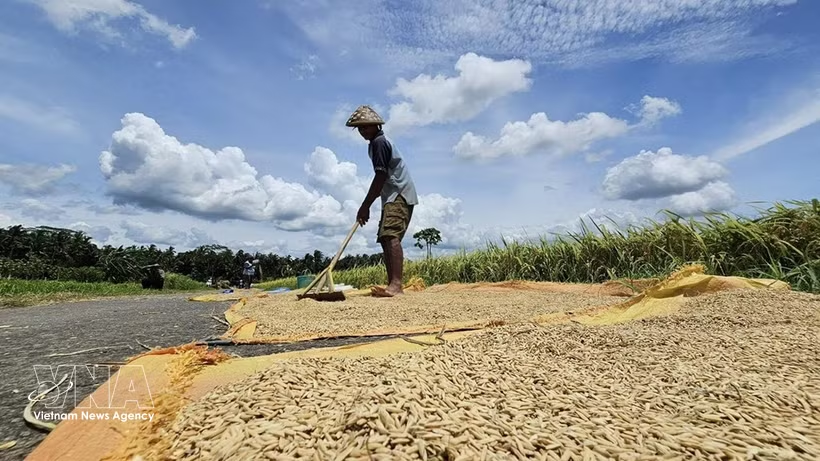
Jakarta (VNA) – Indonesian Agriculture Minister Amran Sulaiman on June 18 announced that the country has achieved food self-sufficiency in line with the standard set by the Food and Agriculture Organization (FAO).
The official said the claim of self-sufficiency refers to the 1999 FAO standard, stating that a country is considered self-sufficient if its imports fall below a maximum limit of 10%.
Sulaiman said there are 12 key food commodities requiring strict monitoring by relevant ministries and institutions to maintain national stability, of which eight have already achieved self-sufficiency and even generate surplus production for export.
Currently, only three food commodities still require foreign supplies to meet national needs - garlic, beef, and soybeans. The total shortfall for these three food commodities, which are not yet self-sufficient, amounts to approximately 3.5 million tonnes.
Overall, domestic food production stands at about 73 million tonnes, compared with consumption of around 68 million tonnes, bringing the import dependency ratio down to 4–5%.
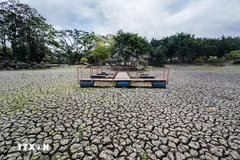
Indonesia’s food security strategy not only targets production self-sufficiency but also aims to strengthen the resilience of the food system against external shocks, including price volatility, supply chain disruptions, and the impacts of climate change.
Current programmes continue to focus on expanding domestic production, upgrading agricultural value chains, reducing post-harvest losses, and promoting the application of advanced technologies in agricultural production./.

Indonesia boosts nuclear cooperation with Russia
Indonesia stands ready to work with Russia and all ASEAN member states to ensure the partnership contributes to stronger resilience, prosperity, and long-term regional stability.