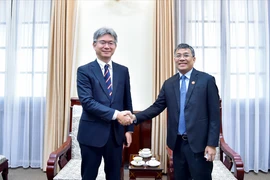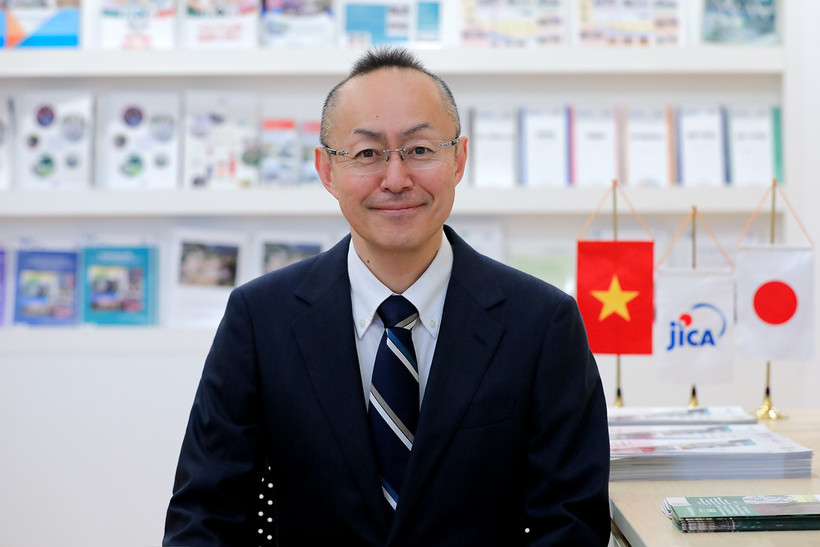
Hanoi (VNA) – Cooperation between Vietnam and the Japan International Cooperation Agency (JICA) continued to yield tangible results in 2025, particularly as Vietnam accelerates its green transition and digital transformation, JICA Chief Representative Kobayashi Yosuke has said.
In an interview with the local press ahead of the Lunar New Year 2026, Kobayashi noted that over more than three decades of partnership, Japanese official development assistance (ODA) projects implemented by JICA have been aligned with Vietnam’s evolving development priorities, contributing to climate action, sustainable growth and digital innovation.
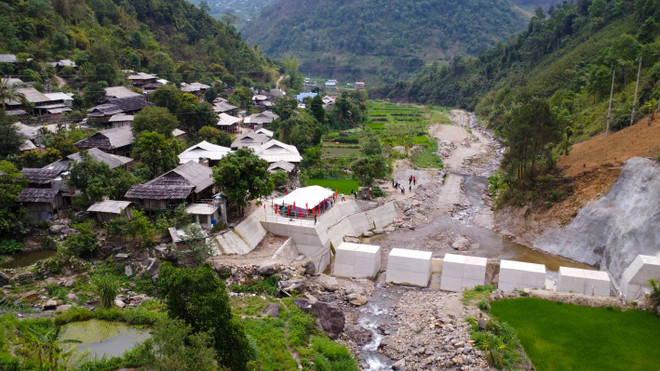
To support Vietnam’s green transition, cooperation has focused on both policy-level support and concrete sectoral projects, ranging from climate target monitoring and circular economy development to climate-resilient agriculture, sustainable transport in the Mekong Delta, flood prevention planning in central regions and improvements to urban water environments. Notable milestones in 2025 included the inauguration of the Sabo dam project in Son La province in April, helping mitigate flash floods, and the Yen Xa wastewater treatment plant in Hanoi in August, both of which are expected to enhance environmental protection and sustainable urban development.
In the energy sector, a 144-MW onshore wind power project in Quang Tri province reached completion through private sector investment and finance mechanisms, contributing to Vietnam’s transition towards cleaner energy sources.
Digital transformation also featured prominently in bilateral cooperation during the year. Joint projects supported the development of on-site environmental analysis technologies for water and air quality, while cooperation in artificial intelligence (AI) training and research was expanded through partnerships between Vietnamese universities and Japanese institutions, reflecting the growing global importance of the field.
The year 2025 additionally marked 30 years of cooperation in legal and institutional development. Over this period, technical cooperation projects have supported the drafting of key legislation, including the Civil Code, and strengthened capacity in the legal and judicial sectors. According to Kobayashi, these efforts have helped reinforce Vietnam’s legal framework while deepening bilateral cooperation in law and justice.
Looking ahead, he observed that further progress in institutional development will depend on improving the effectiveness of law enforcement, enhancing transparency and public participation in policymaking, aligning domestic legislation with international standards while maintaining practical applicability, and building sustainable reform mechanisms supported by high-quality human resources.
Cooperation is also expected to expand to specialised areas such as intellectual property, insolvency and competition law, in line with Resolution No. 66-NQ/TW on renewing law building and enforcement to meet development requirements in the new era.
Recognising that human resources and infrastructure remain key drivers of socio-economic development, cooperation has also prioritised education, training and modern infrastructure development to help Vietnam attract foreign investment. In higher education, long-standing programmes, including ICT training cooperation with Hanoi University of Science and Technology (HUST), have helped produce generations of engineers with international competitiveness, more than 1,000 of whom are now working in Japan and contributing to economic linkages between the two countries.
Ongoing cooperation in AI research between HUST and the University of Tokyo has seen strong participation, with more than 1,600 Vietnamese students enrolling in online AI courses, the highest participation level from any single university worldwide. Meanwhile, new training programmes in semiconductor technology at Vietnam–Japan University and Japanese-style management training for Vietnamese business leaders continue to draw strong interest, highlighting the potential of Vietnam’s young workforce.
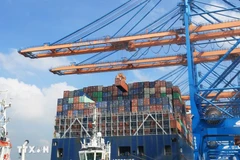
In infrastructure development, cooperation has emphasised the concept of “high-quality infrastructure”, focusing on efficiency, safety, disaster resilience, technology transfer and human resource development. This approach, Kobayashi said, is essential as Vietnam seeks to narrow its infrastructure gap and move towards high-income status by 2045, in line with orientations on private sector development set out in Vietnam’s Politburo’s Resolution 68. Major projects such as Lach Huyen deep-water port, Cai Mep–Thi Vai port, Noi Bai International Airport and Nhat Tan Bridge have contributed to Vietnam’s socio-economic growth and connectivity.
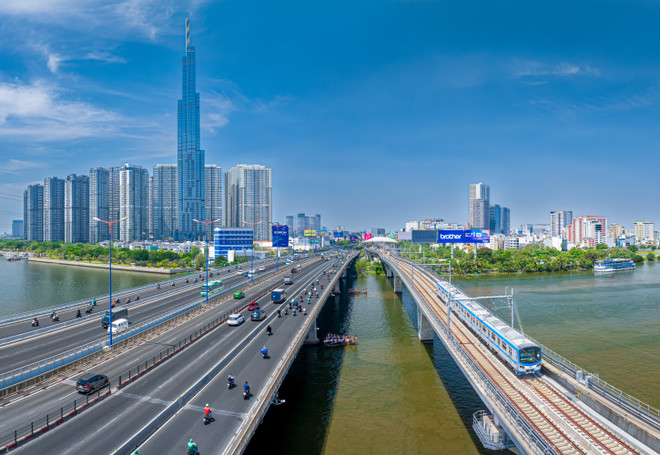
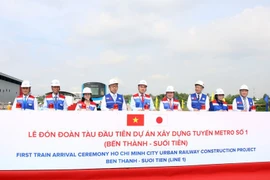
A particularly symbolic milestone was December 22, 2025, marking one year since the start of commercial operations of Metro Line 1 Ben Thanh–Suoi Tien, Vietnam’s first urban railway line, which has opened a new chapter in public transport development in Ho Chi Minh City.
Against the backdrop of increasingly complex development challenges, Kobayashi said cooperation is moving beyond one-way transfers of knowledge and technology towards the “co-creation” of solutions. In line with Vietnam’s development priorities and its goal of becoming a high-income country by 2045, he noted that JICA will continue to work with a wide range of partners in both Vietnam and Japan to mobilise technical and financial resources for more sustainable and inclusive cooperation./.