Can Tho (VNA) – The Lunar New Year (Tet) 2026 has marked a strong shift in consumer behaviour across the Mekong Delta, with domestically-made products overwhelmingly dominating the market.
From premium gift hampers to essential goods at floating markets and rural fairs, Vietnamese products have firmly taken the spotlight.
In key retail hubs such as Can Tho, Long Xuyen and My Tho, high-quality Vietnamese goods account for 85–90% of Tet market share. Surveys at major supermarket chains and traditional markets show that consumers this year are prioritising locally-processed foods, confectionery and beverages. Improved product quality, stricter food safety standards and more attractive packaging have helped domestic brands compete head-to-head with imported goods. In a context where households are tightening spending, competitively priced Vietnamese products are emerging as the top choice.
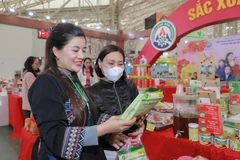
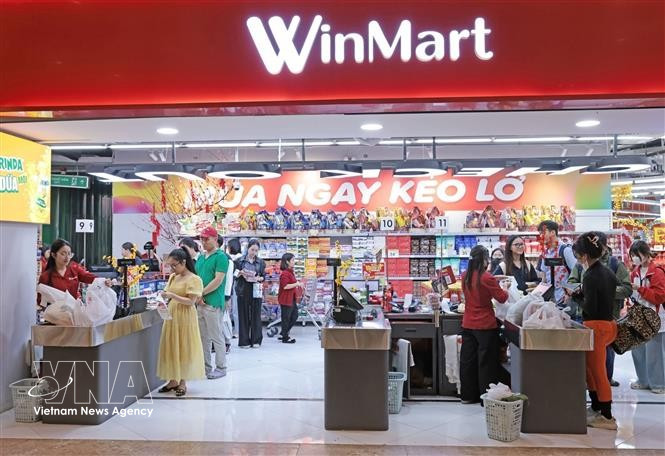
At modern retail systems, including Co.opmart, WinMart, Bach Hoa Xanh and GO!, purchasing power has steadily increased in the run-up to Tet. In many outlets, Vietnamese goods make up 90–95% of displayed items.
At GO! Bac Lieu supermarket, dried fruits, traditional jams, soft drinks and regional specialties are drawing large crowds, with more than 90% of stock sourced domestically, according to the store’s management.
Similarly, Co.opmart Ca Mau has prepared Tet supplies with over 95% domestic goods, up nearly 30% compared to the same period last year. Retailers are rolling out deep discount programmes, with some essential items reduced by more than 50%, while also organising mobile sales trips to rural areas to expand access to Vietnamese products.
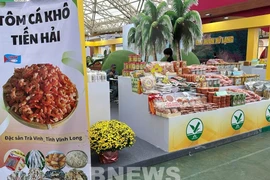
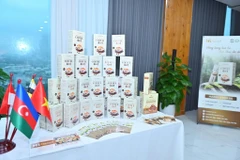
In Can Tho city, supermarkets are offering a wide range of Tet gift hampers across various price segments. Budget-friendly gift baskets and regional specialties are proving particularly popular. Many consumers favour locally-made products with clear origins and environmentally friendly packaging. OCOP (One Commune One Product) items such as clean rice, purple rice milk, dried shrimp, Chinese sausage, "pia" cake and coconut candy are seeing strong demand.
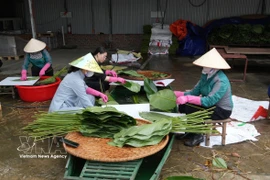
Notably, packaging innovation has become a highlight. Many retailers have replaced plastic bags with paper boxes, woven grass baskets and coconut-fibre materials, enhancing sustainability while adding rustic charm.
Beyond supermarkets, Vietnamese goods are thriving at traditional markets and floating markets such as Cai Rang in Can Tho and Nga Nam in Soc Trang. Boats laden with essential goods bearing Vietnamese labels regularly dock along the rivers, bringing quality products at stable prices to remote communities.
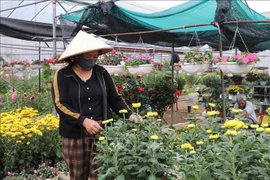
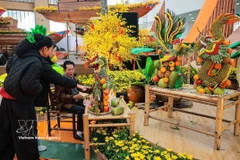
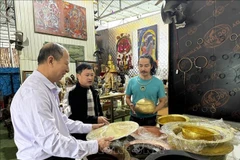
OCOP specialties have become the “soul” of Tet gift hampers this year, reflecting growing consumer appreciation for local identity and traceable supply chains. Handicraft villages across the region are also capitalising on the Year of the Horse theme, launching horse-shaped pottery, ornamental plants symbolising prosperity and bamboo-and-rattan feng shui gifts.
Retailers noted that consumers now choose Vietnamese goods not out of patriotic sentiment alone but because of genuine trust in quality and value. With improved designs, competitive pricing and effective distribution networks, domestic products are steadily consolidating their position.
The Tet market in the Mekong Delta this year underscores the resilience of Vietnam’s domestic economy. As Vietnamese goods deepen their roots in everyday life, they are shaping a festive season that is not only prosperous but also rich in national identity and local pride./.