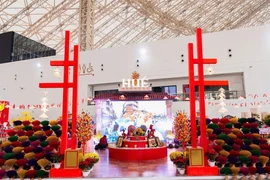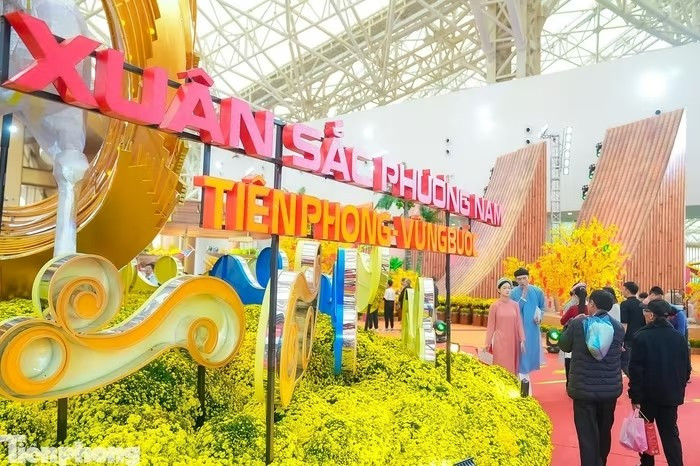
Hanoi (VNA) - The Ho Chi Minh City pavilion at the ongoing Glorious Spring Fair 2026 in Hanoi has been meticulously designed to capture the distinctive cultural signature of southern Vietnam.
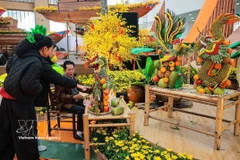
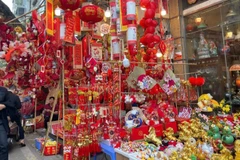
Dominating the display is the vibrant yellow of apricot blossoms, the signature Tet flower of the south, accented by chrysanthemums, marigolds, and cockscomb, all iconic symbols of the region's Lunar New Year traditions.
Crafting a southern cultural showcase
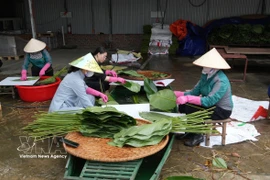
Among the array of booths featuring specialty goods and consumer products, the coconut-leaf weaving space curated by artisan Ha Tho stands out for its use of rustic, natural materials and precise handiwork.
The artisan showcases an extensive lineup of items made exclusively from coconut leaves, ranging from handbags and vases to hats, bridal bouquets, and intricate decorative figures including butterflies, grasshoppers, dragonflies, and peacocks. The variety of designs has attracted steady crowds keen to explore more.
Her passion for coconut leaves traces back to childhood memories, when such leaf creations were integral to family traditions. To date, she has created 70 - 80 different designs and spread the art form via online channels, fairs, and exhibitions nationwide, making it more accessible to the public.
Another key attraction is the space dedicated to artisan Nguyen Van Tuyen, whose colourful fruit and vegetable carvings mesmerize visitors with bold hues and balanced compositions. Drawing on familiar agricultural produce, his works blend aesthetic appeal with deep cultural meaning.
According to him, fruit represents the rewarding outcome of human effort and nature's bounty. Each piece is therefore created with meticulous care and respect as an homage to the farmers who cultivate the materials. The traditional Tet fruit tray, he noted, is more than decoration; it conveys aspirations for prosperity, harmony and peace in the year ahead.
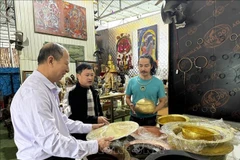
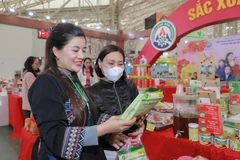
Ceramic artistry representing Binh Duong, a province long renowned for its traditional pottery craft, forms another focal point, complemented by a live demonstration of net-weaving that highlights the coastal livelihoods of Vung Tau fishermen, an element inscribed as part of the locality's intangible cultural heritage.
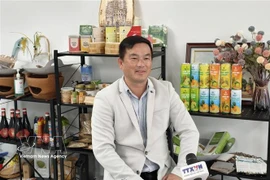
Dinh Quang Minh from the Ho Chi Minh City Centre for Culture and Exhibition said the pavilion is divided into thematic zones, including a performance stage for “don ca tai tu” - the emblematic traditional music of southern Vietnam, and dedicated areas for Binh Duong ceramics, Vung Tau net weaving and interactive experiences. The clear layout allows visitors to better access and understand the regional cultural identity.
Portraying a socio-economic landscape
This year, Ho Chi Minh City has been selected as the “featured locality” and occupies the main exhibition hall of about 6,500 sq.m. Close to 80 top enterprises are presenting more than 300 products, solutions and services that illustrate the city's manufacturing prowess, innovative capacity, and economic vitality.
The display opens with an overview of socio-economic accomplishments, spotlighting key growth indicators, infrastructure milestones and urban development. It is followed by a dedicated zone on sci-tech, innovation, and digital transformation, featuring AI applications, digital government ecosystems, and drone technologies developed by companies at the Saigon Hi-Tech Park.
A scaled model of a sci-tech city reflects modern urban planning, green energy solutions and data centre concepts. The key industrial products and “Golden Brand” section features flagship enterprises such as Satra, Saigon Co.op, Dien Quang, Vissan and Duy Tan Plastics, a testament to the competitiveness and quality standards of local products.
In agriculture, the high-tech farming, One Commune One Product (OCOP) and traditional craft village zone demonstrates how science and innovation elevate farm output, with contributions from businesses and research bodies. A tourism promotion zone, in collaboration with Saigontourist, introduces distinctive products and services, inviting visitors to explore a dynamic and modern destination.
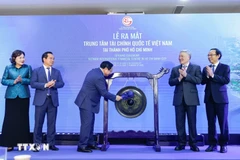
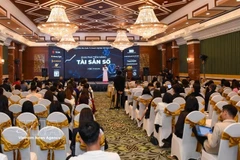
A consistent thread across the Ho Chi Minh City pavilion is a series of southern-style cultural and art performances. Following the opening ceremony, a fashion display of traditional long dress and “ao ba ba” (southern Vietnamese blouse), combined with “don ca tai tu” recognised by UNESCO as an Intangible Cultural Heritage of Humanity, sets a vibrant spring atmosphere. Hands-on experiences such as Binh Duong pottery making, coconut-leaf weaving, calligraphy writing and arranging the southern five-fruit tray allow visitors not only to observe but also engage directly.
Nguyen Van Dung, Vice Chairman of the municipal People’s Committee, said the city’s presence aims to introduce signature products while portraying its socio-economic landscape of 2025 through 12 imprints across various sectors.
The pavilion also outlines the city's vision for developing a sci-tech urban area in the northern part, alongside advances in sci-tech, high-tech agriculture, and distinctive southern specialties./.