Malaysia pushes digital adoption to boost MSME competitiveness

Mohd Azamanizam Baharon, President of the Malay Entrepreneurs and Industrialists Association of Malaysia (PERDASAMA), said digital tools such as point-of-sale systems, automated accounting, cloud-based inventory management, and customer relationship management (CRM) applications have streamlined MSME operations and improved accuracy.

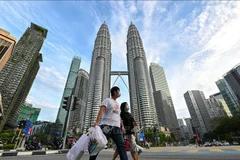
Malaysia accelerates digital adoption to strengthen MSME competitiveness (Photo: govinsider.asia)

Kuala Lumpur (VNA) — Malaysia is stepping up efforts to help micro, small and medium enterprises (MSMEs) adopt digital technologies, recognising digitalisation as a key driver of efficiency, competitiveness, and long-term sustainable growth.

The priority is outlined in the country’s 13th Malaysia Plan (13MP).

Digital adoption is no longer optional but a strategic necessity for MSMEs to survive and grow amid fast-changing business conditions.

Mohd Azamanizam Baharon, President of the Malay Entrepreneurs and Industrialists Association of Malaysia (PERDASAMA), said digital tools such as point-of-sale systems, automated accounting, cloud-based inventory management, and customer relationship management (CRM) applications have streamlined MSME operations and improved accuracy.

E-commerce platforms like Shopee, Lazada, and TikTok Shop, along with social media channels such as Instagram and Facebook, have enabled MSMEs to reach wider markets beyond geographical boundaries. These platforms also provide access to user data, market trend analysis, and customer feedback, helping businesses refine strategies and compete both domestically and globally.

Digitalisation has also reduced operating costs by automating labour-intensive tasks, optimising logistics, and improving inventory tracking. Digital invoicing and e-payments save time and expenses on printing, postage, and manual cash handling, while digital marketing is more cost-effective than traditional advertising. AI and data analytics allow MSMEs to forecast demand and avoid resource waste.

Under 13MP, MSMEs are seen as a key driver of Malaysia’s socio-economic development through 2030, with targets to increase their GDP contribution and create 700,000 new manufacturing jobs and 500,000 in the digital economy. The plan centres on three strategies, with AI and advanced technologies as the core driver to move the economy up the value chain.

Azlan Zainal Abidin, CEO of digital solutions provider Awantec, called digital transformation a catalyst for MSME growth. Cloud and AI technologies give small businesses access to advanced, affordable tools, enabling rapid and efficient scaling, such as deploying e-invoicing./.

VNA

See more

Malaysia busts massive drug syndicate

Malaysia busts massive drug syndicate

An international drug syndicate was busted after Malaysian police seized over 18 tonnes of drugs worth nearly 375 million USD in one of the country’s biggest drug busts on record.

Indonesia will not import rice for either consumption or industrial use next year. (Photo: tempo.co)

Indonesia to stop rice imports next year

Indonesia's rice production in 2025 is projected to reach 34.77 million tonnes, up 13.54% year on year, driven by favourable weather and farmer support policies under President Prabowo Subianto’s administration.

Distinctive festivals across Indonesia attract international visitors. (Photo published by VNA)

Indonesia identifies 15 priority tourism markets for 2025–2026

According to data compiled by the Ministry of Tourism, the number of tourists from Malaysia reached 2.18 million in the January-October 2025 period, showing a growth of 15.91% compared to last year. Meanwhile, the number of visitors from Singapore totaled 1.19 million this year, growing by 7.66% from 2024.

The 8th Cooperative Plan Meeting between the Ministry of Commerce of Thailand and the Ministry of Industry and Commerce of Lao PDR, December 17, Bangkok, Thailand (Photo: nationalthailan.com)

Thailand, Laos aim to boost bilateral trade

Laos is Thailand’s 7th largest trading partner in ASEAN and 18th globally. From January to October 2025, two-way trade grew by 18.65% to 8.18 billion USD, with Thai exports increasing by 16.90% to 4.81 billion USD and imports rising by 21.23% to 3.60 billion USD.

File photo of Visa and Mastercard credit cards. (Photo: AP)

Unpaid credit card balances in Singapore hit record high in 10 years

Experts attributed the worrying trend to factors like people not spending within their means, consumer culture emphasising prestige items, and easier access to credit like “buy now, pay later” services. Analysts said this can be a hint of growing financial pressures faced by Singaporeans amid rising prices.

Malaysian Deputy Prime Minister Datuk Seri Fadillah Yusof (Photo: Bernama)

Malaysia accelerates clean energy transition

Delivering a speech at the Clean Energy Transition Asia (CETA) Summit 2025 in Kuala Lumpur, Fadillah, who is also the energy transition and water transformation minister, said that the Southeast Asian region now drives more than half of the global energy demand.