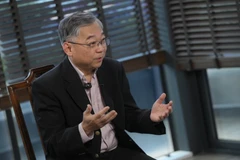
Kuala Lumpur (VNA) – Malaysia identifies artificial intelligence (AI) as a key strategic driver to turn Kuala Lumpur into its leading smart city, towards a livable, sustainable urban model and enhancing its competitiveness in ASEAN, according to Malaysian Digital Minister Gobind Singh Deo.
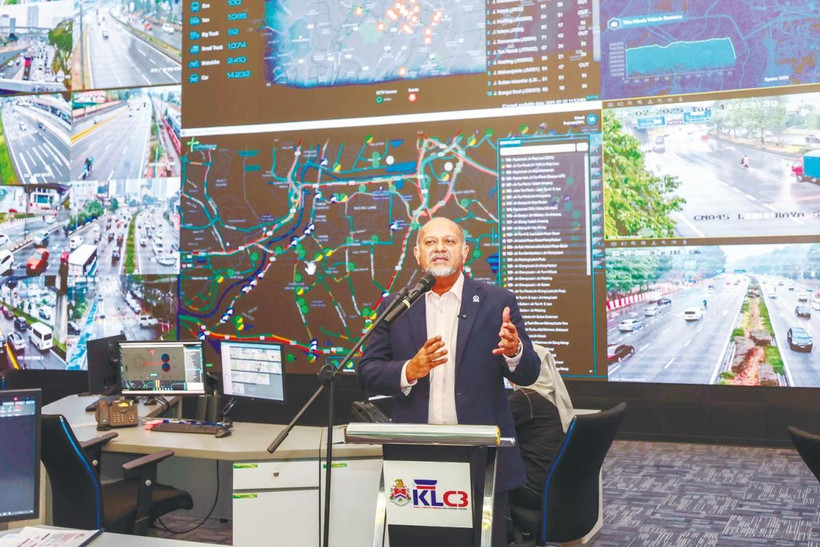
Speaking during a visit to the Kuala Lumpur Command and Control Centre (KLCCC), he unveiled ambitious plans to transform the capital into a model AI city, laying the groundwork for a broader “Smart Nation” strategy under Malaysia Digital 2030.
As the nation’s capital transforms into a model of intelligent city planning, it signals the country’s broader commitment to harnessing AI for sustainable, efficient, and citizen-centric development.
The KLCCC, operated by Kuala Lumpur City Hall, serves as the city’s nerve centre for smart traffic management, emergency response and urban planning.
With AI-driven systems already in place, including real-time traffic signal adjustments, citywide surveillance analytics, and a developing “digital twin” of Kuala Lumpur, the centre marks a pivotal milestone in Malaysia’s digital transformation.
The digital twin, a virtual replica of the city, allows for real-time simulation and analysis of urban dynamics. This supports more effective planning, emergency response and resource optimisation. It is one of several AI-enabled features integrated into Kuala Lumpur’s urban management framework.
A key enabler of the AI-driven city model is the country’s data infrastructure.
Gobind said the ministry is moving forward with a “cloud-first” policy and is working to ensure that data across ministries is digitised, centralised and AI-ready.
The minister also highlighted the role of the Data Centre Task Force, which aims to streamline infrastructure planning and resource allocation in line with AI and cloud computing needs.
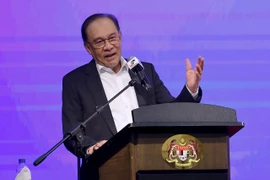
Transforming Kuala Lumpur into a smart city is a long-term strategy that requires Malaysia to be technologically ready in the next five years, thereby reinforcing the government’s commitment to applying technology to improve the quality of life for its citizens. The integration of AI into the city’s operations will not only help Kuala Lumpur address its urban challenges, but also lay the foundation for building a smart city ecosystem across the country, thereby implementing Malaysian Prime Minister Anwar Ibrahim’s digital transformation vision of focusing on readiness, trust and secure systems./.