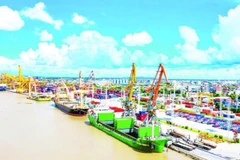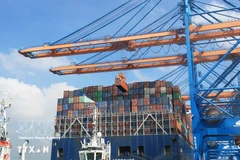
Kuala Lumpur (VNA) - As regional investment flows and supply chains undergo rapid restructuring, trade ties between Vietnam and Malaysia are evolving beyond traditional goods exchange toward the formation of a sustainable trade corridor.
This shift calls for systemic changes, from the way trade fairs are organised and products are positioned to the promotion of synergies in high technology.
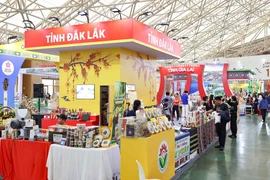
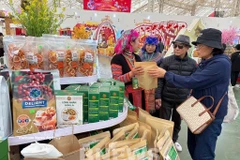
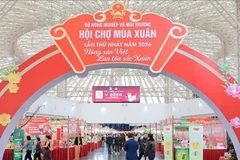
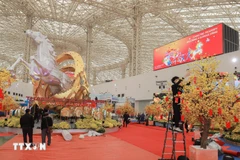
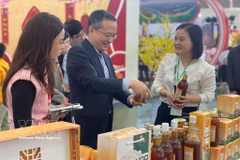
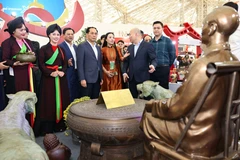
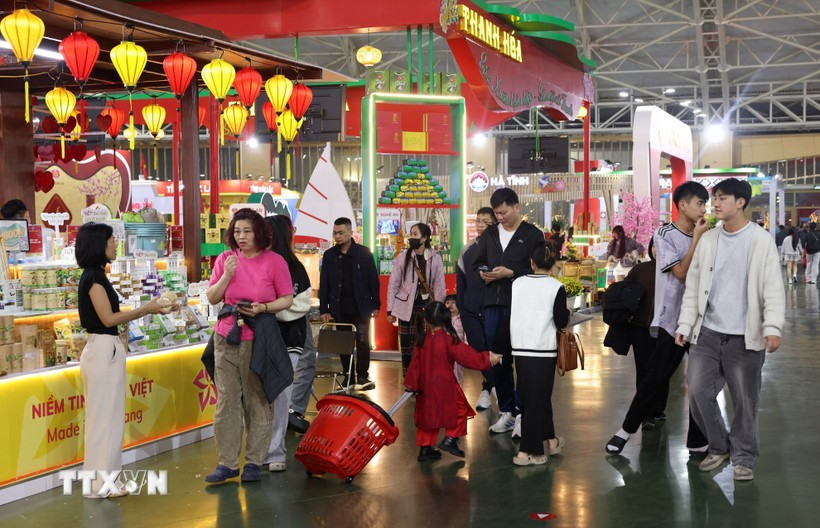
Speaking with Vietnam News Agency (VNA) correspondents in Kuala Lumpur on the occasion of the first Glorious Spring Fair 2026 in Hanoi, which aims to stimulate consumption and expand trade opportunities, Jeevan Muniandy, Chief Executive Officer of BIDMYASSET - a Malaysian company specialising in industrial asset optimisation that has recently established a legal entity in Ho Chi Minh City, said Vietnam holds very large market potential.
He noted that the trends of manufacturing relocation and automation are positioning Vietnam as a new regional hub. Demand in Vietnam for modern machinery from Germany and Malaysia is increasing, particularly in strategic sectors such as semiconductors. However, market entry requires strict compliance with environmental regulations, including limits on importing machinery over 10 years old, in line with Environmental, Social and Governance (ESG) standards and carbon-reduction goals.
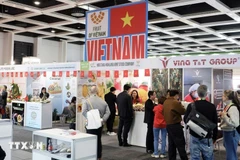
Muniandy stressed that professionally organised trade fairs are among the most effective tools for deepening business ties. Drawing on his experience, he said such events help build trust and credibility by allowing firms to directly showcase products and capabilities. In Malaysia, international trade exhibitions and conferences are held almost weekly, creating continuous opportunities for companies to connect and form partnerships.
Sharing this view, James Tan, Secretary-General of the Malaysia–Vietnam Chamber of Commerce (MVCC), said trade promotion events should go beyond symbolic displays. He called for mechanisms that turn initial contacts into concrete transactions and provide post-event support to exporters, ensuring that trade fairs become real drivers of sustainable growth.
On market opportunities, James Tan noted that Malaysia’s current economic conditions make it a value-oriented market rather than one focused on ultra-premium products. This offers Vietnamese exporters a favourable environment to scale up, test brands, and build regional credibility before expanding globally.
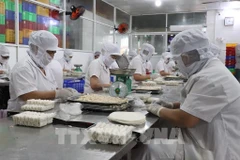
Muniandy added that for Vietnamese food producers, the key challenge in Malaysia is not quality but Halal certification. With around 65% of Malaysia’s consumer market focused on Halal products, certification is essential. Vietnamese products such as coffee, he said, have strong potential if they meet Halal standards.
Beyond goods trade, Muniandy highlighted technology cooperation as a new growth driver. Malaysia leads Southeast Asia in high technology, particularly AI-related automation and semiconductors, centred in Penang, while Vietnam is building similar potential, supported by policies such as introducing the English language into education. Cultural and skills similarities could facilitate technology transfer as well, he noted.
Looking ahead, both agreed that Vietnam’s trade fairs should become long-term gateways to cross-border trade corridors. With its role as a gateway to the global Halal market valued at about 2.5 trillion USD, Malaysia can serve as a launchpad for Vietnamese Halal goods to reach wider international markets./.

Spring Fair 2026: “Bach Hoa Bo Hanh” parade honours beauty of Vietnamese traditional attire
The image of young people wearing traditional Vietnamese costumes in the modern fair setting conveys the project’s key message: traditional culture does not only exist in museums or solemn ceremonial spaces, but can be loved, preserved and integrated into contemporary life by young people through community-based activities such as parades or everyday wear.