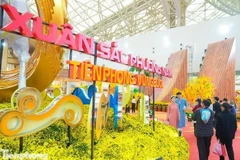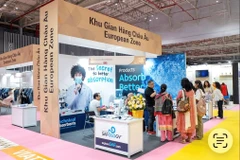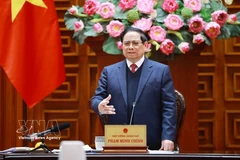
Hanoi (VNA) – The distinctive design culture and strong identity of Moroccan products could bring fresh highlights to the inaugural Glorious Spring Fair 2026, while broadening choices for Vietnamese consumers, according to Tran Le Dung, Head of the Vietnam Trade Office in Morocco.
Speaking to the Vietnam News Agency on the occasion of Vietnam’s Spring Fair, Dung said Morocco has accumulated extensive experience in hosting large-scale agricultural trade fairs and exhibitions. Flagship events include the annual International Agricultural Exhibition in Morocco (SIAM), alongside specialised shows covering food and beverages, textiles, handicrafts and logistics.
Organisers, she noted, are increasingly positioning fairs as comprehensive “promotion ecosystems” that extend beyond product showcases to include B2B matchmaking, certification advice, logistics support, national branding and even on-site contract signing.
She added that strong emphasis is placed on clearly defined themes aligned with national priorities and market demand, while exhibition layouts are organised along value chains, from raw materials and processing to packaging and distribution, enabling businesses to connect with suitable partners more effectively.
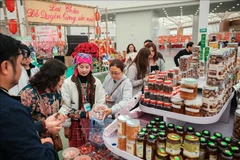
Dung said Moroccan companies have a diverse range of products well suited to the Spring Fair and similar events in Vietnam. These include agri-food products such as olive oil, processed olives, dried and packaged fruits, spices, almonds, dates, canned foods, honey and herbs, items that align with health-oriented consumption trends and gift demand. Textiles and fashion products, including materials, garments, leather goods and footwear, also hold strong potential.
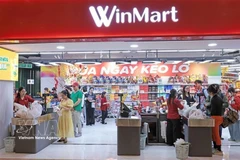
Vietnam’s modern retail network and rapidly expanding e-commerce sector provide favourable conditions for Moroccan firms to test the market. Nevertheless, challenges persist, including high logistics costs due to distance, requirements on quality standards, Vietnamese-language labelling and food safety, registration and certification procedures, and limited awareness among Vietnamese consumers of Moroccan products.
Conversely, several Vietnamese product categories have demonstrated strong potential and already gained a foothold in Morocco, Dung said. These include coffee, cashew nuts, pepper, star anise and cinnamon, electronic components, textiles, footwear and competitively priced consumer goods. Demand for Asian food, spices and convenient fast-food products is also rising among Moroccan consumers, particularly in major urban centres.
Vietnamese exporters benefit from solid production capacity, competitive pricing and the ability to fulfil large orders. Morocco, she added, serves as a gateway to North and West Africa, supported by a well-developed port and logistics system and a clear push among importers to diversify supply sources.
However, Vietnamese firms seeking to enter the Moroccan market must contend with higher transport costs, certification and quarantine requirements, especially for food products, language barriers on packaging in French or Arabic, and competition from established suppliers from the EU, Türkiye and China. For food items, halal certification and clearly stated quality standards on labels are essential. Dung underscored the need for long-term strategies, including working with reputable importers, preparing robust technical documentation, improving packaging and building brands.
She noted that fairs featuring a wide array of foreign products can generate healthy competitive pressure on Vietnamese goods. As consumers are exposed to more diverse offerings, expectations rise, prompting Vietnamese businesses to upgrade quality management and marketing.
Beyond trade, fairs also provide platforms for deeper cooperation, including distribution and agency partnerships, contract manufacturing, technology transfer in processing and packaging, process standardisation and even joint ventures. Enhancing the technological content of products, Dung said, goes beyond machinery to encompass supply chain management, quality standards, preservation technologies, digital traceability, e-commerce and market data analytics. The impact would be amplified if fairs are paired with thematic seminars on innovation, international standards or the green transition.
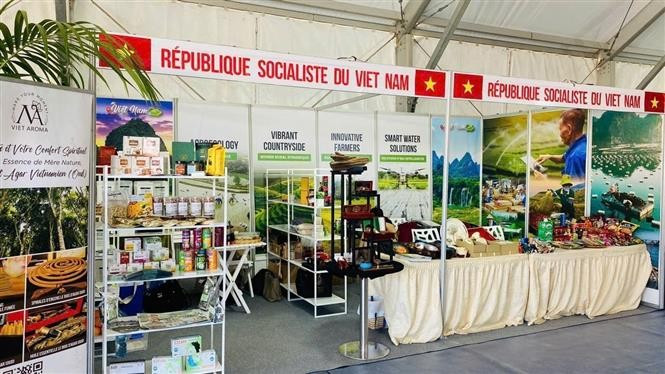
To further boost bilateral trade, the Vietnam Trade Office in Morocco plans to step up promotion of Vietnamese products this year through major Moroccan fairs such as SIAM in April and SIEMA FoodExpo in September, with a focus on agri-food and consumer goods. Efforts will also intensify around B2B promotion via online matchmaking, themed trade sessions, introductions to reputable importers and distributors, and direct support for Vietnamese firms engaging partners. Additional initiatives include linking industry associations and businesses, increasing delegation exchanges, and facilitating direct contacts and participation in fairs and exhibitions in both countries.
Morocco is currently among Vietnam’s top 10 export markets in Africa. In 2025, bilateral trade reached 380 million USD, up 25% year on year, signalling significant room for further growth./.