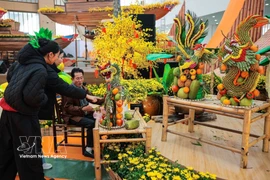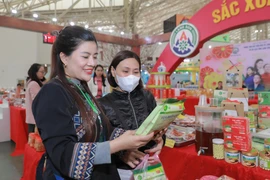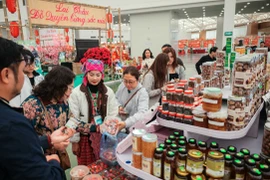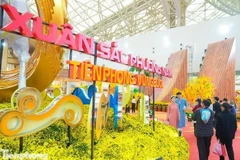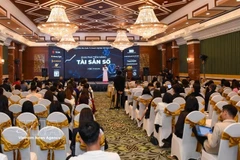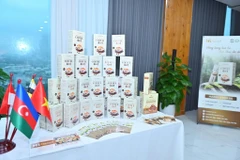
London (VNA) – Amid the global shift towards sustainable, green and digital trade, the Glorious Spring Fair 2026 is emerging as more than a commercial showcase, positioning itself as a strategic platform connecting policies, markets, businesses and capital flows to foster long-term development cooperation.
Experience from the United Kingdom shows that modern trade fair models place strategic orientation at the forefront.
In the UK, trade fairs and trade promotion events are organised in a professional and in-depth manner and closely linked to long-term market development strategies, according to Le Dinh Ba, Commercial Counselor and Vietnamese Trade Representative to the UK and Ireland.
A notable feature of these events is their clear thematic positioning, focusing on major trends such as sustainable consumption, innovation, healthy food and green technologies. This helps attract the right groups of enterprises and target buyers, he noted.
Ba stressed that trade fairs are not merely venues for showcasing or retailing products, but also meeting spaces for manufacturers, importers, distribution systems, standards organisations and investment funds.
According to the counsellor, many products that have succeeded in the UK market do not compete solely on price but on their stories of origin, social responsibility, environmental protection and cultural value, offering important lessons for how trade fairs in Vietnam should be organised.
Practical experience in the UK market also highlights the increasingly clear position of Vietnamese goods. From agricultural products, processed foods, textiles and garments, footwear to wooden furniture and handicrafts, Vietnam is no longer present merely as a supplier but is gradually moving up the value chain.
In the long term, sectors with strong potential for value chain expansion include deeply processed foods, healthy and organic products, goods associated with ESG (Environmental, Social and Governance) criteria, low-emission products and the circular economy, rather than the export of raw materials, Ba noted.
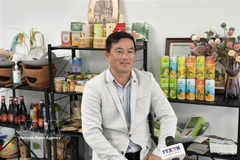
From a business perspective, however, the integration process still faces many challenges. According to Thai Tran, CEO of TT Meridian Co. Ltd, many Vietnamese products such as rice, agricultural produce, cashew nuts and textiles enter the UK market mainly under foreign distributors’ labels or through contract manufacturing.
Due to limited investment in international marketing and product storytelling, Vietnamese enterprises lose a significant share of added value. Beyond branding, logistics and compliance with standards in the UK market also remain major bottlenecks, he said.
The greater geographical distance compared to competitors from Eastern Europe or North Africa makes logistics costs from Vietnam to the UK higher, reducing price competitiveness. Vietnam also lacks its own shipping lines to better support export activities, Tran added.
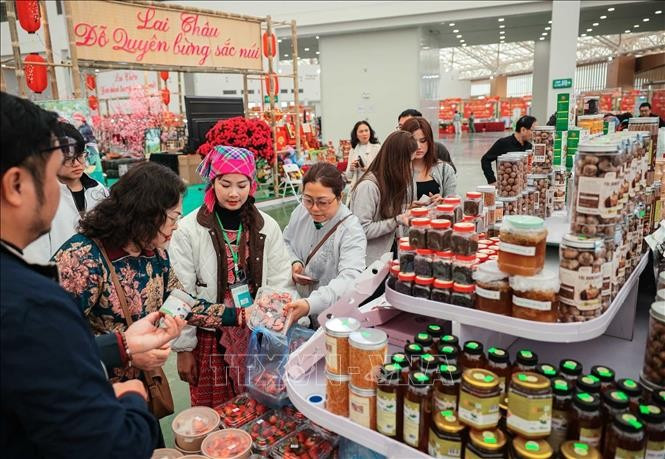
Against this backdrop, the Spring Fair 2026 is seen as a market-oriented testing ground where Vietnamese enterprises can gradually validate products, adjust market access strategies and affirm their competitiveness.
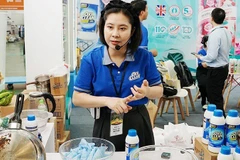
Sharing his experience at the fair, a representative of TT Meridian said he was impressed by the richness and diversity of Vietnamese brands, expressing confidence that the event could become a long-term trade promotion platform if it attracts more foreign distributors. Notably, the fair also opens up a new role for the overseas Vietnamese community.
According to Tran, overseas Vietnamese are not only consumers but also “brand ambassadors” and “strategic advisers”, capable of contributing from product design to connections with local distribution networks.
From a long-term perspective, Ba affirmed that the fair conveys the message of a proactive and dynamic Vietnam ready for deeper integration, with trade promotion and business support identified as key pillars in implementing the country’s economic diplomacy strategy./.