Hanoi (VNA) – Digital transformation, artificial intelligence (AI), product traceability and e-commerce are increasingly reshaping Vietnam's agricultural sector, helping farmers and businesses improve product quality, meet stricter market requirements and enhance competitiveness.
Following the Politburo's Resolution No. 57-NQ/TW on science and technology development, innovation and national digital transformation, ministries, localities and businesses have accelerated the application of advanced technologies throughout agricultural production and distribution.
At An Lac Farm, operated by Hanoi Xanh Cooperative in Hanoi's Lien Minh commune, flowers such as roses, jasmine and chrysanthemums are processed into essential oils, herbal teas and natural cosmetics instead of being sold solely as raw materials. Investments in drying, extraction and packaging technologies have extended product shelf life while enabling the cooperative to meet OCOP, organic, ISO and Halal standards, opening access to more demanding markets.
According to its director Ba Thi Nguyet Thu, the cooperative has reorganised its entire production chain - from seed selection and cultivation to processing and marketing - using science and technology to increase product value.
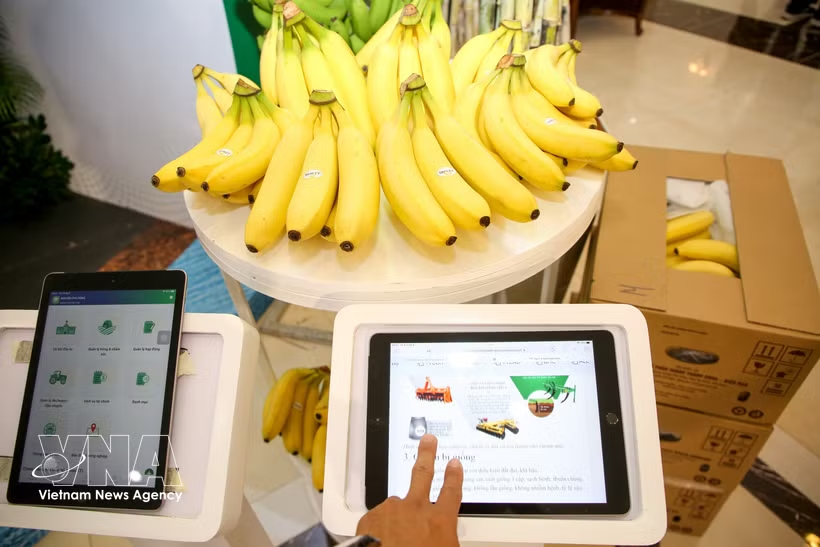
Many localities are also developing digital ecosystems around their signature agricultural products. Thai Nguyen province, Vietnam's largest tea-growing region, has launched Tea Trace Thai Nguyen platform, integrating QR-code traceability, IoT-based digital map of production areas, digital quality records and e-commerce services under the "Thai Nguyen Tea" brand. The province's tea industry generated more than 13.8 trillion VND (528 million USD) in 2025.
Meanwhile, Lai Chau province is promoting the development of Lai Chau ginseng through science, innovation and digital transformation. High-tech cultivation, traceability system and digital marketing are being expanded, with nearly 25 hectares under cultivation and nursery production, including areas certified under GACP-WHO standards.
Despite encouraging progress, experts said significant challenges remain. Many research results have yet to be commercialised effectively, while digital data covering cultivation, processing and distribution remain fragmented, making quality management, market forecasting and brand protection more difficult.
Dr Dang Van Cuong, Deputy Director of the OCOP Consulting and Development Centre, said digital transformation in agriculture goes beyond applying QR codes, requiring comprehensive systems for product traceability, quality management and market access.
The Ministry of Agriculture and Environment is drafting a comprehensive strategy to promote precision and circular agriculture alongside digital transformation. It is also strengthening cooperation with businesses in areas, including crop breeding, livestock, veterinary vaccines, digital technologies and smart farming to develop digital ecosystems that will improve the productivity, quality and competitiveness of Vietnamese agricultural products./.