Hanoi (VNA) - Identifying green and circular economy as the key solution for sustainable business growth, TH Group has invested in some of the world’s most advanced technologies since it launched its large-scale dairy farming and processing project.
From the outset, every operation at TH has adhered to a closed-loop model: “From green pastures to clean milk.” Over 15 years of development, this strategy has enabled TH to train a skilled team of Vietnamese professionals capable of mastering high-tech systems, making it a pioneer in implementing circular and green economy models in Vietnam.
Tackling pollution through advanced technology
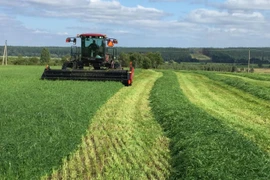
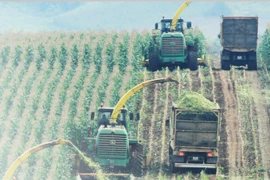
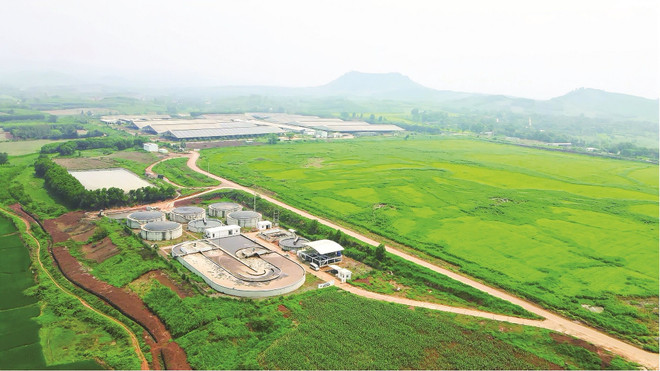
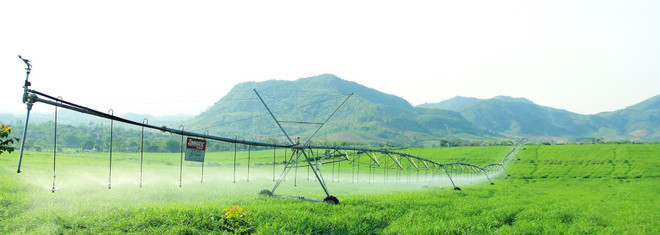
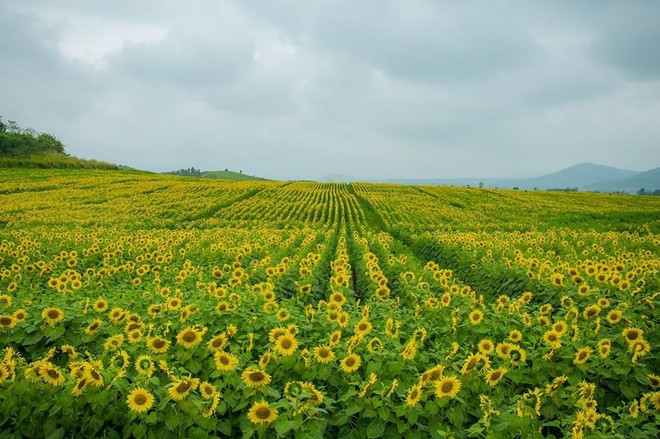
Inside TH’s dairy farm complex, cleanliness is a defining feature, showing evidence of the company’s integrated production process. From crop cultivation, animal husbandry, and farm management to power generation, wastewater treatment, and organic fertiliser production, a truly circular economy model is in motion in Nghe An province.
One of the core technologies underpinning TH’s environmental strategy includes four state-of-the-art wastewater treatment plants and a green fertiliser facility that turns waste, including wastewater, cow manure, leftover feed, and other organic matter, into valuable resources.
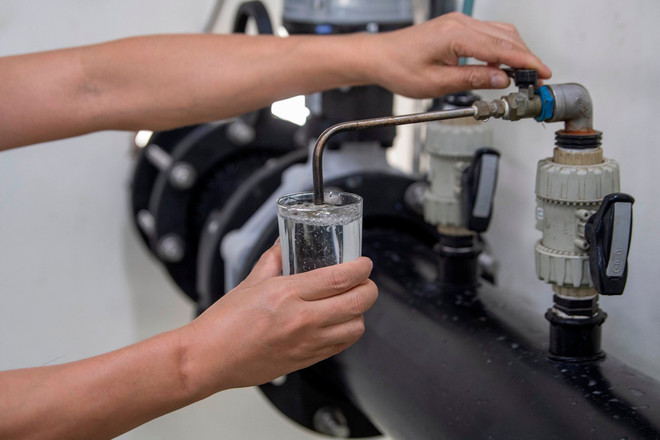
According to Pham Vinh Son, Maintenance Manager at TH Milk Food JSC, wastewater is the only form of discharge from the complex. However, thanks to cutting-edge treatment technology of the Netherlands, pollution is effectively “broken down.” The treated water meets Vietnam’s QCVN 62/BTNMT standard and is safely reused in agriculture.
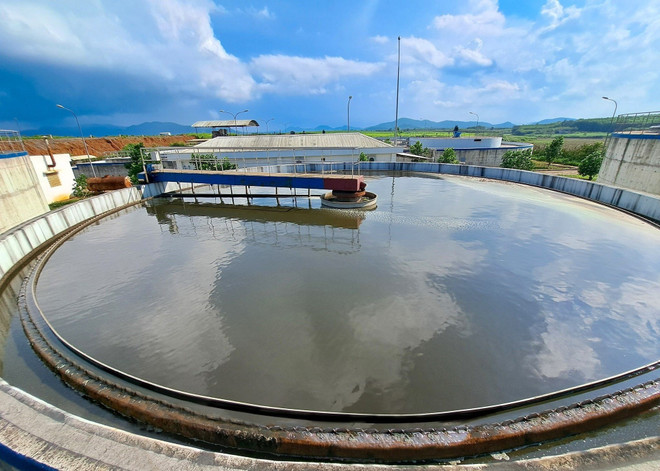
This proprietary system stirs and aerates wastewater using biomass-based aerobic treatment to generate clean biogas. The recovered gas powers machinery and generates electricity for farm operations.
The process involves channelling wastewater into aerobic tanks, where harmful substances, especially nitrogen, are biologically decomposed. Through continuous aeration, microorganisms convert pollutants into sludge, which can then be repurposed into organic fertiliser. The remaining water is clarified, treated, and safely returned to nature, conserving water resources in the process.

“This treated water is completely safe,” Son noted. “Even in Singapore, large wastewater reservoirs are treated over time by microbial ecosystems and later turned into potable water. At TH, the closed-loop system ensures virtually zero discharge into the environment.”
Turning waste into “green fertiliser”
In addition to water treatment, TH has successfully introduced world-class technology to transform cow waste, byproducts, and organic material into “green fertiliser” that enriches the soil.
Built in 2010, TH’s green fertiliser plant initially served its internal farming ecosystem. By late 2021, it was upgraded with an advanced technology of Germany to produce market-ready organic fertiliser.
Son said TH’s approach aligns with the 4F agricultural model - Farm, Food, Feed and Fertiliser. Currently, no other dairy or beef farm in Vietnam has achieved full-cycle organic fertiliser production at this scale.
TH’s green fertiliser products now reach markets across Vietnam. Powdered formulations with 20–30% nutrient content are being used on durian, avocado, and jackfruit crops in the Central Highlands, macadamia in northern Son La province, and carrot fields in northern Hai Duong province. These fertilisers both enrich the soil and reduce reliance on synthetic chemicals.
“Using chemical fertilisers may bring immediate gains, but over 10–20 years, they degrade the soil. Organic fertiliser, on the other hand, regenerates the land,” Son said. “By turning waste into a resource, TH strengthens its closed-loop chain and promotes sustainability from pasture to milk.”
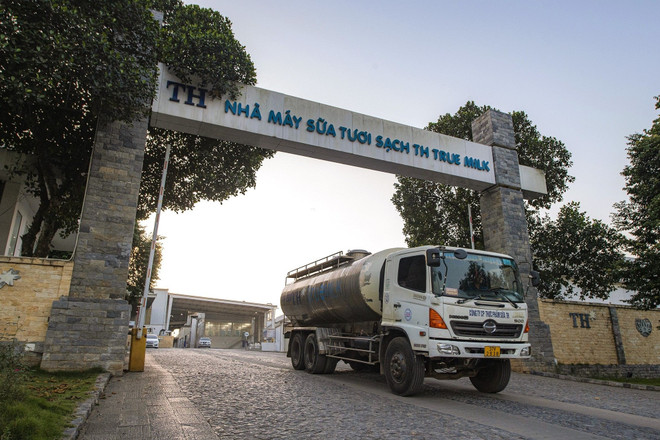
The initiative has also helped TH reduce costs and curb greenhouse gas emissions. Moving forward, TH plans to increase the output of pellet fertilisers, ideal for mountainous, sloped terrains in areas like the Central Highlands and Northwestern regions. These pellets resist being washed away by rain, making them practical for highland agriculture.
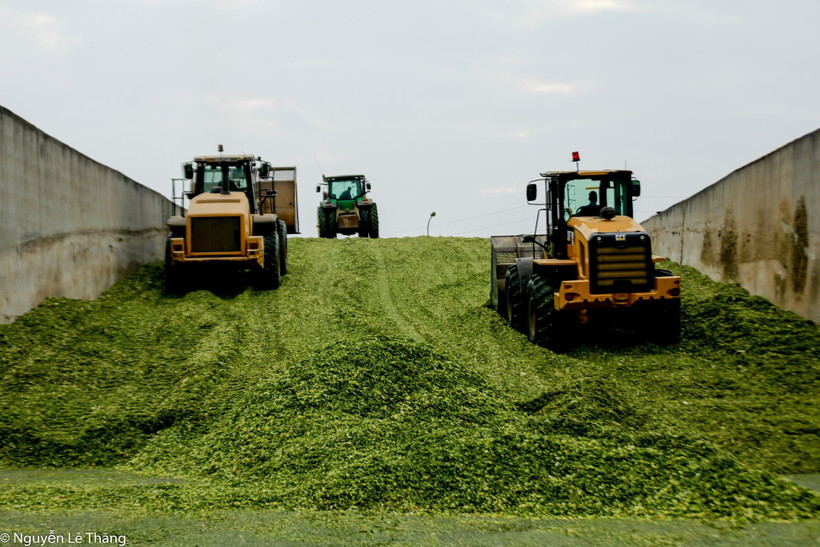
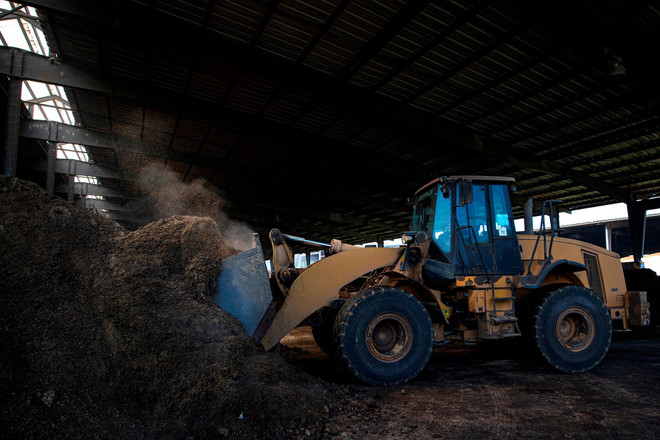
TH’s composting system processes around 1,000 tonnes of waste daily, sourced from over 60,000 dairy cows, leftover feed, sugarcane bagasse, and biological sludge from water treatment.
Composting involves mixing, fermenting, and aerating materials for 45–48 days, with each row being turned 12–15 times. During this aerobic process, heat generated by microbes evaporates moisture, causing the material to fluff. From 1,000 tonnes of raw waste, about 262 tonnes of finished fertiliser is produced, with a final moisture content of just 30%, meeting all regulatory standards.
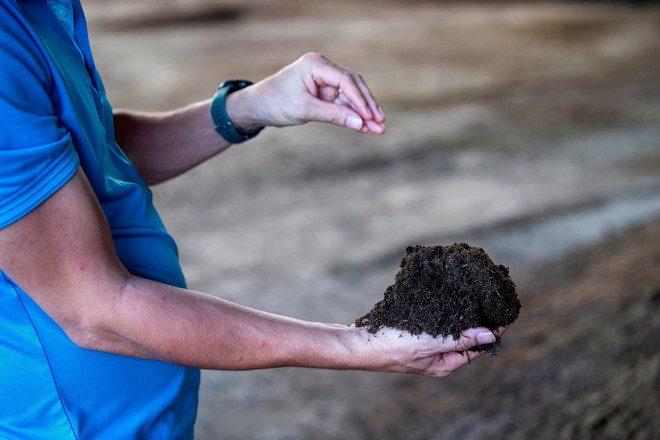
“Our green fertiliser meets all three criteria: it’s organic, biological, and microbial,” Son emphasised. “This is part of our sustainable ecosystem. After serving internal needs, surplus output is sold to help farmers nationwide reduce their dependence on chemical fertilisers.”
During a visit to TH facilities in Nghe An province in 2022, Minister of Science and Technology Huynh Thanh Dat affirmed the company’s strategic alignment with global trends. Their goal is to master top-tier technologies and pursue innovation as the right path to sustainable development./.
")

Exploring TH True Milk green factory: From green pasture to clean milk
Not only does TH True Milk provide clean, fresh milk from its world-record-setting farms, the group has also actively contributed to the development of sustainable agriculture in Vietnam for years.