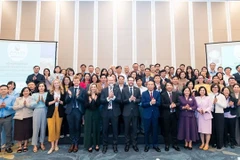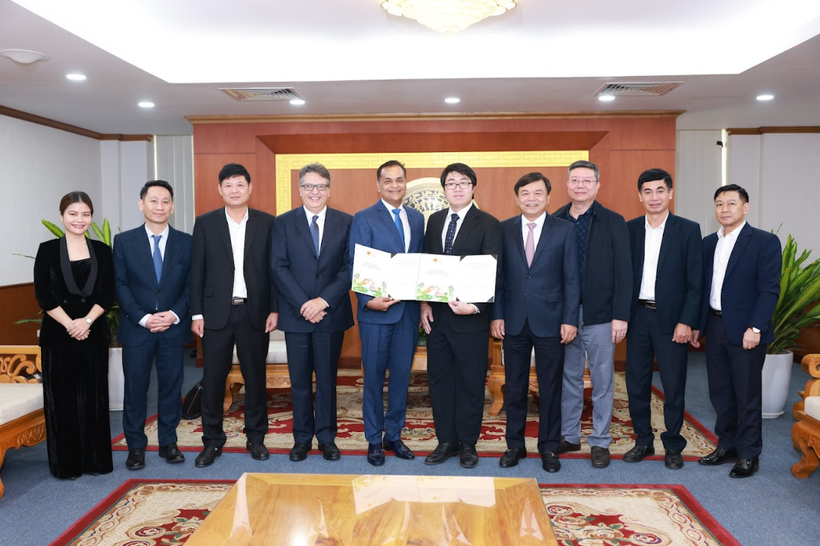
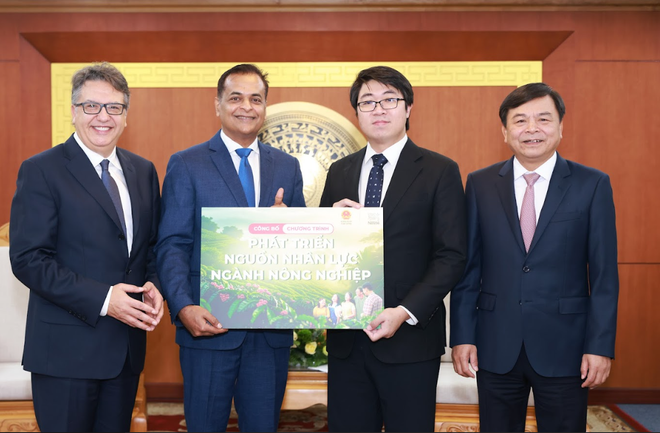
Hanoi (VNA) - Nestlé Vietnam and the Department of International Cooperation, Ministry of Agriculture and Environment (MAE) officially signed a Memorandum of Understanding (MoU) to support Vietnam in transitioning to a circular and low-emission economic model.
The cooperation focuses on promoting sustainable agriculture, reducing greenhouse gas emissions, contributing to accelerating the realization of the country's Net Zero emissions target.
On the occasion, CEO of Nestlé Zone Asia, Oceania and Africa (AOA) Remy Ejel talked to VietnamPlus reporter about Nestlé Group's strong belief in Vietnam's long-term potential.
Reduce environmental impacts
- As a leader of Nestlé and Zone AOA, how would you evaluate your business in Vietnam?
CEO Remy Ejel: We are very proud to be part of Vietnam’s growth journey. Our business is expanding rapidly, and we are witnessing a tangible increase in consumer demand. This gives us strong confidence to continue investing in the country, which remains a highly important market for us. It is a hub that is growing even stronger—an increasingly important center for exports.
When I speak about exports, I refer not only to finished products but also to the mobility of skilled local talent to contribute to our operations around the world. This reflects the role of Nestlé Vietnam within Zone AOA and within Nestlé globally, and we are proud to be part of that journey.
- Nestlé has committed to a net-zero emission target by 2050. So could you share with us the company journey and what has been done to achieve this goal?
CEO Remy Ejel: Vietnam is on the same journey as many other countries, and this has been clearly highlighted. We are very proud to be working closely together on this.
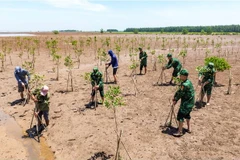
Agriculture is a vital sector and we recognize its environmental footprint. The good news is, innovative practices are enabling us to help farmers reduce those impacts. Globally, we have made a clear commitment to half emissions by 2030 and be net zero by 2050. It is an ambitious commitment, but I can share that each year we publicly report our progress, and we are currently ahead of plan.
This progress is driven by our research and development efforts, leveraging Nestlé’s extensive research and development capabilities. As you know, Nestlé operates one of the world’s largest food research and development centers, where environmental research is a key focus.
- Why does Nestlé choose agriculture to deliver sustainability?
CEO Remy Ejel: Nearly two-thirds of our overall emissions come from agriculture, so we’re investing in supporting more sustainable agricultural communities for the long term and thus, agricultural best practices are also central to this work. Science has shown that by adopting regenerative practices and effectively sharing them with farmers, we can achieve a stronger and more meaningful impact. This is the journey we are on, and we are proud to be ahead of the milestones that have been set.
Being part of the community
- Why has Nestlé chosen Vietnam to invest in the coffee industry?
CEO Remy Ejel: I would say there are several elements. The first is the geographical advantage linked to Vietnam’s location.
The second - equally important - is the vibrancy and skill of the labor market, from the workforce to the farmers. There is a clear drive and willingness to improve and adopt best practices, and this is one of the reasons Vietnam plays such a central role in Nestlé’s global coffee hub, covering both sourcing and processing. We often speak only about green beans, but processing is equally critical, and Vietnam is contributing significantly in both areas. Nestlé Vietnam has become integral to this system.
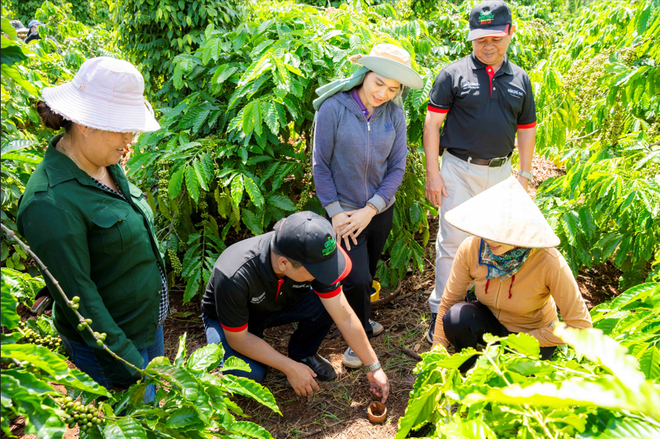
What is also essential to emphasize is that our Creating Shared Value model is rooted in being part of the communities where we operate. The NESCAFÉ Plan is a strong example. We work hand in hand with the government, universities, and farming communities to help farmers increase yields and generate more positive environmental outcomes. These collective efforts allow us to move forward.
This is why Vietnam stands at the heart of the NESCAFÉ Plan, not only in terms of coffee procurement but also in processing activities.
- Why have you chosen Vietnam as a key manufacturing hub to produce and export products to other markets?
CEO Remy Ejel: We invest in a country based on several factors: the availability and dynamism of the workforce, the skill and drive of our colleagues, the stability of the environment—which is extremely important—and the decisions being made for the future. When you look at our deep roots in the country, relationships with stakeholders and the level of collaboration we have, it actually encourages us to invest even more in Vietnam. Over the past decades, we have invested more than USD $900 million in the country.
To take coffee as an example, we purchase nearly USD $700 million worth of coffee in Vietnam each year. The main reason is that from a consumer perspective, a production perspective, and a government perspective, Vietnam offers a highly supportive ecosystem. It allows us to make a difference and to be part of the country’s growth journey.
- Would the global political and economic uncertainty affect Nestlé's plan to expand its production in the country?
CEO Remy Ejel: Nestlé is a company that is nearly 160 years old, and naturally we have experienced volatility and geopolitical pressures over time. But strategically, Nestlé always operates with a long-term perspective.
Because of the vibrancy of the market and the support we receive, these factors do not alter our ambitions in the long term —whether over 160 years or today. This is our approach: a strong long-term outlook, investing in the present, and equally important, investing in the future.
What I also want to highlight is our close collaboration with farmers. When we speak about farmers, being part of the community, and ensuring that our factories remain efficient and competitive, these are commitments that, despite any volatility, continue to position Vietnam extremely well.
- Thanks for your time./.
With more than three decades of operations in Vietnam, Nestlé has not only established itself as a leading food company but also as a committed partner in building a more sustainable and inclusive future. Guided by its purpose of unlocking the power of food to enhance quality of life for everyone, today and for generations to come and by the philosophy of Creating Shared Value, Nestlé promotes balanced nutrition and lifestyles, regenerative agriculture, and a waste-free future. These efforts reflect Nestlé’s long-term contribution and support to Vietnam’s national nutrition goals and the country’s transition toward a green, low-carbon economy.
Each year, Nestlé Vietnam channels an average of approximately USD700 million into the local economy through the procurement of Vietnamese green coffee, helping to improve the quality and livelihoods of coffee farmers and farming communities.
Through the NESCAFÉ Plan, the company has elevated the global value of Vietnamese coffee while promoting sustainable farming practices, climate resilience, and improved farmer livelihoods. By end of 2024, the program has empowered over 21,000 farming households, distributed 86 million high-quality plantlets, rejuvenated 86,000 hectares of aging coffee farms, and boosted farmer incomes by 30–150%.
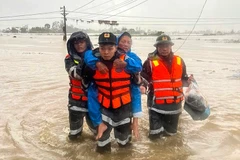
In the same spirit of sharing and partnership, as Vietnam recently endured the severe impacts of storms No. 10, 11, and 13, and in response to the call from the Vietnam Fatherland Front, Nestlé Vietnam contributed support through cash donations to the Fatherland Front along with food and nutrition products delivered to affected localities.