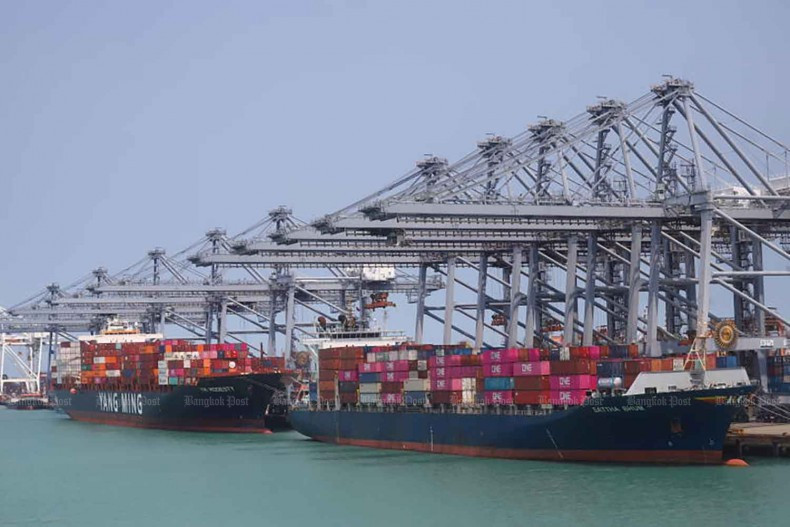
Bangkok (VNA) – Thailand’s Ministry of Commerce has said it will work closely with financial institutions to help Thai exporters weather the impact of the new tariffs imposed on Thai goods bound for the US.
The commitment was made after the US announced that Thai goods bound for the US will be subject to a 19% tax, starting on August 7.
The rate, markedly lower than the 36% initially announced by the US, was announced after the government agreed to eliminate import duties on over 10,000 items imported from the US.
Sunanta Kangvalkulkij, director-general of the Department of International Trade Promotion (DITP) under the Ministry of Commerce, said staff have been instructed to come up with measures to assist affected businesses.
They include extending soft loans to help affected businesses, identifying new markets for Thai goods, boosting efforts to prevent transshipment and curbing the sale of substandard goods.
The ministry is also slated to sign a memorandum of understanding (MoU) to bolster cooperation with the private sector and financial institutions in about two weeks.
The DITP chief said the department will use the 50 million THB (about 1.5 million USD) it received under government's 115-billion-THB economic stimulus package to assist in its efforts.
Staff are gathering information from affected businesses to determine what additional measures are required.
Commenting on the National Shippers' Council's projection that Thailand's export sector will grow by 5–7% this year, Sunanta said that the estimate is possible while the ministry's projects exports will grow by 2–3% this year.
She added that US importers of Thai goods have so far found the new tariff acceptable and comparable to those imposed on other countries in the region. Additionally, trade with new markets is showing promising signs, and the private sector is adjusting to the new rate./.
VNA