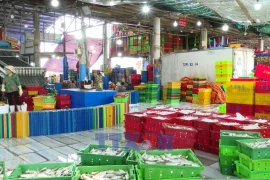
Hanoi (VNA) - Transport is not only the lifeblood of the national economy but also a catalyst for production, consumption, investment, and import-export activities. Recognising this, the Ministry of Construction has announced plans to study and propose measures to strengthen connectivity and integration between different modes of transport. Such efforts are expected to serve as a lever for supply chain recovery and domestic consumption, thereby sustaining economic growth in the months ahead.
Double-digit growth
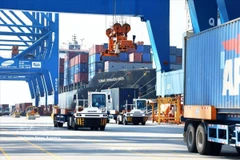
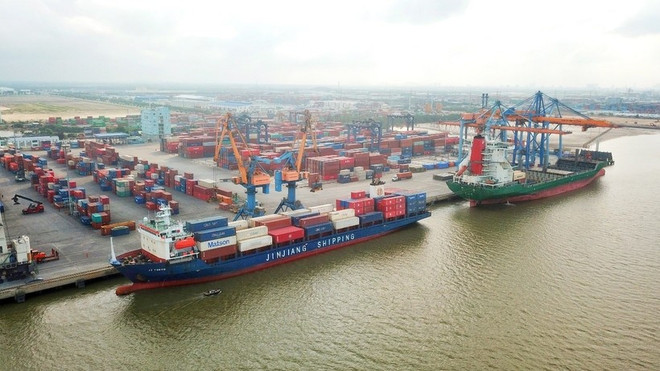
At the mid-year conference on July 7 to review performance in the first six months of 2025, the Transport and Traffic Safety Department reported impressive results. Freight volume reached 1.196 billion tonnes, representing a 14.6% increase year on year, while passenger numbers climbed to 2.255 billion trips, up 16.1%. Meanwhile, cargo throughput at seaports rose by 15% to 573.5 million tonnes.
According to Hoang Anh Tuan, Director of the Department, the sector’s positive performance is partly due to flexible management of service prices. International container shipping rates, seaport service fees, and domestic airfares were kept under reasonable control, which not only helped to curb inflation but also reduced logistics costs, enhanced competitiveness, and directly supported economic growth.
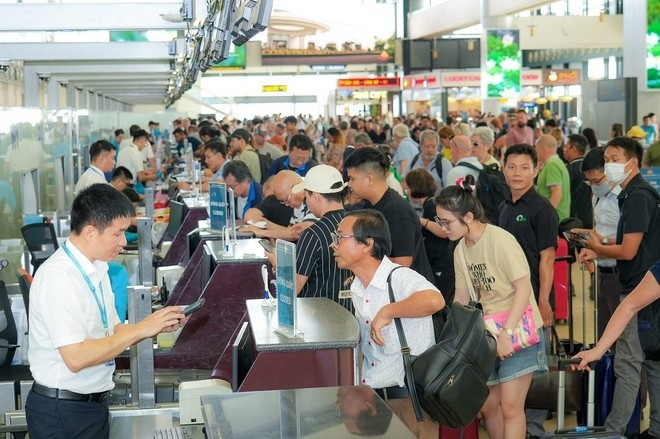
Beyond sheer volume, policy and institutional reforms also played a role. Efforts to streamline administrative procedures, advance digital transformation, and clarify decentralisation have improved efficiency.
In particular, digitalisation in transport management has gained momentum. The sector has implemented many initiatives, including projects to simplify or replace cumbersome procedures, online driver training programmes, and the establishment of a digital transport infrastructure. Core elements being developed include digital route maps, operational data systems, electronic licensing, and vehicle identification platforms. The ultimate objective is for 100% of public transport services to reach Level 4 digitalisation, providing fully online and integrated services to citizens and businesses.
Meanwhile, nationwide inspections and upgrades of traffic signals and road signs have been carried out in a coordinated manner across provinces. These measures have significantly improved safety and won public approval, reflecting the government’s commitment to building a safer, more efficient transport network.
Adjusting price frameworks to reflect reality
Looking ahead to the second half of 2025, the Department has set out a series of priorities. These include completing legal frameworks on transport and traffic safety with a focus on innovation and digitalisation; further reforming administrative procedures; and promoting multimodal connections. A strategic emphasis will be placed on shifting cargo transport from road to waterways and rail, which are more cost-effective and environmentally sustainable.
The Department is also working on the creation of a large-scale national transport database, linking vehicle identification with the national database system, and integrating digital maps of routes, load capacities, and permits. Enhanced data sharing between government agencies and businesses is expected to improve transparency and support smarter decision-making.

At the same time, authorities will review and propose adjustments to maximum tariff frameworks for maritime, inland waterway, railway, and aviation services to ensure they are in line with market realities. Greater monitoring of price declarations and compliance with listing requirements will help stabilise costs, prevent distortions, and safeguard consumer interests.
Another important direction is optimising transport routes, particularly for container flows, to strengthen two-way connections and attract more transit cargo through Vietnam. This is closely tied to broader efforts to restructure the national transport network. Adjustments will be made to ensure better links between transport modes and with major infrastructure such as ring roads, expressways, inland container depots (ICDs), railways, and regional logistics hubs. These changes will also align with the development of new economic and administrative centres that emerge as provinces undergo consolidation and restructuring.
By placing transport at the heart of policy planning, Vietnam aims to maintain its momentum of growth while laying the groundwork for a more resilient, efficient, and competitive logistics system - one that not only supports domestic recovery but also strengthens the country’s position in the global supply chain./.