Hanoi (VNA) – Over the next five years, Vietnam aims to deepen international integration and adopt advanced global tax governance standards, including enhancing international cooperation in taxation to address cross-border tax issues and combat transfer pricing.
Under the strategic roadmap for the 2026–2030 period outlined in the White Book on Vietnam Taxation 2026, recently released by the Ministry of Finance, the Taxation Department aims to become a smart tax authority built on high-level automation and modern technology.
Four key priorities have been identified: improving tax institutions and policies; accelerating digital transformation and administrative procedure reform; placing taxpayers at the centre of public service delivery; and enhancing the quality and efficiency of tax administration.
The White Book also states that the tax sector will continue institutional reform and further improve the tax legal framework in a synchronised and unified manner, ensuring predictability and stability. The ultimate goal is to create a favourable investment and business environment, promote innovation, and secure sustainable revenue sources for the country.
The publication reaffirms the tax sector’s commitment to reducing compliance burdens for individuals and businesses, while promoting voluntary tax compliance through convenient digital services. Accordingly, the electronic tax ecosystem, the e-commerce information portal, and centralised data management platforms will continue to receive investment and upgrades.
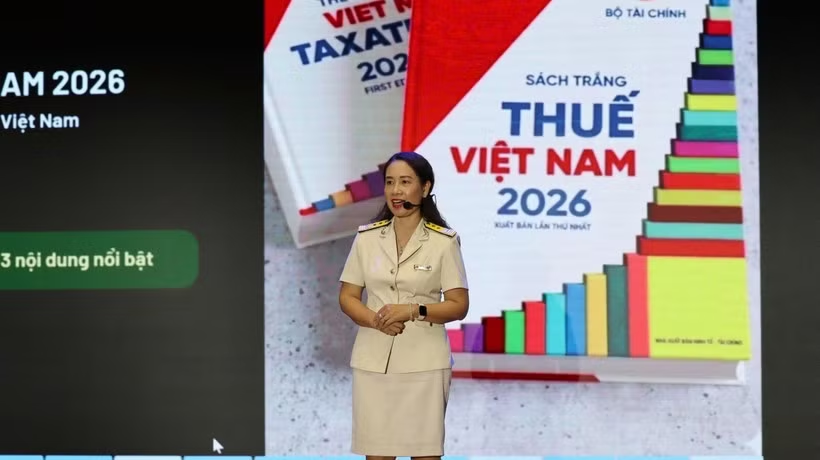
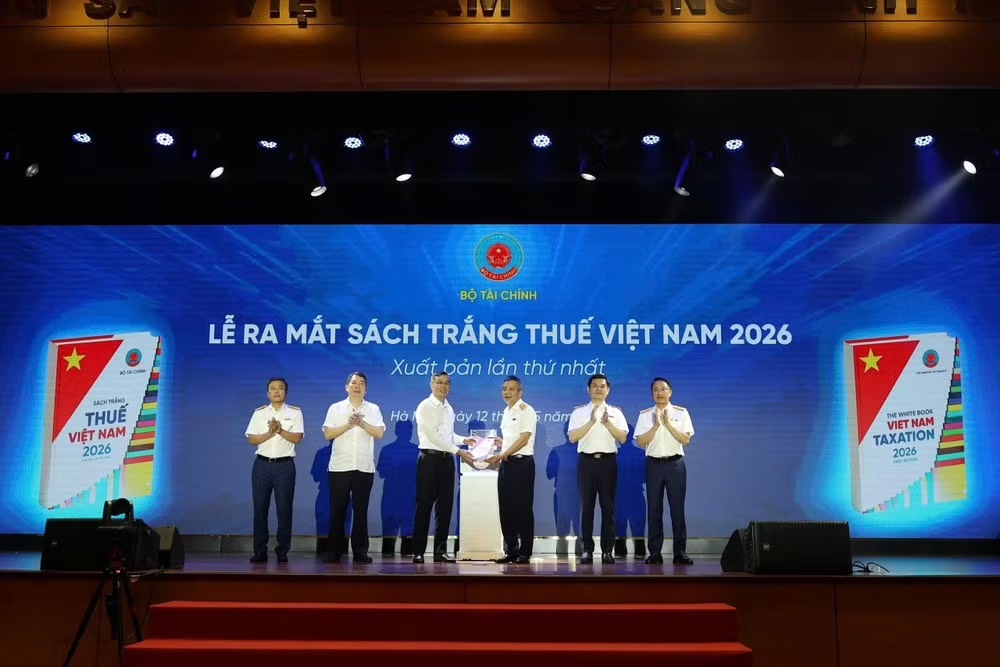
The White Book is the first publication of its kind to provide a comprehensive overview of the tax system, budget revenue management, and sector orientations for the years ahead. It reflects the sector’s efforts to modernise governance, enhance transparency, and improve consistency in public information. At the same time, it serves as an official communication channel for tax policies, helping reinforce public confidence and promote closer cooperation among taxpayers, businesses, and authorities.
According to the Taxation Department, the White Book focuses on three key areas, providing a comprehensive overview of Vietnam’s current tax system in line with international practices, including direct taxes, indirect taxes, and sector-specific levies. It underscores the role of taxation not only as a sustainable source of state budget revenue but also as a macroeconomic regulatory tool that promotes social equity and supports vulnerable groups.
According to the Taxation Department, the White Book focuses on three key areas, providing a comprehensive overview of Vietnam’s current tax system in line with international practices, including direct taxes, indirect taxes, and sector-specific levies. It underscores the role of taxation not only as a sustainable source of state budget revenue but also as a macroeconomic regulatory tool that promotes social equity and supports vulnerable groups.
By systematising tax policies and functions, the publication helps make Vietnam’s fiscal policy framework more transparent and improves access to information, thereby supporting the country’s international integration process.
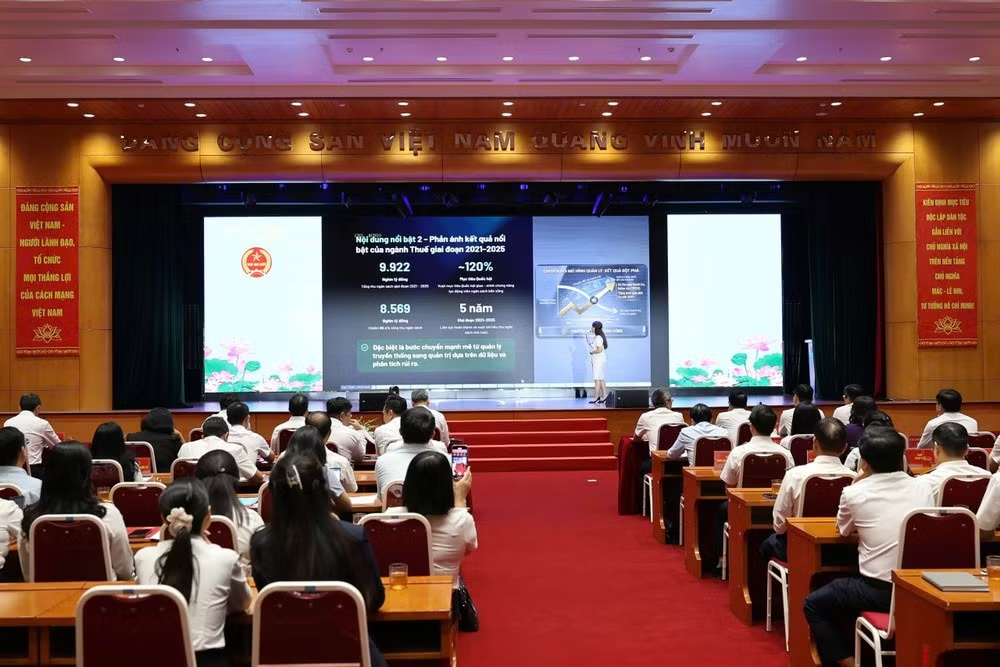
One of the highlights is the modernisation of State budget tax collection during the 2021–2025 period. According to the figures released, total revenue was approximately 9.922 quadrillion VND (376.7 billion USD), around 120% of the target assigned by the National Assembly. Of this amount, revenue managed by tax authorities stood at about 8.569 quadrillion VND, accounting for 86.4% of total State budget revenue.
The White Book also reflects the tax sector’s transition from traditional management methods to a data and risk-based governance model. Digital technologies are applied in taxpayer management, inspections, audits, and transaction monitoring. Although the number of inspections and audits declined, enforcement improved significantly, with revenue collected in 2025 doubling that of 2021./.