Vietnam, World Bank step up cooperation on water, agriculture, environment

In agriculture and environment, WB-funded projects have made practical contributions to irrigation systems, water resource management and rural water supply, particularly in the Mekong Delta. These efforts have helped ensure water security, dam safety and sustainable development.

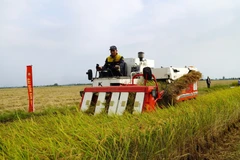
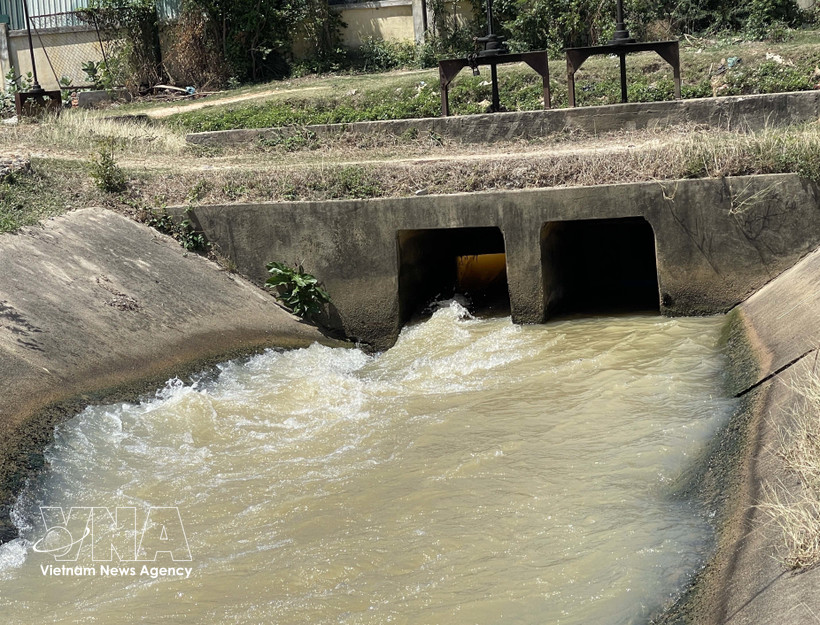
Thanks to ODA and concessional loans, many irrigation projects have boosted agricultural production in Khanh Hoa province. (Photo: VNA)

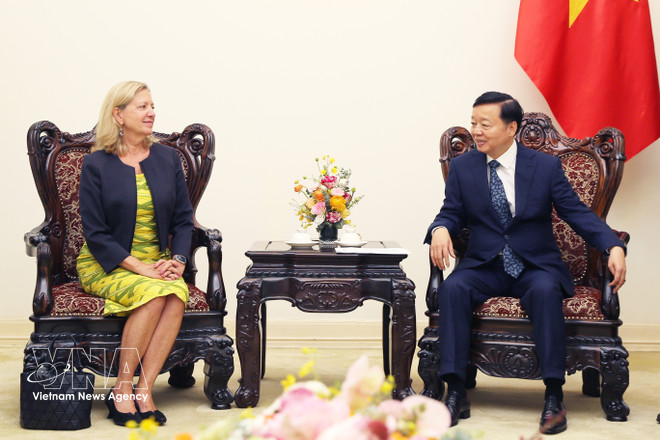
Hanoi (VNA) – Deputy Prime Minister Tran Hong Ha on March 27 held a working session with Mariam J. Sherman, the World Bank's Division Director for Vietnam, Cambodia and Laos, discussing measures to step up cooperation initiatives in water resources, agriculture and environmental management.

Ha highlighted the World Bank (WB) as a leading development partner that has provided effective support to Vietnam in many areas including infrastructure, institutional building, human resource development and sustainable growth.

In agriculture and environment, WB-funded projects have made practical contributions to irrigation systems, water resource management and rural water supply, particularly in the Mekong Delta. These efforts have helped ensure water security, dam safety and sustainable development.

Official development assistance (ODA), concessional loans and technical support from the WB have also played an important role in strengthening water and food security, improving livelihoods and enhancing climate resilience, the official said.

Ha affirmed Vietnam's strong support for WB initiatives, such as “Water for the Future” and the “Country Water Compact”, noting that they align well with Vietnam’s development needs.

He stressed that Vietnam gives due attention to transboundary water security, especially in the Mekong River and the Red River basins, saying effective management of these two key river systems could contribute to ensuring 40–50% of the country’s sustainable water use.

The Deputy PM called on the WB to enhance both technical and financial support for integrated river basin management and water control solutions, which are crucial for socio-economic planning and long-term national security.

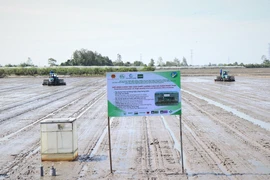
Regarding the project to develop one million hectares of low-emission rice in the Mekong Delta, he said the Vietnamese Government has assigned the Ministry of Agriculture and Environment to take the lead in coordinating implementation, with funding from the WB and the central budget.
vnanet-wb-2.jpg
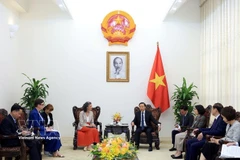
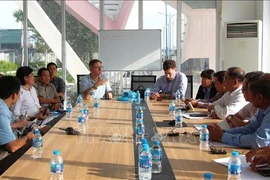
Deputy Prime Minister Tran Hong Ha on March 27 holds a working session with Mariam J. Sherman, the World Bank's Division Director for Vietnam, Cambodia and Laos. (Photo: VNA)

For her part, Sherman welcomed Vietnam’s strong commitment to the WB’s cooperation initiatives, noting that participation in global programmes not only enhances the country’s international profile but also enables it to leverage the bank's resources and expertise.

She said the WB is ready to provide a comprehensive support package, including technical expertise, financing, and international experience, to help Vietnam effectively implement initiatives in water security, agriculture and environment. The bank is also promoting greater mobilisation of private sector resources to support development goals.

Discussing future cooperation, Deputy PM Ha underscored the growing role of the private sector in accessing development resources. He noted that when private enterprises participate in major projects, particularly in the water sector, mechanisms must ensure conditions comparable to those for State-owned enterprises. At the same time, commercially oriented projects require different approaches from public infrastructure investments.

The Government is working to improve mechanisms related to credit access, loans and associated conditions, and has called on the WB to review and adjust policies that remain inconsistent with practical realities.

In water resource management, he said, Vietnam is ready to contribute practical experience to global initiatives but still needs support from international organisations and experts. A key priority is enhancing climate-adaptive planning capacity, shifting from a reactive disaster prevention mindset to multi-purpose, adaptive water management.

Citing the planning of Hanoi, Ha stressed the need for an integrated approach starting from the Red River Basin, which would serve as a foundation for urban planning and long-term development.

However, he acknowledged that Vietnam still lacks capacity in this area and needs technical assistance from the WB to develop appropriate financing plans.

He also pointed to the urgent need to improve coordinated management of multi-reservoir systems, including hydropower and irrigation reservoirs, with technical support from the WB.

The Deputy PM emphasised the importance of close coordination among relevant agencies, including the Ministry of Finance and the Ministry of Agriculture and Environment, in defining criteria for priority projects and clarifying areas requiring WB support, thereby ensuring consistency in implementation./.
VNA

See more

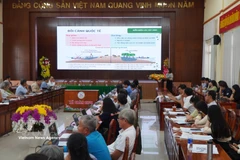
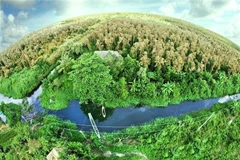
Tram Chim National Park and the Mekong Conservancy Foundation (MCF) organise the workshop on sustainable restoration of wetland ecosystems in the Mekong Delta on March 24. (Photo: VNA)

Solutions sought to restore Mekong Delta wetland ecosystems

Experts at the workshop described wetlands as the “ecological heart” of the Mekong Delta, playing a vital role in water storage and regulation, climate moderation, carbon sequestration, biodiversity conservation, and livelihoods for millions of people through aquaculture, agriculture, and ecotourism. These ecosystems also help reduce disaster risks and enhance climate resilience.

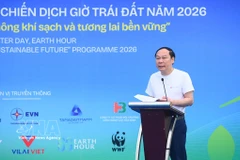
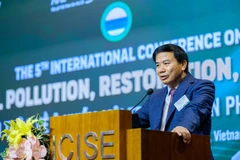
Deputy Minister of Agriculture and Environment Le Cong Thanh speaks at the ceremony to launch major environmental campaign. (Photo: VNA)

Vietnam calls for collective action on water, air, climate and sustainable future

Deputy Minister of Agriculture and Environment Le Cong Thanh underscored that water, climate, and energy are fundamental pillars of sustainable development. In Vietnam, water resources and weather patterns influence every aspect of life, from food and water security to livelihoods, ecosystem stability, and economic growth.

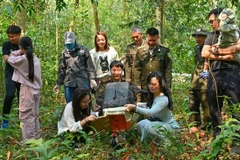
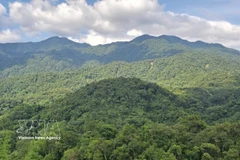
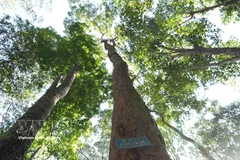
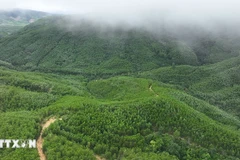
The population of trac (Dalbergia cochinchinensis) trees is strictly protected in the Dak Uy special-use forest. (Photo: VNA)

Vietnam highlights forests’ role in sustainable growth on International Day of Forests

According to Director of the Forestry and Forest Protection Department Tran Quang Bao, forests hold a strategic position in Vietnam’s development. They provide livelihoods for millions of people, particularly ethnic minorities and communities living in mountainous and forested areas, while contributing to environmental protection and disaster prevention.

The World Meteorological Day 2026 carries the theme “Observing Today, Protecting Tomorrow”. (Photo: VNA)

Ministry guides response to World Meteorological Day, World Water Day 2026

The Ministry of Agriculture and Environment urged ministries, agencies, local authorities, embassies, and international organisations to hold practical and effective activities aligned with the themes. Suggested activities include displaying eco-friendly banners, posters, and billboards in public spaces, streets, government offices, and other suitable venues to raise public awareness of the events’ importance.

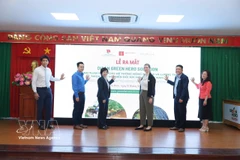
Delegates launch the Green Hero Solution project in Ho Chi Minh City on March 12, 2026. (Photo: VNA)

Vietnam, Denmark cooperate to pilot circular food model

Under the “Green Hero Solution” project, organic food waste will be collected from partner organisations and businesses and processed into compost. The compost will then be used at two Food Bank community gardens, where fresh vegetables will be grown to support disadvantaged households.

Deputy Prime Minister Tran Hong Ha meets with UNDP Resident Representative Ramla Khalidi and WHO Representative in Vietnam Angela Pratt in Hanoi on March 11. (Photo: VNA)

Vietnam steps up partnership with UNDP, WHO in tackling air pollution

Highlighting Vietnam’s close partnership with the two UN agencies, Deputy PM Ha highly appreciated their important contributions to the country’s development over the years, particularly in policy consultation, institutional reform and promoting sustainable development initiatives.

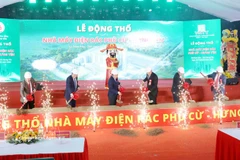
The groundbreaking ceremony for the Phu Cu waste-to-energy plant project in Doan Dao commune, Hung Yen province, on March 6 (Photo: VNA)

Hung Yen breaks ground on 4 trillion VND waste-to-energy plant

With a population of about 3.5 million, Hung Yen generates around 1,850 – 2,000 tonnes of household waste each day, along with about 1,000 tonnes of waste from production and business establishments, posing a major challenge for the locality.