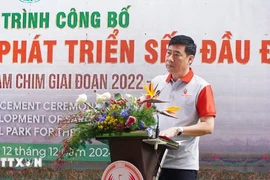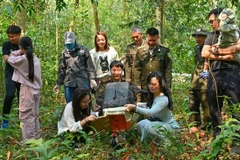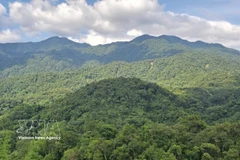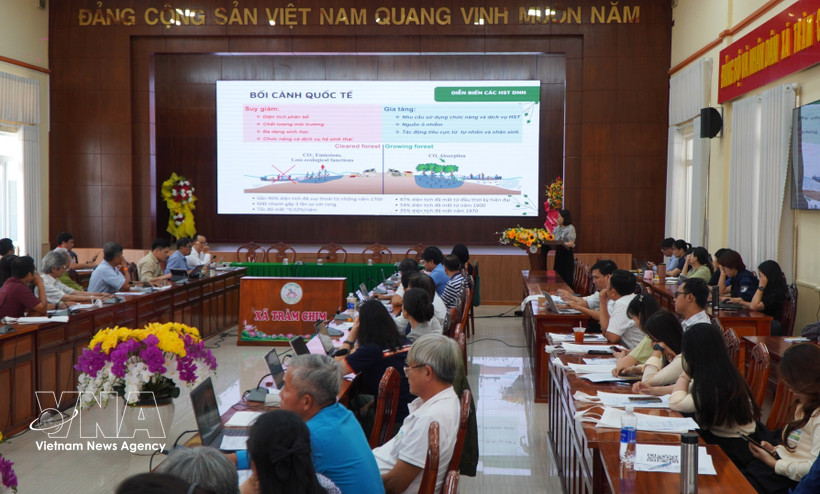
Dong Thap (VNA) – A workshop on sustainable restoration of wetland ecosystems in the Mekong Delta was held on March 24 in Tram Chim commune, Dong Thap province, bringing together experts, scientists, and conservation stakeholders to discuss solutions amid growing environmental challenges.
The event was co-organised by Tram Chim National Park and the Mekong Conservancy Foundation (MCF), with support from the United Nations Development Programme (UNDP) in Vietnam. It attracted participants from research institutes, universities, national parks, nature reserves, and non-governmental organisations.
Experts at the workshop described wetlands as the “ecological heart” of the Mekong Delta, playing a vital role in water storage and regulation, climate moderation, carbon sequestration, biodiversity conservation, and livelihoods for millions of people through aquaculture, agriculture, and ecotourism. These ecosystems also help reduce disaster risks and enhance climate resilience.
However, they warned that wetlands in the region are facing increasing pressures, including overexploitation of aquatic resources, intensive aquaculture, urban and industrial expansion, waterway transport, pollution, and environmental incidents.
According to the Department of Nature Conservation and Biodiversity, Vietnam has around 250 important wetlands, including 41 in the Mekong Delta.
Dr Tran Triet from the University of Science, part of Vietnam National University-Ho Chi Minh City, pointed out serious threats like plastic waste, harmful resource exploitation, and overuse of agricultural chemicals. These issues not only harm ecosystems but also put livelihoods, water security, and the region’s sustainable development at risk.
Participants agreed that wetland restoration is no longer optional but an urgent task. Proposed solutions included expanding the representativeness of wetland protected areas, promoting science-based “transboundary conservation” approaches beyond existing reserves, and applying regenerative agriculture practices.
Bui Thanh Phong, Deputy Director of Tram Chim National Park, said restoration efforts have delivered tangible benefits but require coordinated action across sectors and stakeholders. He stressed that economic development must go hand in hand with environmental protection, without sacrificing ecosystems for growth.
Officials at the workshop called for improving legal frameworks on wetland conservation, expanding protected natural wetland areas, and strengthening conservation measures outside protected zones. Raising awareness and capacity among authorities and communities, along with tighter control of harmful activities, will also be essential.
Experts emphasised the need to promote circular, low-carbon, and environmentally friendly economic models in Ramsar sites and key wetlands, contributing to sustainable development across the Mekong Delta./.