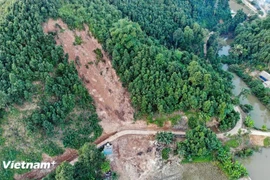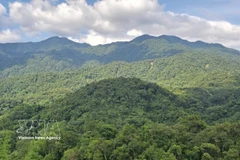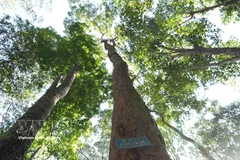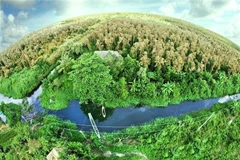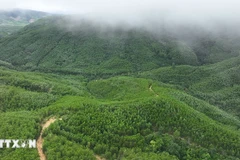
Da Nang (VNS/VNA) - Vietnam’s forests are among the most biodiverse in the world, yet their rich wildlife has long been under threat from habitat loss, degradation and unsustainable hunting through snaring.
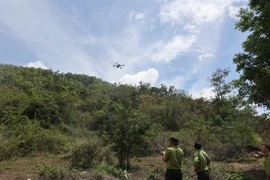
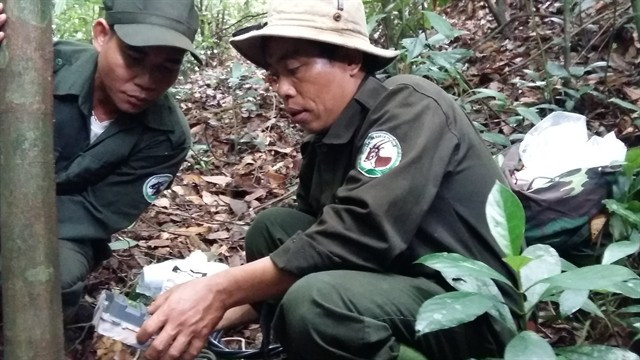
WWF-Vietnam conducted a survey of the country’s forest ecosystems and trends in its wildlife populations over four years through systematic camera-trapping surveys across 21 Special-Use Forests (SUFs) and Protection Forests (PFs), capturing data from more than 350,000 camera-trap days.
The findings of this landmark survey were presented at the Applied Conservation Technology Congress, and the results of Vietnam’s largest and most comprehensive systematic camera trap survey bring both hope and urgency for the country’s biodiversity, WWF said.
The survey, conducted across 21 sites nationwide, reveals that in 16 of them, the richness of mammal and ground-dwelling bird species is increasing, a promising sign of ecosystem recovery. However, persistent threats, particularly snaring, continue to threaten these fragile gains, underscoring the urgent need to strengthen and scale up collective conservation efforts.
According to WWF, there are approximately 120,000 independent wildlife records, including nine Annamite endemics and 22 non-endemic but highly threatened species.
The 21 sites surveyed show globally significant biodiversity but are also highly depleted. No medium or large carnivores and herbivores were recorded due to intensive snaring and habitat loss over the last decades.
Strengthening enforcement and reducing snaring associated with rewilding programmes are needed to restore key species and increase wildlife populations to healthy levels that are necessary to maintain and restore Vietnam’s forest ecosystems.
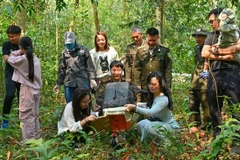
Led by WWF-Vietnam and WWF-US under the USAID Biodiversity Conservation project, in collaboration with local forest management boards and the Leibniz Institute for Zoo and Wildlife Research, the survey provides valuable insights into changes in mammal and ground-dwelling bird populations, as well as the effectiveness of ongoing conservation efforts aimed at reducing threats to biodiversity.
The survey documented at least 49 mammal species and 11 galliform bird species, including nine Annamite endemics and 22 globally threatened species. Among the most remarkable findings were confirmed records of the large-antlered muntjac, sun bear and large-spotted civet – some of the few sightings of these species in Vietnam over the past two decades. Encouragingly, pangolin occupancy increased in many sites, particularly in Cát Tiên National Park. Overall, species richness increased significantly at 16 sites, with no site showing a decline.
However, the absence of medium to large carnivores (such as tigers, leopards, clouded leopards, Asiatic golden cats, and dholes) and herbivores (such as the Saola) highlights the long-lasting impact of historical snaring. Most recorded species were resilient to high levels of hunting pressure. Data also indicate that many species had higher occupancies in remote and difficult-to-access areas.
The 2024 survey builds upon the baseline survey conducted between 2019 and 2022, allowing comparisons to track biodiversity trends over time. The findings contribute directly to national and international biodiversity monitoring indicators, informing adaptive management strategies for protected areas.
“Vietnam’s forests remain home to globally important wildlife. The encouraging signs of recovery indicate that nature can rebound when given a chance. But lasting recovery will depend on sustained collaboration between government levels, communities and conservation partners to end snaring and ensure these forests continue to thrive for generations to come,” said Nguyen Quang Hoa Anh, Biodiversity Expert, WWF-Vietnam.
The report recommends repeating biodiversity surveys every three to five years to ensure long-term, science-based monitoring of Vietnam’s wildlife and to fulfil national and international conservation commitments.
Due to the complexity of implementing the surveys and analysing the data, it is recommended that the government mandate one or more national research institutes to oversee the national monitoring surveys in SUFs and PFs in the future.
It also highlights the urgent need to consider implementing rewilding programmes to restore key species to sites where they have been lost and supplement populations where they already occur, increasing wildlife populations to the healthy levels needed to maintain and restore Vietnam’s forest ecosystems, WWF-Vietnam said./.
Clear legal framework needed to implement forest carbon projects
With its vast forest area, Vietnam has the potential to generate significant income from selling carbon credits, developing attractive eco-tourism destinations, and making sustainable use of forest products.