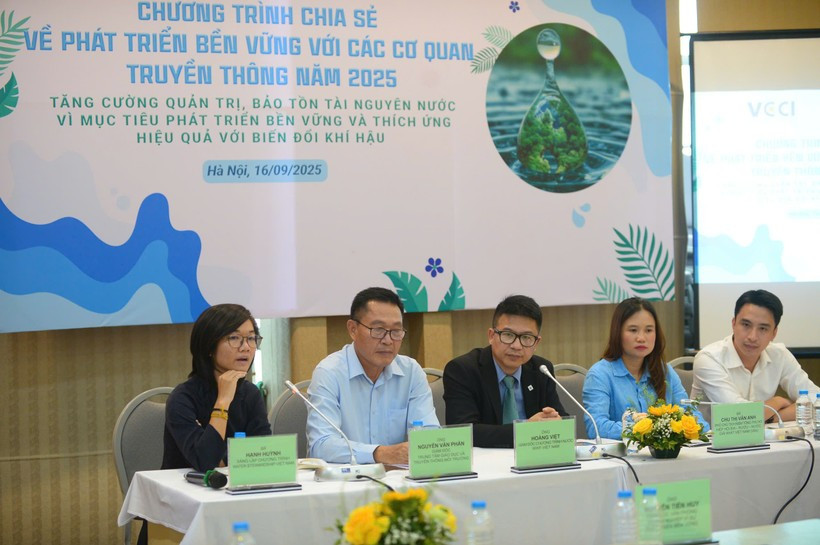
Hanoi (VNA) – Water has long been described as the “lifeblood” of the economy and society, underpinning agriculture, industry, and daily life. Yet despite its abundance, Vietnam faces rising challenges in ensuring water security and resilience against climate change.
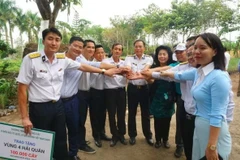
This was the central message at a programme sharing sustainable development with media agencies held on September 16 by the Vietnam Business Council for Sustainable Development (VBCSD) under the Vietnam Chamber of Commerce and Industry (VCCI). This year’s theme was “Strengthening Water Resources Governance and Conservation for Sustainable Development and Effective Climate Adaptation.”
Call for collective action
Vietnam has an estimated 830–840 billion cu.m of surface water annually and 47.5–63 billion cu.m of groundwater. However, only 37% of this originates domestically, while over 60% comes from cross-border flows. This heavy reliance on transboundary water sources leaves the country highly vulnerable to climate change and upstream developments.
Although the revised Water Resources Law (2012, amended 2023) and river basin master plans are in place, experts warn that weak inter-sectoral coordination and limited monitoring still leave significant gaps in water governance.
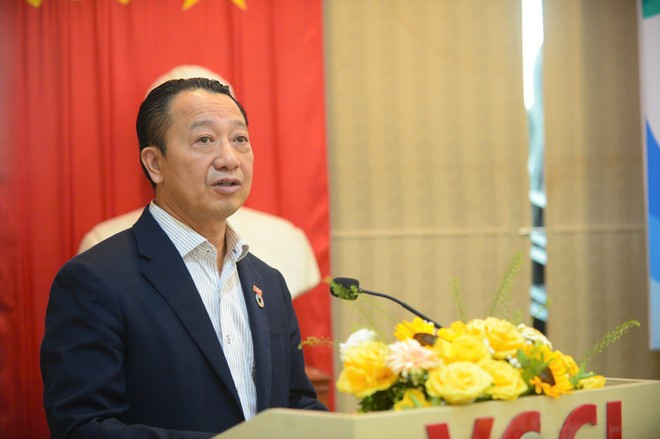
Speaking at the event, Nguyen Quang Vinh, Vice President of VCCI and Chairman of VBCSD, empahsised that businesses play a crucial role in conserving and efficiently using water resources.
“Water governance is vital not only for economic growth, but also for energy security and social stability,” he said.
Sustainable water management is no longer a cost burden. It is a strategic investment that reduces risk, enhances corporate reputation, opens access to green finance, and helps meet global ESG standards, he said.
He highlighted leading corporate initiatives, such as Nestlé Vietnam’s pledge to return 100% of the water it uses by 2025; HEINEKEN Vietnam’s reforestation and biodiversity programme, which replenishes over 690 million litres annually in the Tien River basin; BAT Vietnam and Samsung Vietnam’s water stewardship certifications across all factories; and Suntory Pepsico’s long-running Water of Life conservation programme.
However, Vinh also pointed out that many small and medium-sized enterprises (SMEs) lack the financial and technological capacity to follow suit. He called for stronger policy incentives, financial support, and greater involvement of the media in amplifying success stories and inspiring collective action.
From the business community, Nguyen Huu Hoang, Head of Sustainability at HEINEKEN Vietnam, said water and nature conservation are central to the company’s strategy. By accelerating initiatives, HEINEKEN achieved water balance in the Tien River basin five years ahead of schedule.
This milestone demonstrates the power of partnerships among business, government, civil society and communities in addressing environmental challenges, he said.
Risks to water security
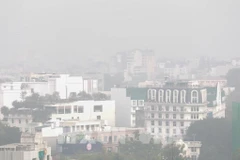
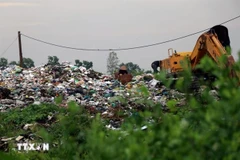
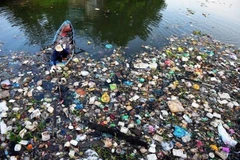
At a broader level, Hoang Viet, Water Programme Director at WWF Vietnam, warned that water is under severe stress globally and in Vietnam due to climate change, overexploitation and pollution. This, he said, poses growing risks to food security, energy supply and livelihoods.
Only through joint efforts by the State, businesses, communities and the media, can water security be ensured for today and future generations, he stressed.
Viet also introduced tools such as the Water Risk Filter and the Water Stewardship Framework, which help businesses and localities identify risks, adapt proactively and generate long-term value from water resources.
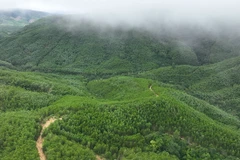
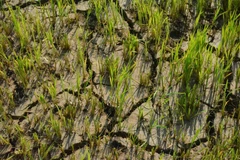
Nguyen Minh Khuyen, Deputy Director of the Department of Water Resources Management under the Ministry of Agriculture and Environment, highlighted mounting pressures: demand has tripled over the past 50 years, and is projected to reach 122.5 billion cubic metres annually by 2030 and 131.7 billion cubic metres by 2050. Meanwhile, water pollution, upstream deforestation and climate impacts are intensifying.
Although Vietnam’s per capita GDP is rising, each cubic metre of water generates only 2.37 USD in economic value—just 12% of the global average. International assessments currently rate Vietnam’s national water security at only 2 out of 5, lower than Indonesia (3/5) and far below the Republic of Korea and Australia (4/5).
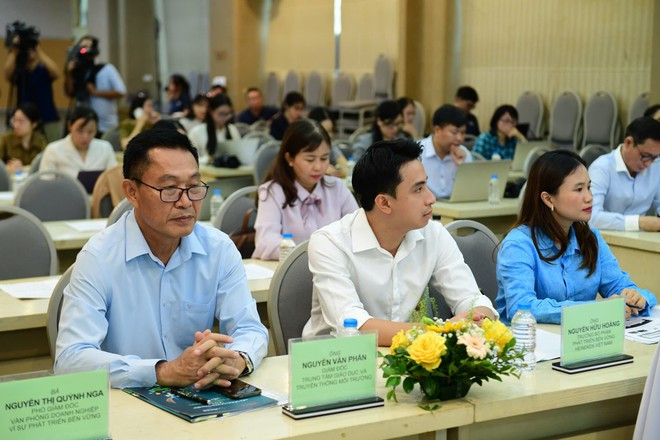
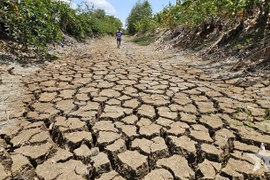
To address these challenges, Khuyen outlined upcoming government actions, including annual national water outlook reports from 2025, enhanced drought and salinity intrusion prevention, water storage and regulation measures, cross-border cooperation, and large-scale infrastructure investment.
Given tight public budgets, he emphasised the urgency of mobilising public–private partnerships (PPP) to bring in finance, management expertise and advanced technologies.
Within the framework of the programme, participants visited the Coca-Cola Vietnam’s plant, where they observed the practical applications of corporate water stewardship./.