Hanoi (VNA) – Digital transformation in Vietnam’s healthcare sector goes way beyond electronic medical records and digital health files, and it is delivering real wins for patients on the ground.
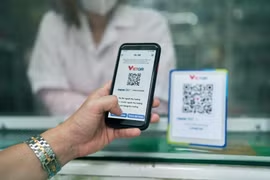
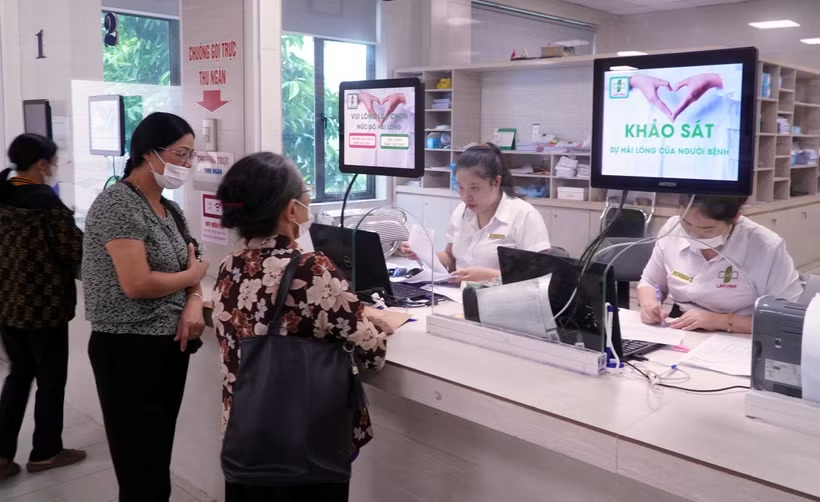
From the cash-only days, plenty of hospitals have made a fast switch to modern payment options like QR code scans, bank cards, e-wallets, and payments straight through healthcare apps.
Clear shift in patient habits
The Ministry of Health’s survey of 828 healthcare facilities, ranging from general and specialised hospitals to health stations, preventive medicine centres, and primary care units, found that a whopping 95% now let patients pay with both cash and cashless methods.
Those cashless choices cover QR code scans, bank transfers, debit and credit cards, online apps, and the national public service platform. QR payments are crushing it at nearly 89%, with bank transfers not far behind at over 84%.
At top central and provincial hospitals, cashless payments have taken off, with some reporting 70-90% of all fees now handled electronically. It’s a noticeable shift in how patients are paying and shows hospitals are hustling hard to make things smoother and faster.
The wave isn’t just hitting big cities anymore, but slowly rolling out to grassroots clinics and smaller facilities, too. Lots of hospitals have rolled out integrated electronic payment systems linked directly to hospital management software, cutting down on financial errors and slashing red tape.
Cashless payments bring a double win: way more convenience for patients and a serious boost in how efficiently hospitals run. Turning financial transactions digital means tighter control over the money flow, fewer errors, and better transparency all around.
For patients, it’s a no-brainer. They no longer need to carry cash, handle small change, or run between hospital counters. In emergencies, or when every minute counts, electronic payments can save valuable time.
The change also takes a load off cashier staff, lets hospitals use their staff smarter, and cuts the risks that come with handling piles of physical cash. All that payment data gets automatically logged and plugged into general systems, making hospital management a lot better.
But it’s not all smooth sailing. At many smaller, lower-level spots, the tech infrastructure remains patchy. Plus, some patients, especially the elderly, are or just don’t know how to use electronic payments. Connecting all the different systems smoothly while keeping data secure is another headache that needs fixing.
Key step in management modernisation
Deputy Minister of Health and Chairman of the National Medical Council Prof. Tran Van Thuan admitted that some facilities are still sitting on the sidelines when it comes to cashless payments, or have barely gotten them off the ground at all. IT setup remains weak in places, and problems linger with data connectivity, patient authentication, information security, and making payments truly easy for citizens.
He said pushing cashless payments has to line up with major policies from the Party, State, and Government. The guiding principle should be putting people at the centre, treating data as the backbone, and letting digital transformation drive the whole thing. This push needs to tie in tight with Project 06, administrative reforms, electronic medical records, and the bigger mission of creating a modern, transparent, and efficient healthcare system.
At the same time, efforts must be accelerated across all levels, especially at the provincial and grassroots facilities. Payment systems should be standardised and fully plugged into hospital software so information flows without a hitch from the moment a patient walks in, through exams and tests, all the way to paying the bill.
The health sector should keep rolling out more payment choices, lock down data security, and do a much better job explaining and guiding patients, especially the elderly and vulnerable, so they actually start using these services.
Hospitals, banks, payment companies, and tech firms all need to team up tighter to beef up the tech backbone, improve service quality, and spread the system wider.
Cashless payment must also be tightly woven into key digital transformation moves like electronic medical records, digital health books, and national healthcare databases. The ultimate aim is building an integrated and modern digital healthcare ecosystem, he added./.