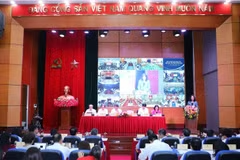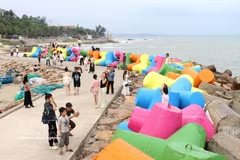
Hanoi (VNA) – Localities across Vietnam are increasingly placing heritage, natural landscapes and cultural identity at the heart of their tourism strategies, transforming indigenous assets into distinctive destination brands that offer authentic experiences and strengthen their competitive edge.
The northern province of Quang Ninh has emerged as a leading example by weaving heritage into cultural products, tourism offerings and large-scale events, turning its natural and cultural assets into key drivers of economic growth. In the first half of 2026, the province welcomed more than 12.4 million visitors and generated 35.2 trillion VND (1.33 billion USD) in tourism revenue. It also organised 30 provincial, national and international cultural and sporting events, alongside 152 tourism promotion and stimulus programmes.
With 609 historical and cultural relics, including eight Special National Relics, 19 elements of national intangible cultural heritage and two UNESCO World Heritage sites – Ha Long Bay and the Yen Tu Complex of Monuments and Landscapes – Quang Ninh has made heritage the cornerstone of its destination branding strategy.
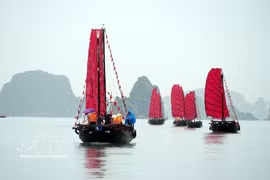
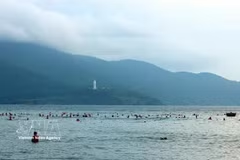
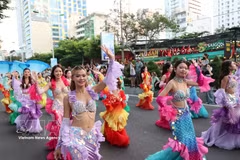
One of its signature events, the 2026 Ha Long Carnival, was staged against the spectacular backdrop of Ha Long Bay, combining immersive live performances with a light show featuring more than 70 tourist vessels. The province has also hosted major sporting events such as the Aqua Warriors Ha Long Bay race, the International DanceSport Championship and the International Open Chess Tournament at scenic coastal locations, reinforcing its distinctive identity through every event.
These events have evolved beyond promotional activities to become central pillars of Quang Ninh's cultural industry and heritage economy. The province now hosts between 50 and 70 major events each year, with many performances attracting crowds of 30,000 to 50,000. The 2026 Summer Culture, Sports and Tourism Week alone drew more than 400,000 participants and generated over 100 million views and interactions across digital platforms.
Le Ngoc Thanh, Director of the provincial Department of Culture, Sports and Tourism, said Quang Ninh has turned its heritage, landscapes and local culture into the stage for its events. By showcasing the province's unique identity, each programme not only promotes the destination but also nurtures community pride and encourages the preservation of cultural values, he said.
Quang Ninh's model mirrors a broader trend across Vietnam, where many localities are building destination brands around their heritage, cultural identity and indigenous values. The goal is to transform local assets into meaningful experiences that visitors can connect with and share.

Nguyen Quoc Hoan, Chairman of Senses Group, said international travellers are increasingly seeking the stories behind the destinations they visit rather than simply consuming tourism services. Vietnam's rich cultural resources, he said, should be developed systematically to help global audiences better understand the country's identity.
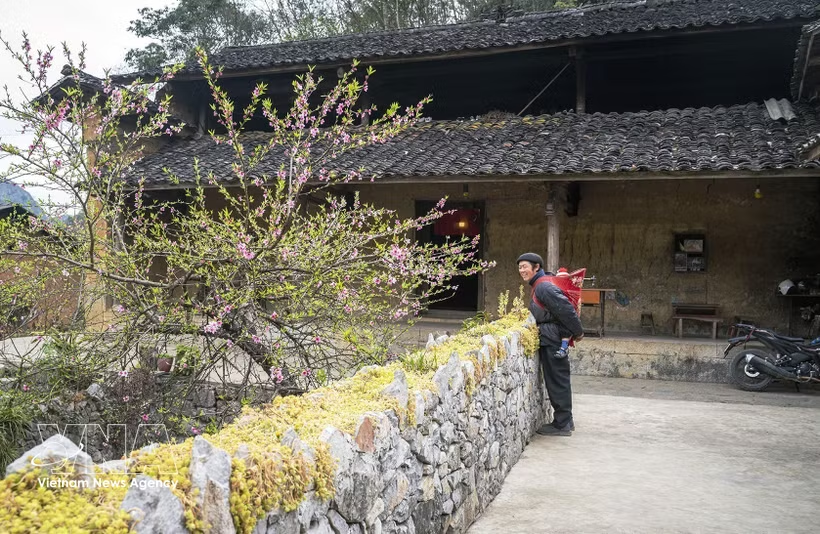
He pointed to the rammed-earth houses of the Mong ethnic community in the mountainous province of Tuyen Quang as an example. Built collectively over several months, the traditional homes embody generations of solidarity, mutual support and community spirit.
When visitors understand the stories behind these houses, they see far more than architecture, they see symbols of highland cultural identity, Hoan said, adding that tourism's true appeal lies in revealing and communicating the unique values of each destination. Transforming local heritage into tourism experiences allows visitors to gain a deeper appreciation of Vietnam's cultural richness.
Assoc. Prof. Dr Bui Hoai Son, a full-time member of the National Assembly's Committee for Culture and Social Affairs, said destination branding today is increasingly centred on telling the stories of a country's people and culture. A nation can only leave a lasting impression and establish a distinctive identity by building its narrative on the foundations of its own culture, he said.
As localities move beyond resource-based tourism towards value-driven cultural development, they are creating distinctive destination brands while reinforcing Vietnam's position as a culturally rich and compelling destination on the global tourism map./.