Kuala Lumpur (VNA) – Malaysian Deputy Prime Minister Fadillah Yusof has announced a series of proactive measures centred on five key priorities to mitigate the impact of the global energy crisis triggered by conflicts in the Middle East.
Speaking at a press conference on April 2, Fadillah said the government is focusing on ensuring a stable fuel supply, maintaining regular dialogue with stakeholders across sectors, curbing price increases, promoting energy-saving measures, and providing the public with timely and transparent information.
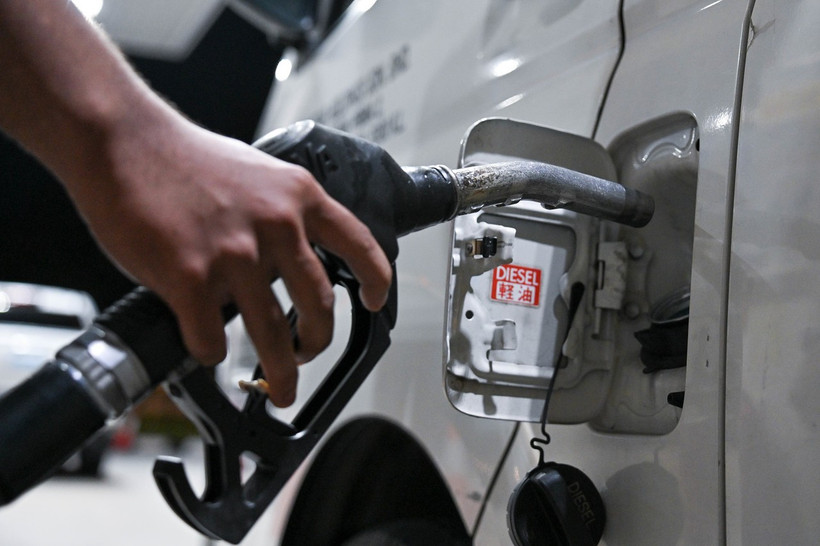
According to the Deputy PM, the government, in coordination with the national oil and gas company Petronas and industry players, is conducting daily monitoring of the fuel supply chain. A contingency plan has also been prepared to guarantee uninterrupted supply under all circumstances, including sourcing from alternative markets in the event of prolonged disruptions. As a result, Malaysia’s fuel supply has remained stable.
Fuel price adjustments are being implemented in a controlled and phased manner, in line with global market developments, he added.
Fadillah noted that Malaysia’s supply of essential food items remains sufficient. Authorities are closely monitoring prices nationwide on a daily basis and taking firm action against unjustified price hikes.
To promote energy conservation, the public sector will implement phased work-from-home arrangements starting April 15 to reduce energy consumption and ease traffic congestion. Government buildings have also been instructed to set air conditioning at a minimum of 24 degrees Celsius. Civil servants are encouraged to adopt climate-appropriate attire to reduce reliance on cooling systems.
The Deputy PM affirmed that while Malaysia remains in a stable position, it stands ready to take further proactive measures to manage the impact of the global energy crisis./.

Malaysia builds waste-to-energy plant
Once completed, the plant will be able to process up to 1,000 tonnes of solid waste per day and generate 22 megawatts of renewable electricity, enough to power around 46,000 households.