Kuala Lumpur (VNA) – The Malaysian government will launch its New Investment Incentive Framework (NIIF) in the third quarter of 2025, aiming to attract high-value investments and bolster economic resilience amid shifting global trade dynamics.
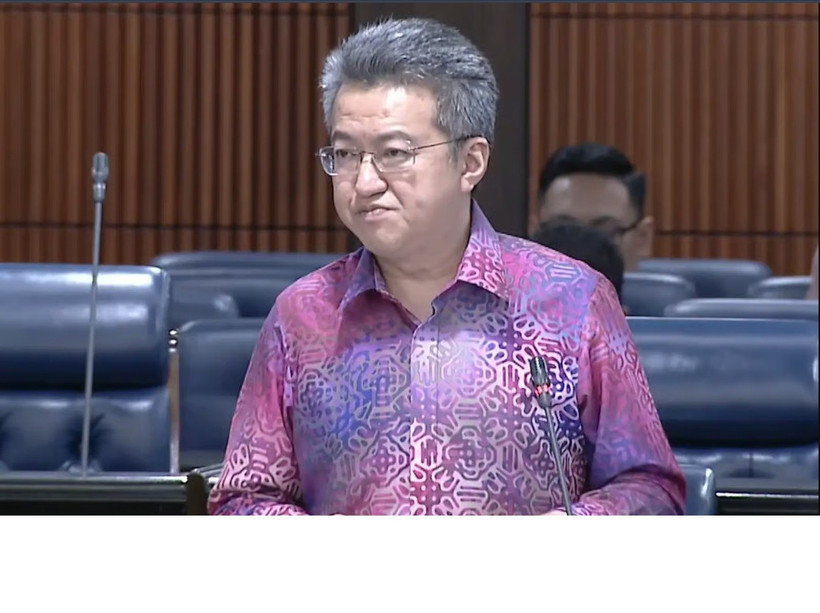
According to Deputy Minister of Investment, Trade and Industry (MITI) Liew Chin Tong, the NIIF represents a strategic policy response to the recently adjusted US countervailing duties of 19%. The new framework is designed to ensure that incoming investments deliver tangible national benefits, such as the creation of high-quality jobs for Malaysians and the development of local company ecosystems and technologies.
MITI is currently working with the Ministry of Finance to finalise the framework. The goal is to reposition Malaysia’s investment trajectory in line with national development objectives and to enhance long-term economic resilience.
Addressing the recent US tariff adjustments, Liew acknowledged the complexity and sensitivity of the issue.
However, he noted that the government had successfully negotiated a reduction in the rate to 19% and was taking early action to mitigate any negative fallout.
The US remains one of Malaysia’s most significant export markets, accounting for 13.2% of Malaysia’s total exports in 2024.
In response to mounting trade challenges, MITI and other agencies have accelerated efforts to diversify export markets, targeting non-traditional destinations and strengthening links with emerging regions such as Central Asia, South Asia, the Middle East, Africa, and ASEAN.
To strengthen Malaysia’s role as an indispensable link in global supply chains, the government is committed to supporting the growth of high-tech domestic firms, particularly in strategic sectors such as semiconductors. Liew emphasised the importance of transforming the mindset among local small and micro-sized enterprises, shifting from being mere support players to becoming viable global partners.
Looking ahead, the government aims to reposition domestic companies from simple contract manufacturers labeled “Made in Malaysia” to innovators that deliver “Manufactured by Malaysia” products using local technology and capabilities.
To support this transition, the Ministry of Finance is rolling out the GEAR-uP initiative, an 25 billion MYR (5.9 billion USD) programme focused on high-growth sectors, especially semiconductors and energy transition. The programme also prioritises workforce development and empowerment of minority communities.
As part of broader investment reform, Malaysia is also evaluating the possibility of requiring foreign investors to enhance localisation commitments, ensuring that domestic businesses gain from spillover effects of international investment.
With NIIF at the center of its strategy, Malaysia is confident that its timely measures will help shield the economy from future global trade shocks and elevate the country’s position in global supply chains./.