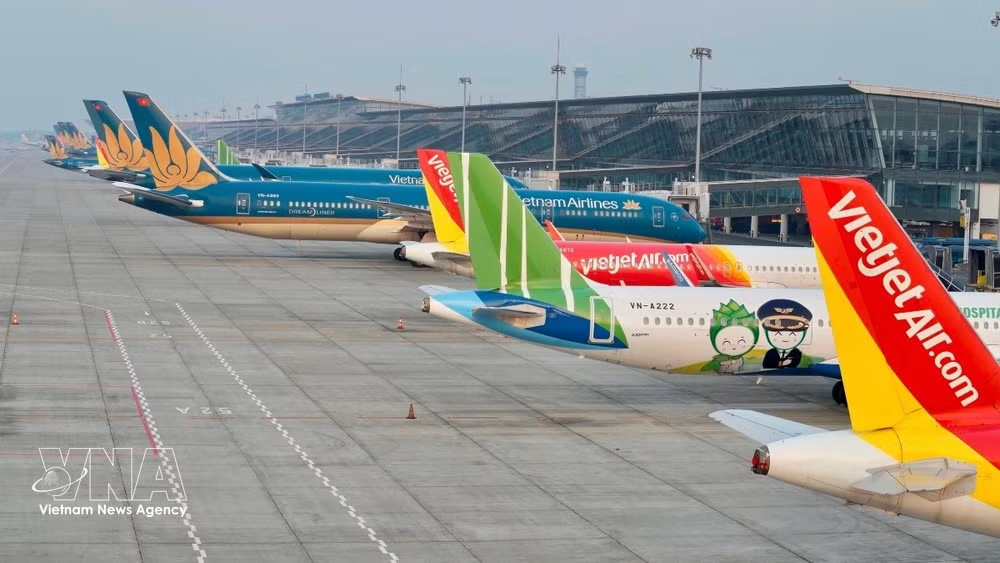
Hanoi (VNA) - The sharp rise in aviation fuel prices has made many air routes economically unviable, with airlines facing mounting losses as additional fuel costs outpace revenues.
The ongoing conflict in the Middle East has disrupted fuel supplies and driven oil prices sharply higher. The aviation industry has been particularly affected, as airlines operating extensive route networks risk incurring losses on flights that can no longer offset rising fuel expenses.
In a report submitted to the Ministry of Construction assessing the impact of the Middle East conflict and proposing measures to address rising aviation fuel prices, Director General of the Civil Aviation Authority of Vietnam (CAAV) Uong Viet Dung said the ongoing conflict in the Middle East has severely affected air routes connecting Europe and Asia through the Gulf region, disrupting not only passenger travel but also the transportation of cargo, materials, and equipment by air.
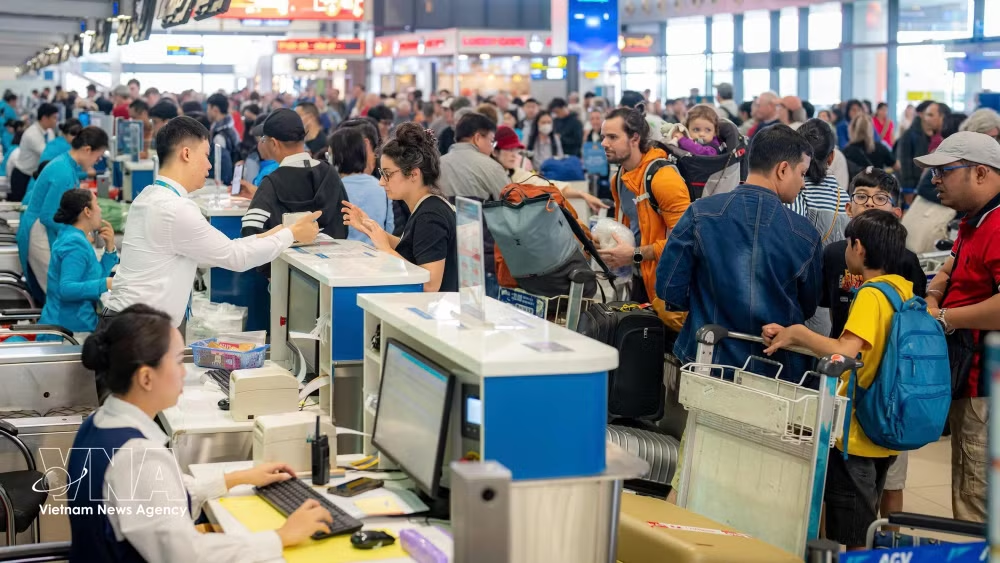
“The situation has caused large-scale disruptions to global aviation networks, forcing many international airlines to cancel or adjust flight schedules,” Dung said.
The conflict comes as Vietnam’s aviation sector has been experiencing strong growth. In 2025, the market handled 83.5 million passengers, up 10.8% from 2024, and 1.5 million tonnes of cargo, an increase of 18.5%.
The first two months of 2026 also saw a surge in Vietnam’s tourism sector, particularly international tourism, with 4.7 million foreign arrivals, up 18.1% year-on-year. New markets such as India, Europe, Africa, and the Americas recorded remarkable growth. Air transport accounted for more than 80% of international tourist arrivals.
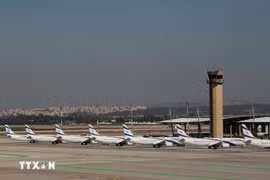
The conflict has already disrupted air services between Vietnam and the Middle East. Qatar Airways, Emirates, and Etihad Airways have cancelled numerous flights, affecting tens of thousands of passengers.
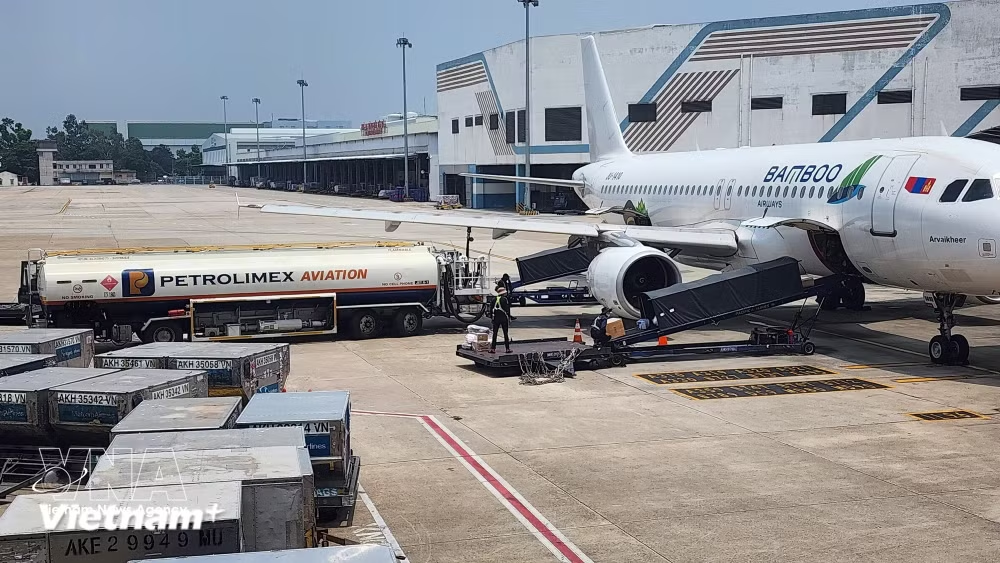
“Given the complexity of the conflict and the uncertainty surrounding its duration, air transport is expected to face significant difficulties in the coming months due to rising fuel prices, declining tourism demand, reduced trade activity, supply chain disruptions, and tighter consumer spending. This will have a major impact on Vietnamese airlines and aviation service providers, which have already prepared resources for the April 30-May 1 holiday period, the 2026 summer peak season, and the country's double-digit growth targets,” Dung said.
Fuel costs represent one of the largest components of airline operating expenses, typically accounting for 35–40% of total costs, depending on fleet age, operational efficiency, and route structure.

“Rerouting flights to avoid closed airspace means longer flight times, greater fuel consumption, higher crew overtime costs, and increased maintenance expenses, all of which will further reduce airline profitability,” Dung said.
Indirect costs have also risen significantly, including higher overflight charges on alternative routes and increased aviation insurance premiums amid disruptions to global energy supply chains.
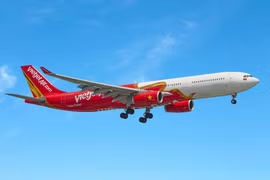
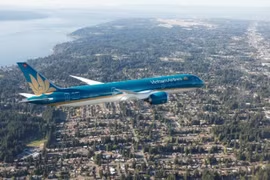
“High fuel prices have rendered many routes unprofitable. Some flights may generate greater losses the more they operate because additional fuel costs cannot be recovered. As a result, Vietnamese airlines are reviewing their operations and adjusting flight schedules from April 2026 to reduce fuel consumption and avoid flight cancellations caused by fuel supply disruptions,” Dung said.
Airports and ground service providers are also under pressure from the potential decline in flight frequencies and soaring diesel prices, which are driving up operating costs for vehicles and equipment.
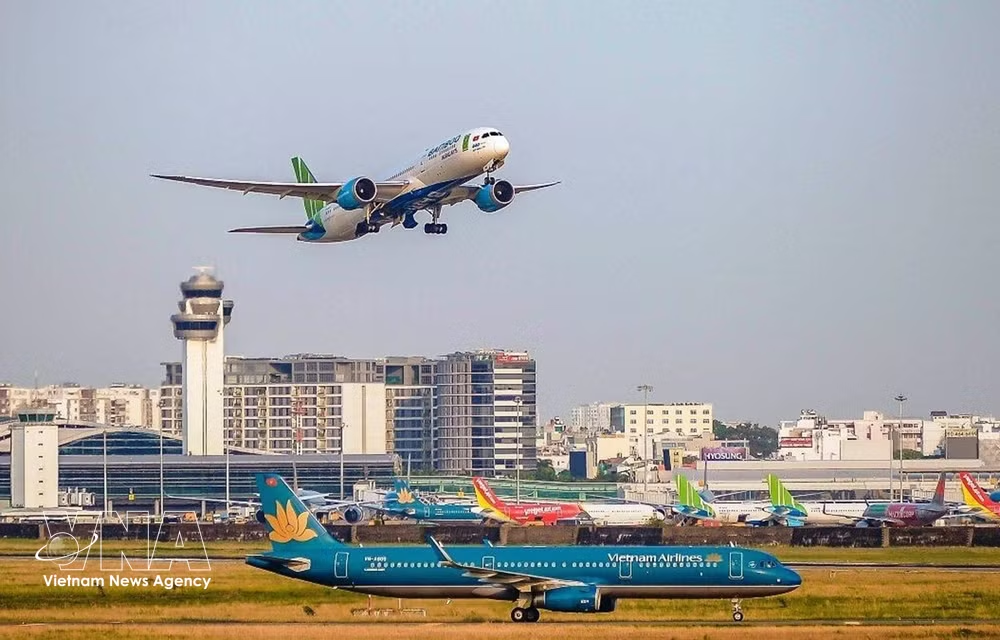
To mitigate the impact of rising fuel prices and ensure the continued operation of Vietnamese airlines, the CAAV has proposed that the Ministry of Construction recommend a package of support measures. These include exempting aviation fuel from environmental protection tax through the end of May 2026 and adding aviation fuel to the list of goods eligible for a reduction in value-added tax (VAT) from the current 10% rate.
The authority also suggested allowing airlines to apply fuel surcharges on domestic airfares based on actual fuel price fluctuations, while considering adjustments to airfare caps on domestic routes when necessary to ensure the sustainability of airline operations.
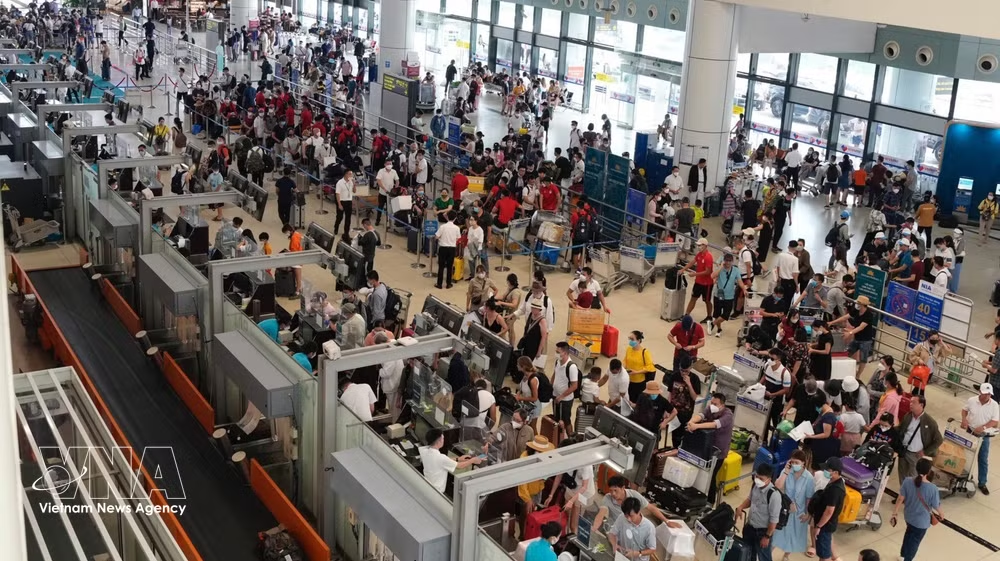
In addition, it called for the establishment of high-level government mechanisms with countries that have imposed export restrictions, such as Thailand and China, to facilitate fuel imports, and proposed reinstating a 50% reduction in aviation-related fees, including landing, takeoff and air navigation charges, similar to support measures introduced during the COVID-19 pandemic.
The CAAV also proposed that the Ministry of Finance continue studying tax and fee support mechanisms for aviation enterprises, while the State Bank of Vietnam consider financial support measures, including higher credit limits and increased letter-of-credit guarantees for fuel suppliers and airlines.
The Ministry of Industry and Trade was urged to expand fuel supply sources and instruct domestic refineries at Dung Quat and Nghi Son to maximize Jet A-1 production and provide fuel to Vietnamese airlines at reasonable prices.
The Ministry of Foreign Affairs was asked to facilitate engagement with foreign governments and international aviation authorities to help fuel suppliers secure imports and ensure Vietnamese airlines retain their historical takeoff and landing slots.
Meanwhile, the Ministry of Culture, Sports and Tourism was encouraged to continue promoting tourism in high-growth markets, while the Ministry of Public Security was urged to strengthen security and public order at airports nationwide./.