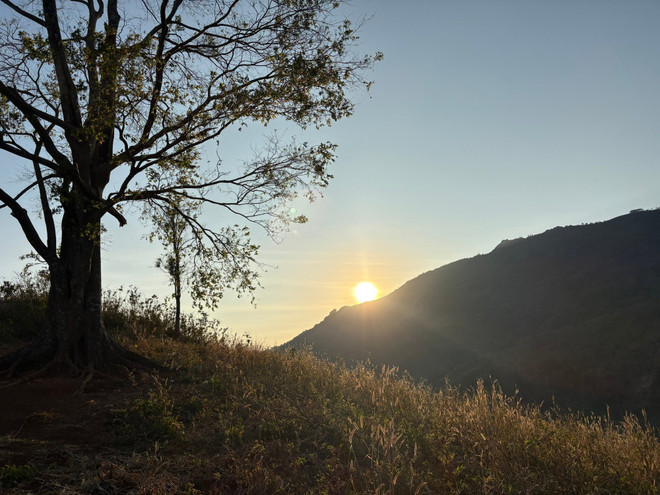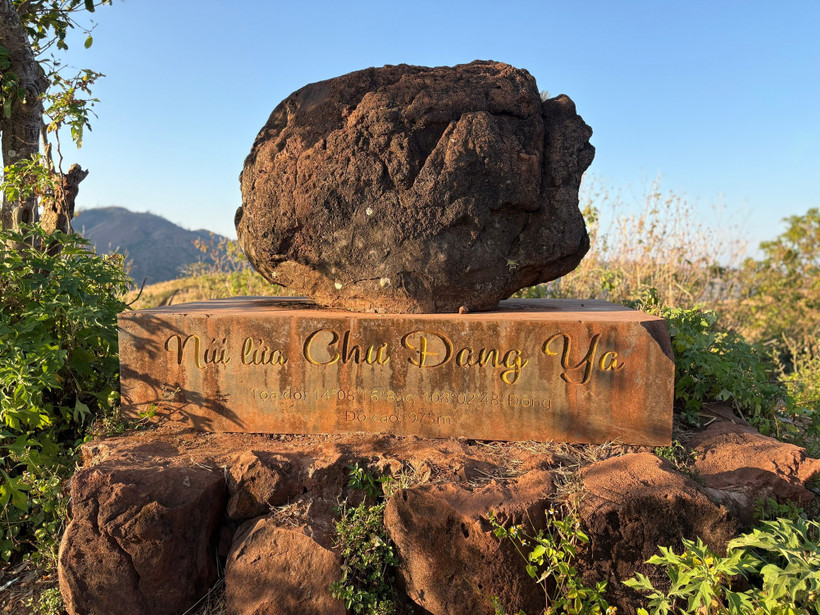
Hanoi (VNA) – Each season showcases a unique charm of Chu Dang Ya, a long-extinct volcano that quietly narrates the tale of powerful eruptions that occurred millions of years ago. Today, it stands as one of the most attractive tourist destinations in the central province of Gia Lai.
Rising gently among the rolling highlands of Gia Lai, Chu Dang Ya Volcano may not be the tallest mountain in the region, yet it captivates visitors from afar with a beauty unlike any other. Millions of years since its last eruption, the extinct volcano continues to tell a quiet story of fire, transformation and life, becoming an increasingly attractive destination for travellers exploring Vietnam’s Central Highlands.
The name Chu Dang Ya comes from the Jrai language, meaning “wild ginger root”, linked to a local legend passed down in Ia Gri village. According to the story, a woman suffering from severe illness climbed the mountain in desperation and discovered wild ginger growing near the summit. After eating it, she recovered, and villagers later named the mountain after the healing plant believed to be a gift from heaven.
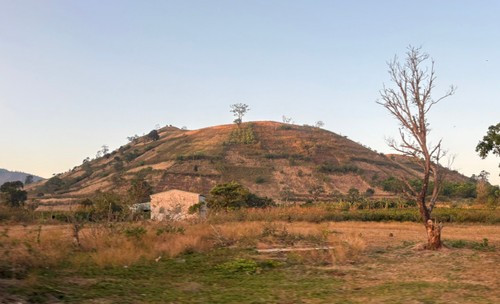
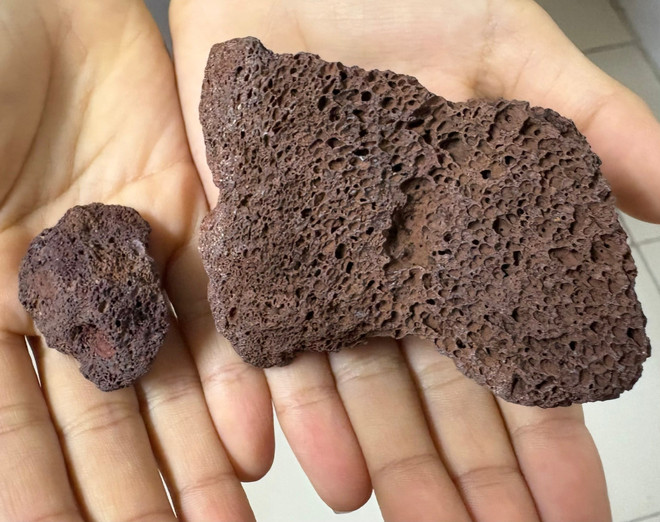
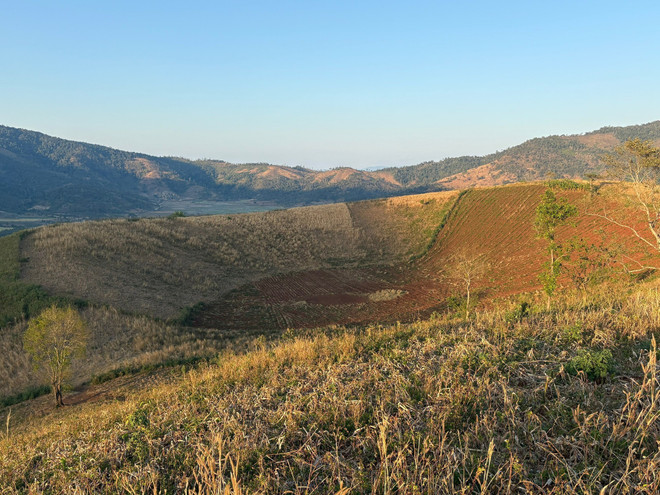
Beyond legend, Chu Dang Ya’s uniqueness lies in its geological origins. Formed through ancient volcanic eruptions, the mountain features three large funnel-shaped craters. Its lava stones that were scattered in the past still dot the slopes today. The weathered lava created fertile red basalt soil, turning the surrounding area into productive farmland. Viewed from above, cultivated fields form a patchwork pattern stretching from the foothills to the summit, blending natural history with human livelihood.
Each season transforms the mountain’s appearance. During the rainy months, crops flourish, and the landscape turns lush green, creating a peaceful and prosperous scene.
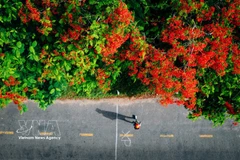
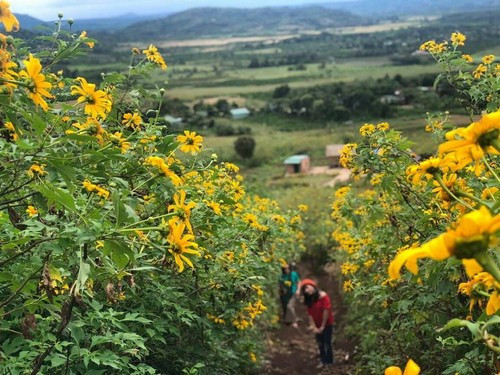
Between July and October, bright red canna flowers cover the slopes, evoking memories of flowing lava. Later, from late October to early November, wild sunflowers bloom across the hillsides and along winding paths, painting Chu Dang Ya in brilliant yellow and drawing photographers and nature lovers alike.
The dry season reveals a more rugged side of the volcano. The basalt soil seems to retain heat, making temperatures here slightly higher than those in the surrounding areas. Vegetation fades, leaving brown grass and exposed earth that highlight the mountain’s raw and mysterious character. Sparse ancient trees stand against wide open skies while the vast crater basins resemble enormous natural bowls carved by time.
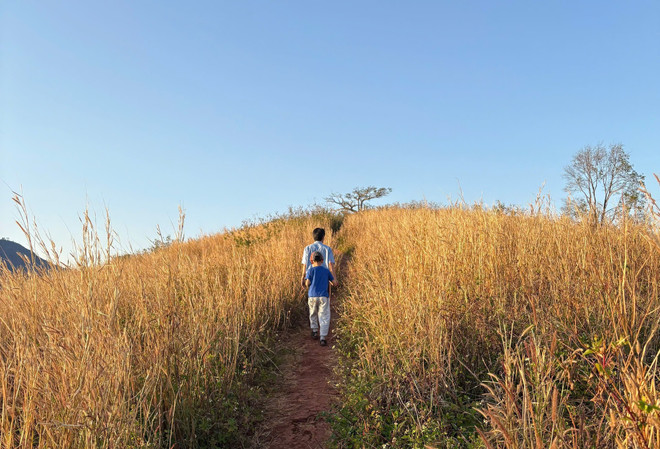
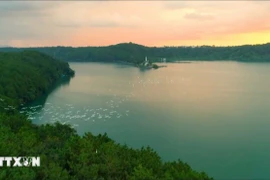
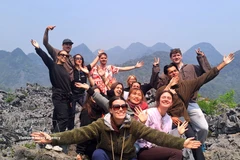
Reaching the summit rewards visitors with sweeping views of layered mountains, peaceful Jrai villages nestled below, Pleiku city in the distance, and the famous Bien Ho Lake nearby. Walking along narrow trails circling the craters offers a rare chance to observe volcanic formations up close, including porous magma rocks whose textures differ strikingly from ordinary stones.
Despite its growing popularity, Chu Dang Ya remains modestly developed. Access roads are still simple paths used by farmers, becoming slippery during the rains and dusty in the dry season. Residents hope greater investment will improve infrastructure and create sustainable livelihoods while preserving the mountain’s natural character.
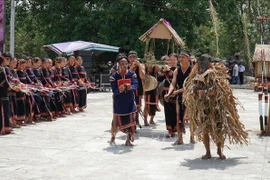
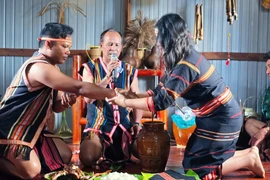
Efforts to promote tourism have begun to gain momentum. The annual Wild Sunflower – Chu Dang Ya Volcano Week, held every November in Ia Gri Village, features gong performances, traditional crafts, local cuisine, and outdoor activities such as hiking and paragliding, highlighting both cultural heritage and natural beauty.
Trinh Van Sang, Chairman of the People’s Committee of Bien Ho commune of Gia Lai province, said that a master plan for the Bien Ho – Chu Dang Ya tourism area through 2050 will be built, covering about 6,300 hectares. The locality is seeking partners to develop the area into a national eco-cultural tourism destination, combining conservation and community participation to support sustainable development./.