")
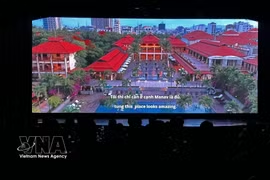
Hanoi (VNA) - Film tourism is an important part of Vietnam’s cultural industry development strategy. A successful film can generate international interest in Vietnam and help enhance the country's image abroad.
But what matters more for film tourism: a great film or an outstanding destination? Experts say both are essential, while an ideal filming location requires much more than beautiful scenery.
Film tourism began to flourish in the 1990s and expanded rapidly with global hits such as The Lord of the Rings, Harry Potter and, more recently, Game of Thrones.
The success of The Lord of the Rings helped increase tourist arrivals to New Zealand by 40% between 2000 and 2004. Before the COVID-19 pandemic, surveys showed that around 20% of visitors came to New Zealand because of the film trilogy. Many filming locations have been preserved to recreate the cinematic experience for fans.
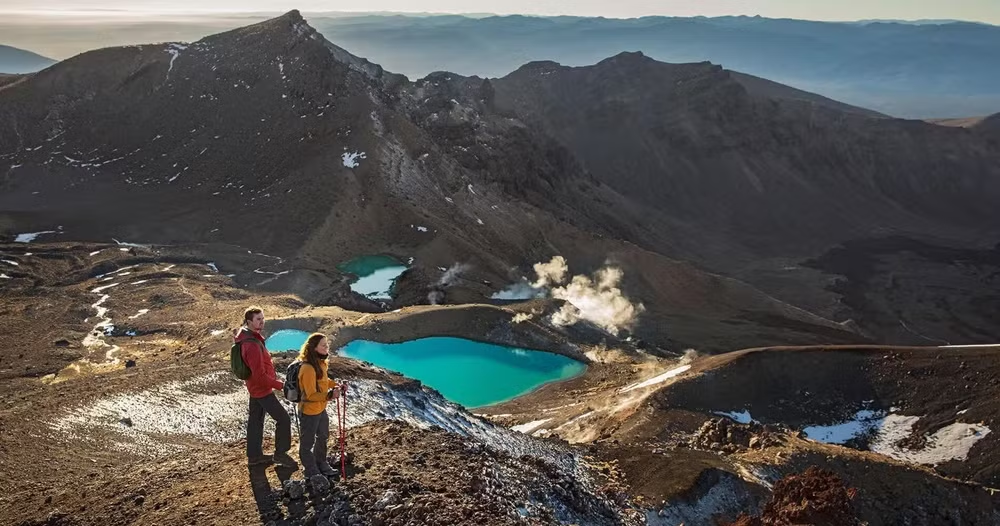
Thanks to their profound cultural impact, film-related trips are sometimes regarded as a form of “pilgrimage.” In Japan, a similar phenomenon known as seichi junrei (anime pilgrimage) encourages fans to visit real-life locations featured in or inspiring anime productions.
According to Professor Okamoto Takeshi of Shindai University, these destinations create opportunities for people with shared interests to connect and build communities.
A successful film remains the foundation of film tourism. Dr. Ngo Phuong Lan, Chairwoman of the Vietnam Film Development Association, stressed that films must first possess artistic and cultural value before they can effectively promote destinations.
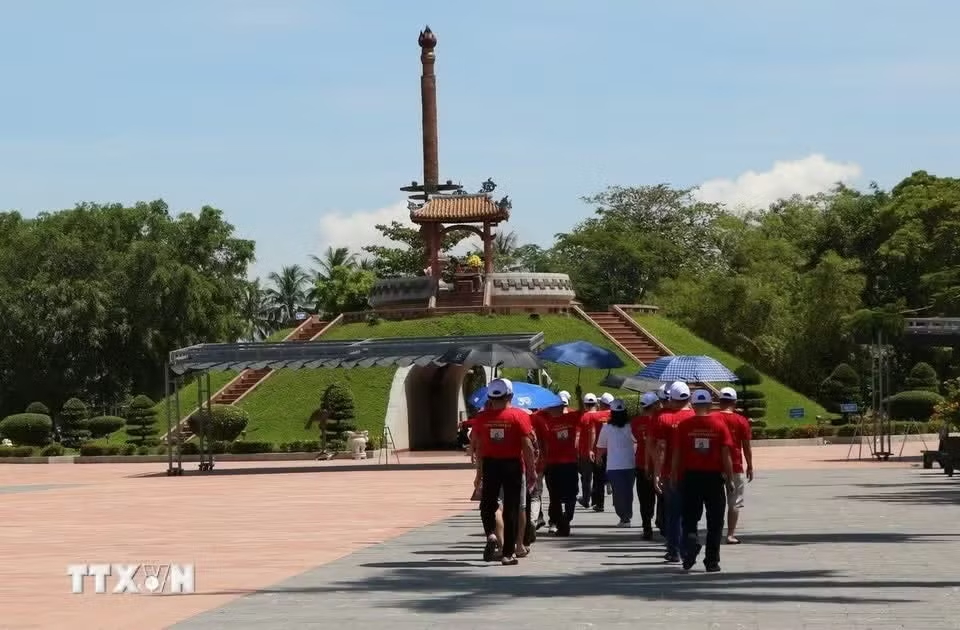
Vietnam has recently witnessed its own example with Red Rain (Mua Do), a film depicting the 81-day defense of Quang Tri Citadel. Following the film’s release, visitor numbers to the historic site rose significantly.
According to the management board of the Quang Tri Ancient Citadel Historical Site, nearly 10,000 visitors came during the National Day holiday from August 30 to September 2, 2025.
While domestic films are effective vehicles for promoting local culture and destinations, Vietnam also seeks to attract more international productions.
Speaking with VietnamPlus, Professor Okamoto Takeshi emphasized that local communities should benefit directly from filmmaking activities through employment opportunities and service provision.

He also noted that tourists increasingly rely on online information before deciding to visit a filming location, making digital promotion an important component of film tourism.
Vietnamese experts believe foreign filmmakers are often attracted by the country's distinctive landscapes and architecture.
Director and Meritorious Artist Bùi Trung Hải said preserving the authenticity of natural scenery and cultural heritage remains essential in attracting international productions.
More broadly, Hai argued that cinema can serve as a source of soft power and a catalyst for growth in other sectors of the economy./.