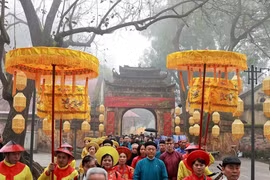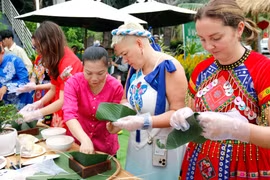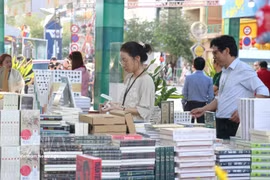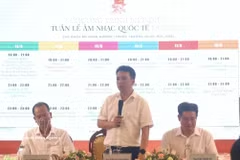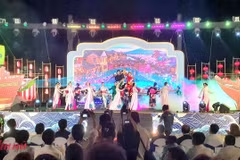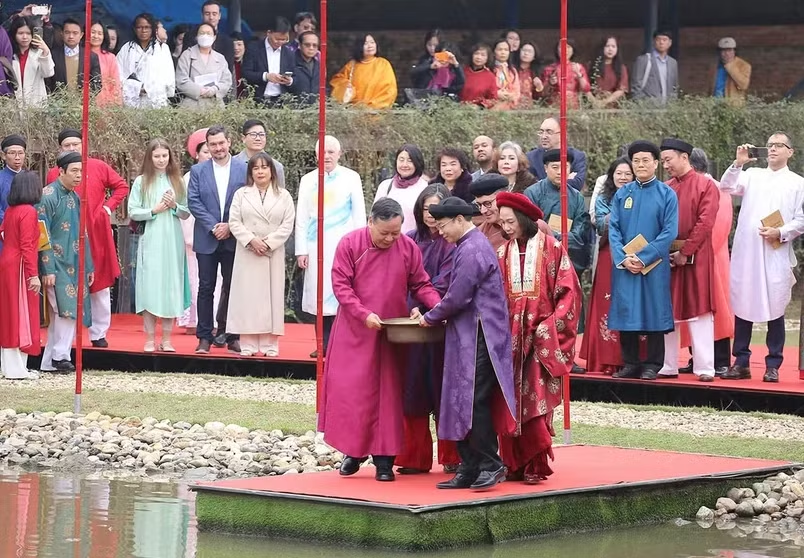
Hanoi (VNA) — Diplomats and international delegates were offered a vivid glimpse into Vietnam’s Lunar New Year traditions at the Thang Long Imperial Citadel during the “Discover Vietnam Day 2026” held on February 10.
Co-organised by the Vietnam National Commission for UNESCO and the Hanoi People’s Committee, the event recreated traditional royal court rituals under the theme “Tong cuu nghinh tan” (bid farewell to the old, welcome the new), promoting the traditional Lunar New Year while showcasing Vietnam’s image to international audiences, reaffirming the role of culture as a bridge for dialogue, cooperation and sustainable development.
Part of an annual cultural diplomacy initiative launched by the Ministry of Foreign Affairs since 2015, the programme aims to update foreign diplomats and international organisations on Vietnam’s policies and socio-economic achievements while showcasing the country’s cultural identity.
This year’s event drew more than 300 participants, including nearly 100 members of the diplomatic corps from 45 missions.
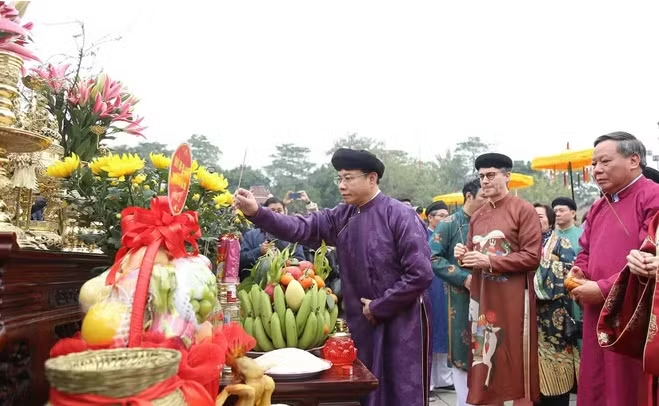
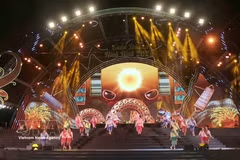
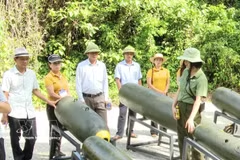
Attendees experienced a range of traditional Tet rituals once held in the imperial court, symbolising prosperity, peace, and well-being. These included the Tien Lich Ritual, in which calendars were formally distributed to the court and the public, and the Thuong Tieu Ceremony featuring the ceremonial New Year pole erected to ward off evil spirits and welcome spring. Other events are the ritual of releasing carps to send the Kitchen Gods to heaven, and the solemn changing-of-the-guard ceremony inside the imperial citadel. Together, the activities helped audiences better understand the cultural, spiritual, and ceremonial order of Vietnam’s feudal past.
In his opening remarks, Deputy Foreign Minister Ngo Le Van, who also serves as Chairman of the Vietnam National Commission for UNESCO, described Tet as a sacred moment symbolising reunion, gratitude, and hope for the future. He emphasised that enduring traditions reflect not only Vietnam’s cultural depth but also shared universal values such as peace, solidarity, and sustainable development.
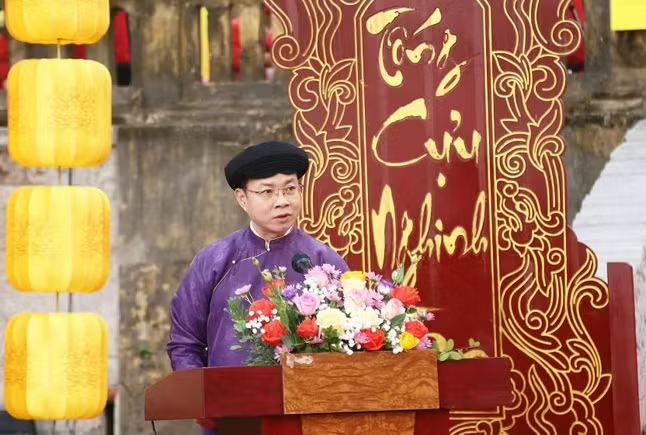
He noted that hosting the event at the Thang Long Imperial Citadel — a UNESCO World Cultural Heritage site — underscores the connection between past and present, and between tradition and integration. The site has served as Vietnam’s political centre for over a millennium and stands as a symbol of national heritage and historical continuity.
The programme also marked the opening of a series of activities celebrating the 50th founding anniversary of Vietnam–UNESCO relations (1976–2026), reaffirming Vietnam’s role as an active and responsible member of the international community, and its readiness to contribute to common efforts for peace, dialogue, and sustainable development.
He expressed his hope that through the programme, international friends will have the opportunity to get insights into traditional rituals and the cultural space of Vietnam’s Lunar New Year. They can also experience a friendly and open Vietnam, where tradition and modernity go hand in hand, and culture serves as a foundation for cooperation and development.
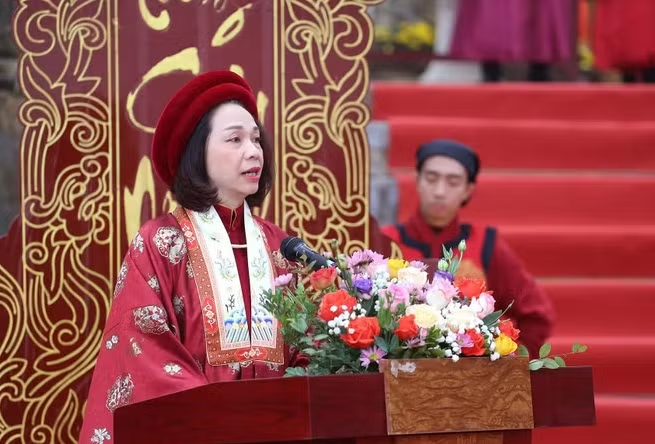
Vice Chairwoman of the municipal People’s Committee Vu Thu Ha highlighted the city’s commitment to preserving and promoting traditional cultural values while enhancing Hanoi’s image as a “City of Heritage, Identity and Creativity.”
She affirmed that strategic cooperation with the Ministry of Foreign Affairs and the Vietnam National Commission for UNESCO, along with the guidance from scholars and support from international partners, has helped the cultural values of Hanoi continue to shine, serving as a strong bridge of friendship between Vietnam and the global community.
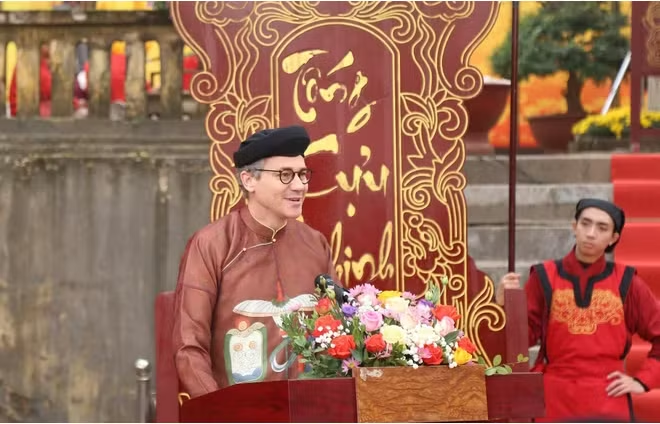
Jonathan Wallace Baker, Head of the UNESCO Office in Vietnam, praised initiatives that bring heritage to life and make it more accessible to the public. He noted that the programme demonstrates how intangible cultural heritage continues to thrive and remain relevant in modern urban life.
The event, he added, reflects effective and responsible cooperation among public institutions, cultural organisations, and private partners in Vietnam./.