Hanoi (VNA) – Although Vietnam has not recorded any Ebola cases so far, authorities are maintaining heightened surveillance and preparedness to prevent possible importation of the disease.
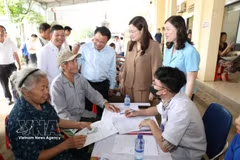
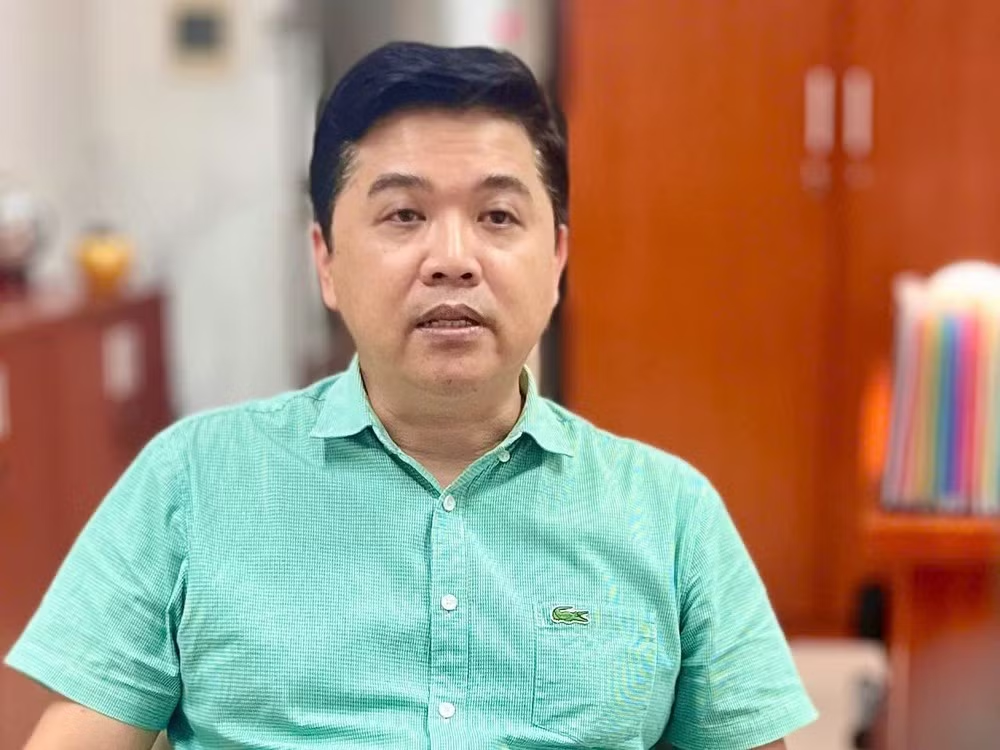
Vo Hai Son, Deputy Director of the Department of Disease Prevention under the Ministry of Health, speaks to the press about the risk of the disease entering the country.
Reporter: As Ebola continues to develop in several countries, could you provide an overview of the current situation?
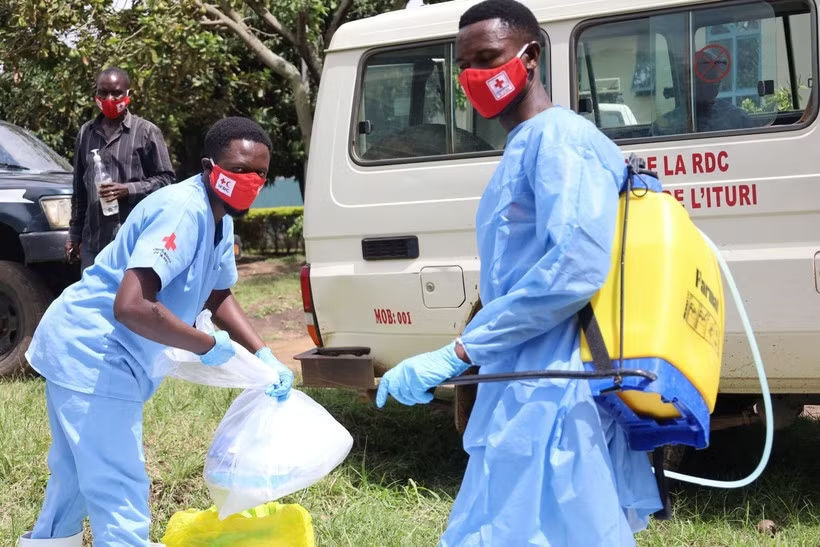
Vo Hai Son: According to the World Health Organisation (WHO), as of May 22, the Democratic Republic of the Congo had reported more than 750 Ebola infections and 177 deaths. Uganda has also confirmed two imported cases linked to the outbreak in the Congo.
This is the Congo's 16th Ebola outbreak since 1976. Ebola is an extremely dangerous disease with a very high fatality rate. In response, the WHO has declared the outbreak a global public health emergency. However, this does not mean the disease has spread worldwide.
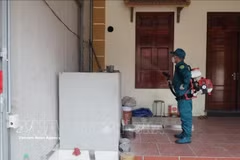
We are working closely with the WHO to monitor developments. Given the severity of the disease, Vietnam must remain highly vigilant and strengthen surveillance to minimise the risk of the virus entering the country.
Strict implementation of preventive measures
Reporter: Vietnam has not recorded any Ebola cases so far. How is the risk of the disease entering the country being assessed?
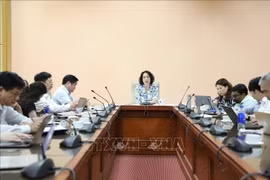
Vo Hai Son: We regularly consult international and domestic experts. On the afternoon of May 22, we held a meeting with the WHO, the US Centres for Disease Control and Prevention (CDC), Vietnamese experts, relevant departments, hospitals and research institutes to assess the risk.
The experts agreed that the likelihood of Ebola entering Vietnam is very low. However, the possibility cannot be ruled out because Vietnam has extensive international tourism and trade. Travellers could transit through third countries before entering Vietnam, creating a small but existing risk of imported cases.
We are maintaining a high level of vigilance and coordinating closely with the Ministry of Foreign Affairs, the Ministry of Public Security and immigration authorities to monitor travellers arriving from African countries, enabling appropriate health monitoring and recommendations.
The Ministry of Health has also issued public information through national media channels to raise awareness, advising people travelling to or returning from affected areas to follow disease prevention measures.
Ebola spreads through direct contact with the bodily fluids of infected individuals and generally requires close contact for transmission. Therefore, if appropriate protective measures are followed, the risk of infection is not high. We continue to urge the public to remain alert.
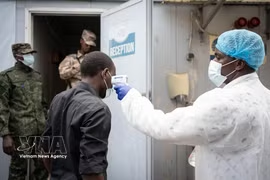
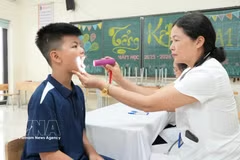
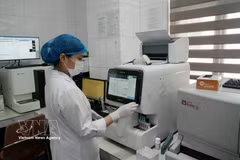
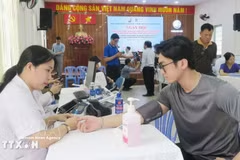
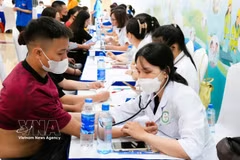
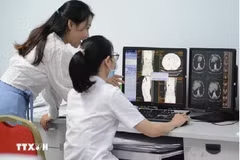
Vietnam has strengthened surveillance in two key areas. The first is screening at international border gates. The second is hospital-based surveillance focusing on suspected symptoms. In addition, the Pasteur Institute in Ho Chi Minh City and the National Institute of Hygiene and Epidemiology have been instructed to remain ready to conduct laboratory testing so that suspected cases can be diagnosed and detected promptly.
Reporter: What measures is the Ministry of Health taking to respond to the potential risk?
Vo Hai Son: The ministry has organised a series of meetings with the WHO, experts, research institutes and relevant ministries and agencies to assess risk, update developments, and prepare technical reports.
We are reviewing and updating professional guidelines first issued in 2014 to reflect the latest situation and WHO recommendations, ensuring that response measures remain appropriate.
The ministry has also reported the situation to the Party Central Committee’s Office and high-ranking State leaders to support timely direction and decision-making.
Most importantly, we encourage the public to access information from official sources, including the WHO and the Ministry of Health, to ensure they have an accurate understanding of the situation. People should remain vigilant without giving in to panic or complacency.
Public urged to remain vigilant
Reporter: What advice does the Ministry of Health have for the public?
Vo Hai Son: Current recommendations are mainly aimed at people travelling to or returning from affected areas, especially parts of the Congo. We urge them to stay alert and strictly comply with disease prevention measures.
Certain traditional funeral practices in the Congo involve touching the bodies of the deceased, while the Ebola virus can be transmitted through contact with the bodily fluids of infected people, including those who have died. Consequently, direct contact poses a high risk of infection.
People should not panic but should understand how the disease spreads and actively protect themselves by avoiding contact with the bodily fluids of anyone suspected of being infected.
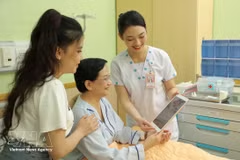
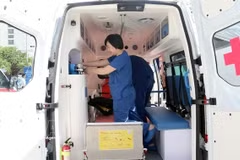
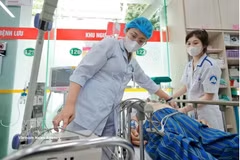
For healthcare workers, infection prevention and control measures in hospitals have been strengthened to ensure readiness in the event of an imported case.
The public needs to understand that although Ebola is extremely dangerous, it does not spread as easily as COVID-19. The two diseases have completely different modes of transmission. With appropriate preventive measures, the risk of an outbreak can be effectively managed.
Reporter: What recommendations does the ministry have for people travelling to countries affected by Ebola?
Vo Hai Son: In general, people should follow basic disease prevention measures, such as wearing masks when appropriate, maintaining good personal hygiene, practicing safe food hygiene, and washing their hands regularly, especially before eating and after returning from public places.
Anyone who has had close or direct contact with a suspected Ebola patient should use appropriate personal protective equipment in accordance with health guidelines.
Those returning from affected areas with symptoms such as fever, fatigue, or other unusual health conditions should seek medical attention immediately and provide a full travel history so that they can be monitored and treated promptly. These are the key recommendations that the Ministry of Health is conveying to the public.
Reporter: Thank you very much./.