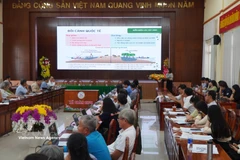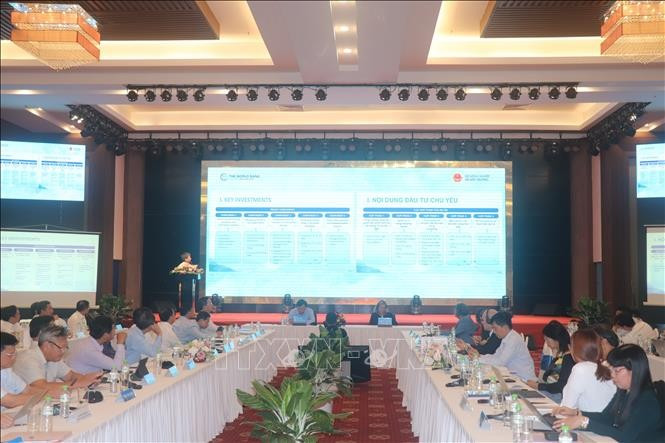
Can Tho (VNA) — With total investment exceeding 8.5 trillion VND (325.3 million USD), the Mekong Delta Integrated Climate Resilience and Sustainable Livelihoods Project (ICRSL or WB9) has helped improve climate resilience and sustainable livelihoods for nearly 2 million people in the region, 49% of them women, heard a workshop in Can Tho city on June 20.
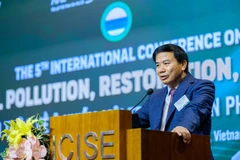
In his remarks, Nguyen Dinh Hau, Director of the Project Management Board, said the project delivered significant outcomes over the eight years of implementation, from 2016 to 2024. These include the completion of a monitoring system for surface water, groundwater, and riverbank and coastal changes using remote sensing technology; the establishment of the Mekong Delta Data Centre; and the development of operational procedures for key irrigation systems.
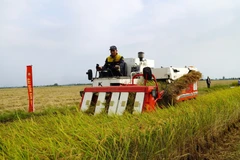
The project also supported climate-resilient livelihood transitions and invested in major infrastructure, including nearly 350 kilometres of dykes and embankments integrated with rural roads, 160 sluice gates and bridges, and almost 45 kilometres of wave-reducing embankments designed to promote sedimentation and protect coastal areas.
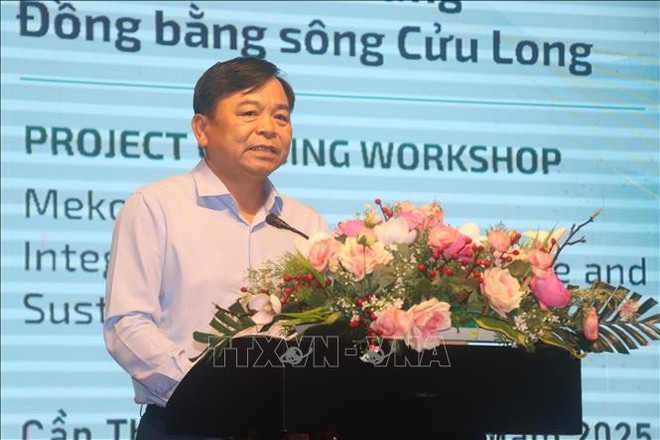
Deputy Minister of Agriculture and Environment Nguyen Hoang Hiep described WB9 as one of the most successful initiatives of its kind. He highlighted the project’s role in developing a new generation of local officials with valuable experience, and in encouraging farmers to adopt more sustainable production practices without leaving the region in search of alternative livelihoods.
However, he said that the Mekong Delta continues to face significant challenges, including upstream developments, climate change, and sea-level rise progressing faster than anticipated.
Building on the success of WB9, the Ministry of Agriculture and Environment, the Ministry of Finance, and the World Bank have proposed a new project — the Mekong Delta Climate Resilience and Integrated Transformation Project (MERIT or WB11). With an investment of nearly 17 trillion VND, it aims to continue strengthening the region’s resilience, with participation from 10 provinces.
According to Nguyen Nghia Hung, Deputy Director of the Southern Institute for Water Resources Research and head of WB11, a key feature of the project’s financing is that 90% of the loan to participating provinces will be provided as a grant, with only 10% repayable — significantly easing the financial burden and encouraging greater engagement in large-scale projects.
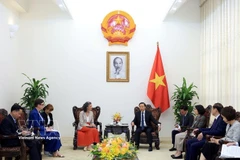
Mariam Sherman, World Bank Country Director for Vietnam, Laos, and Cambodia, said the World Bank remains committed to working with the Vietnamese government to develop the next phase of climate resilience and transformation for the Mekong Delta. The new project will build on and extend the positive results of WB9, providing financial support, global expertise, and partnerships to help ensure a resilient and inclusive future for the region./.