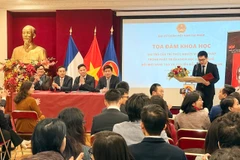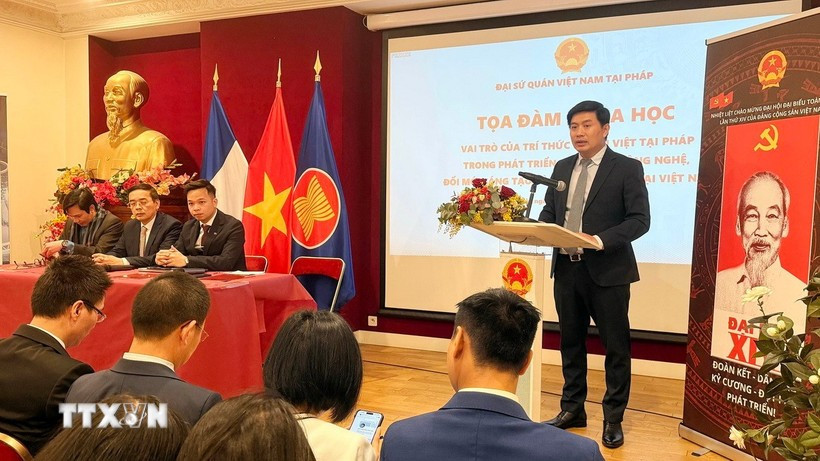
Paris (VNA) – Vietnam must move decisively away from traditional growth models and accelerate its transition to a knowledge-based economy if it wishes to achieve its goal of becoming a developed nation by 2045, heard a scientific seminar held in Paris on January 31.
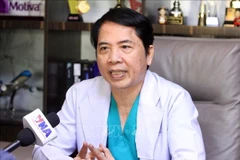
Dr Vo Toan Trung, head of the Department of Neurological Rehabilitation at Bullion Hospital, said the shift requires a comprehensive and long-term strategy that closely links research with application and commercialisation, alongside focused investment in sectors capable of generating high added value and improving people’s quality of life.
Sharing practical experience in connecting overseas Vietnamese (OV) intellectuals, Dr Ung Quoc Hung, Chief Engineer at France’s Setec Nucléaire and Vice Chairman of the Vietnam Nuclear Professional Network (VietNuc), stressed that mobilising overseas intellectual resources in an era of deepening globalisation calls for more flexible and substantive approaches.
He suggested expanding remote, project-based and task-oriented forms of engagement, rather than focusing solely on attracting returnees, to better leverage the expertise and international networks of Vietnamese professionals in France and other developed countries.
From a technology strategy perspective, Dr Le Huu Dien Khue, head of research and development at the GetVocal AI start-up, said international experience shows artificial intelligence (AI) can only become a genuine driver of growth when the State takes a leading role through proactive industrial policies, systematic investment in computing infrastructure and data, and a reliable legal framework.
He proposed treating computing capacity and data as core infrastructure of the digital economy, while aligning AI development with key sectors such as health care, education, transport and urban management.
Assoc. Prof. Dr Tran Le Hung of Gustave Eiffel University highlighted the concept of “brain circulation” in an increasingly interconnected world, describing overseas Vietnamese intellectuals as a valuable cross-border resource that should be mobilised flexibly and sustainably in line with each stage of development. He also proposed a “five-helix” ecosystem linking the State, universities, scientists, investors and enterprises to facilitate research, application and commercialisation of sci-tech products.
Meanwhile, Dr Nguyen Van Tuan, a postdoctoral researcher at Chimie ParisTech under PSL University, called for a unified academic identification system and stronger independent peer review by domestic and overseas scientific communities to ensure investment in science is used for right purposes, effectively and sustainably.
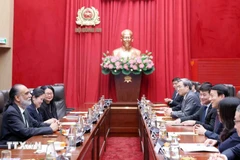
The seminar drew broad participation from Vietnamese scientists, experts and intellectuals working and studying in France and other European countries. Beyond academic exchange, it reflected the determination of overseas Vietnamese intellectuals to contribute to national development.
Discussions at the event underscored support from Vietnamese intellectuals in France to the Party and State’s strategic vision, particularly the view that science – technology, innovation and digital transformation are key breakthroughs and primary drivers of fast and sustainable growth. Numerous practical recommendations were put forward to help translate the spirit of the Politburo’s Resolution No. 57 into action, shorten implementation delays and deliver tangible outcomes.
A representative of the Vietnamese Embassy in France said the ideas and proposals offered by Vietnamese intellectuals demonstrate a strong sense of responsibility towards the homeland and provide valuable input for policy research, consultation and refinement, especially in the implementation of Resolution No. 57./.