Spring Fair 2026 set to strengthen nationwide trade promotion

With broad participation of ministries, sectors, localities, industry associations and enterprises, the fair is positioned as a trade promotion platform culminating in spillover effects and positive impact on the economy.

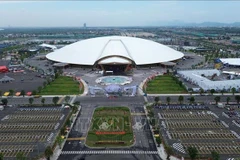
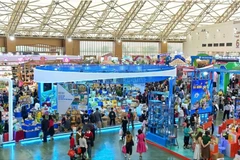
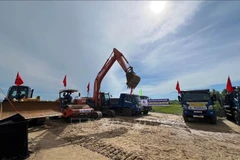
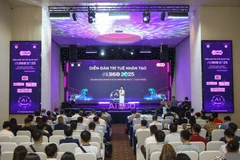
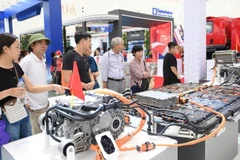
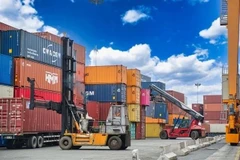
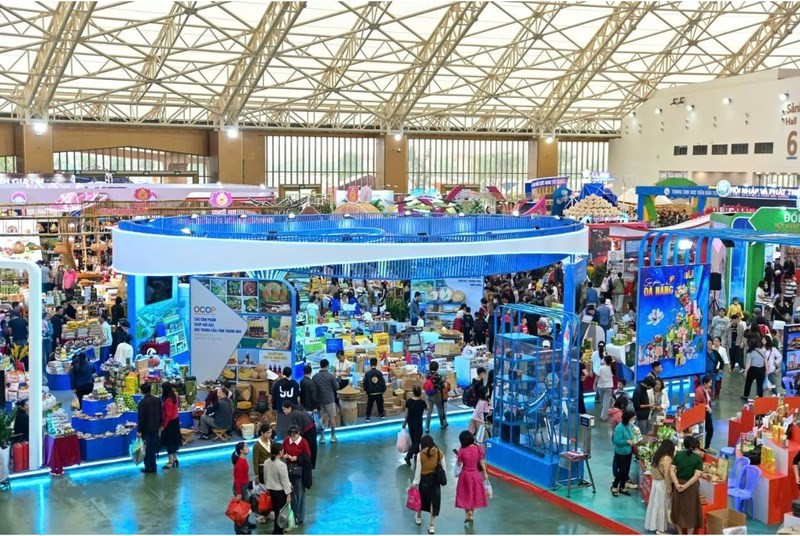
Beyond trade promotion, First Glorious Spring Fair 2026 is expected to showcase national, local and corporate brands, stimulate domestic trade and inter-regional linkages, attract foreign direct investment (FDI) and domestic investment partnerships. - Illustrative image (Photo: VNA)

Hanoi (VNA) – The National Fair Steering Committee has issued Decision No. 194/QD-BCDHCQG approving the plan to organise the First Glorious Spring Fair 2026, with a view to scaling up the event and future national fairs in both size and professionalism, expanding trade connectivity, and reinforcing brand promotion for businesses across the country.

With broad participation of ministries, sectors, localities, industry associations and enterprises, the fair is positioned as a trade promotion platform culminating in spillover effects and positive impact on the economy. Designed to meet international standards, it aims to widen its global reach by attracting foreign investors and advanced technologies, while supporting Vietnamese products in accessing regional markets. The initiative aligns with the Government’s strategy to develop Vietnam into a regional hub for fairs and exhibitions.

Beyond trade promotion, the event is expected to showcase national, local and corporate brands, stimulate domestic trade and inter-regional linkages, attract foreign direct investment (FDI) and domestic investment partnerships, and facilitate the import of core technologies, materials and equipment, contributing to the country’s industrialisation and modernisation drive.

The fair will take place over 12 days, from February 2 to 13, at the Vietnam Exposition Centre (VEC) in Dong Anh, Hanoi. Hosted within the Kim Quy exhibition, it will feature around 100,000 sqm of indoor exhibition space across 10 halls, each covering about 10,000 sqm, equivalent to roughly 3,000 standard booths, along with outdoor exhibition areas. Themed “Connecting Prosperity – Welcoming a Glorious Spring,” the event will be organised by the Ministry of Industry and Trade.

The fair will comprise eight thematic zones, including a Locality Zone themed on Ho Chi Minh City, organised by the municipal People’s Committee; the “Spring Journeys Home – Specialties from Across the Nation” zone, hosted by provincial and municipal People's Committees nationwide except Hanoi and Ho Chi Minh City; the “Vietnamese Agricultural Products – Spreading the Colours of Spring” zone, organised by the Ministry of Agriculture and Environment; and the “Prosperous Spring” zone under the Ministry of Industry and Trade.

A key highlight will be the Vietnam Integrated Value Chain Exhibition (VIVC 2026) for the textile and garment, footwear, wood processing and handicrafts industries. Under the theme “From Materials to Markets – One Completed Value Chain,” the exhibition will function as a national-scale B2B and B2C platform, linking manufacturers, suppliers, machinery and equipment providers, distributors, buyers and consumers at home and abroad, fostering a complete value chain from design and inputs to production and consumption.

Other featured areas include the “Reunion Tet” zone organised by the Hanoi People’s Committee; the “Essence of Vietnamese Culture” zone hosted by the Ministry of Culture, Sports and Tourism; and the “Flavours of Spring – Connecting Tastes” zone organised by Vingroup and the Vietnam Exhibition Fair Centre Joint Stock Company (VEFAC)./.


VNA
See more

Chili peppers are on the list of essential goods in Indonesia (Photo: VNA)

Indonesia reduces imports of strategic food commodities

In 2026, Indonesia is expected to have approximately 12 million tonnes of rice carried over from the previous year, supported by annual production of around 34.7 million tonnes. With projected consumption of 31.1 million tonnes, national rice reserves could reach approximately 16 million tonnes by the end of the year.

Hanoi’s roadmap to implement low-emission zones from July is providing a strong boost to the electric two-wheeler market (Photo: VNA)

Low-emission zone roadmap drives electric two-wheeler boom in Hanoi

From July 1, Hanoi will introduce time-based or area-based restrictions on petrol-powered motorcycles within Ring Road 1, with plans to expand coverage across the entire zone by 2028 and extend to areas within Ring Road 3 by 2030. The policy is expected to reshape travel habits for millions of urban residents.

Delegates at the opening ceremony of the Made in Da Nang Expo 2026 (Photo: VNA)

Nearly 300 firms join Made in Da Nang Expo 2026

Speaking at the opening ceremony, Vice Chairman of the Da Nang People’s Committee Tran Chi Cuong said the exhibition is a large-scale trade promotion event aimed at showcasing products, connecting markets, and helping businesses enhance competitiveness while expanding domestic and export markets.

 Green production, standardised value chains key to fruit, vegetable sector growth

Green production, standardised value chains key to fruit, vegetable sector growth

Facing mounting pressure from increasingly stringent domestic and international standards, Vietnam’s fruit and vegetable sector is accelerating its shift toward green, safe, and sustainable production models. Beyond changing farming practices, localities and businesses are stepping up efforts to standardise value chains and build brands to achieve growth targets for 2026.

Hiep Phuoc Industrial Park in Ho Chi Minh City. (Photo: VNA)

Southern industrial real estate enters strategic growth phase

Key industrial hubs in the south, including Ho Chi Minh City, Dong Nai and Tay Ninh, are transitioning from a period driven largely by supply expansion and rising land prices to a more refined growth model. This new phase is shaped by infrastructure upgrades, supply chain restructuring, product improvement and greater emphasis on operational performance.