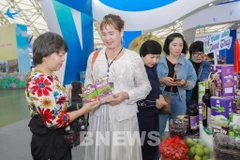
Hanoi (VNA) – As the Lunar New Year (Tet) 2026 approaches, a wide range of traditional Vietnamese products have been imported into the French market to meet demand among the Vietnamese community as well as consumers with a growing interest in Asian cuisine.
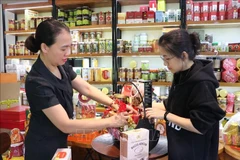
At markets and specialty stores selling Vietnamese goods, preparations for the festive season are already in full swing. Imported Vietnamese products this year are diverse, focusing on items closely associated with Tet meals and traditions.
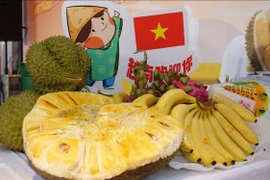
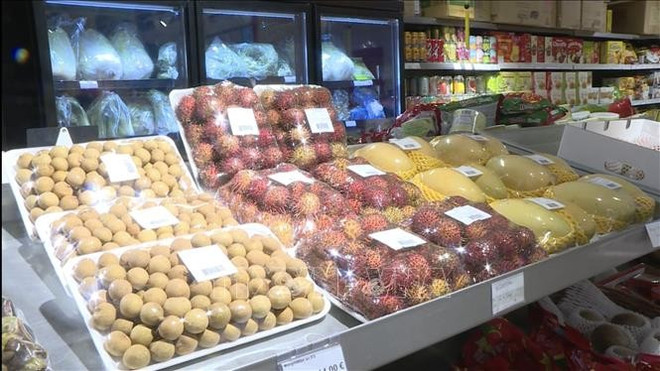
Fresh fruits such as jackfruit, mangosteen, sapodilla, rambutan, mango and pomelo have been shipped to France via dedicated consignments, ensuring freshness and quality upon arrival. In addition, dried fruits including mango and jackfruit, along with traditional Tet products like cashew nuts, coconut candy and peanut sweets, have appeared on shelves.
Essential ingredients for the traditional Tet celebration remain in strong demand, while other familiar items such as coffee and traditional sweets have continued to be popular purchases, particularly among overseas Vietnamese seeking the flavours of home.
Early preparation of supply not only helps ensure sufficient availability during the Tet peak but also allows importers and retailers to better comply with increasingly stringent French and European Union regulations on food safety and traceability.
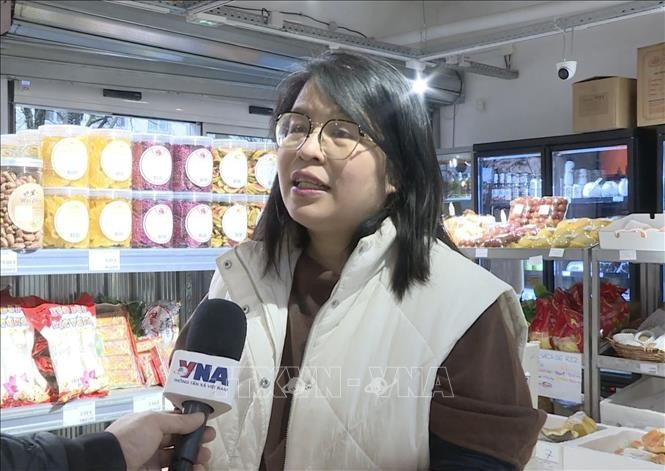
Do Thi Quynh Phuong, owner of Viet–France Market, noted that Vietnam’s Lunar New Year 2026 will fall later than in 2025, around mid-February. However, Tet-related trade has already become vibrant, with businesses and suppliers actively preparing shipments for overseas markets, including France.
Compared to the same period last year, she said, Vietnamese agricultural exports in early 2026 have increased in volume with more stable supply. Product quality has also improved markedly, thanks to clearer and more standardised production, packaging and quality control processes. Many products now carry the necessary certifications to meet EU requirements, facilitating smoother import procedures.
She added that product designs and varieties this year are more diverse than in previous years, making them more appealing to consumers and more convenient for storage and display. This trend is seen as a positive signal for Vietnam’s export activities, particularly for Tet-related goods.
Noting that Vietnamese products face competition from countries such as the Republic of Korea, Japan and Thailand, which also supply Tet items to large Asian communities, Phuong advised Vietnamese exporters that maintaining consistent product quality throughout the year, rather than focusing solely on seasonal demand, is crucial for long-term success. Sustained quality after consumers’ initial experience helps Vietnamese brands build lasting trust and achieve sustainable growth in international markets.
Regarding Tet celebrations, she noted that the Vietnamese community in France still prioritises making “banh chung” (square-shaped sticky rice cake) at home to preserve traditional values. Handmaking “banh chung” is not only about enjoying traditional cuisine but also symbolises family reunion and helps keep the spirit of Vietnamese Tet alive abroad.
Overall, the increasingly rich and diverse presence of Vietnamese products during the Tet season not only supports overseas Vietnamese communities in preserving their traditions but also gradually introduces the flavours and cultural essence of Tet to French consumers./.