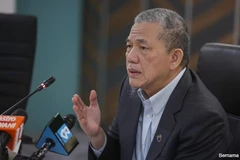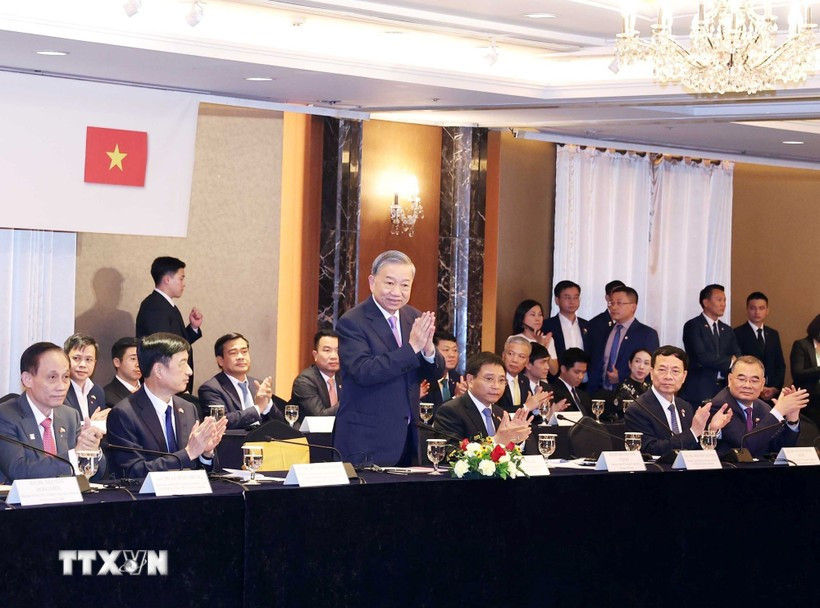
Bangkok (VNA) - Thai scholar Kavi Chongkittavorn has praised Vietnam’s rise as a regional leader following General Secretary of the Communist Party of Vietnam Central Committee To Lam’s recent visit to the Republic of Korea (RoK).
In an article published by the Bangkok Post on August 19, Kavi commended Vietnam’s choice of the RoK to showcase a new strategic economic partnership in the region, focusing on growing trade, investment, and diplomatic cooperation. As the first country to dispatch a top leader to meet newly-elected President Lee Jae Myung, the Hanoi government sends a clear signal to both Northeast and Southeast Asia that the RoK and Vietnam are emerging together as a driving force of regional connectivity and economic growth, he wrote.
The two leaders made an impressive pledge - 50 billion USD in trade within the next five years, nearly double last year's trade volume of 87 billion USD. Achieving this ambitious target will require their full commitment, reinforcing a partnership that extends beyond economy into technology, education, and cultural exchange, said Kavi, a veteran journalist on regional affairs.
He noted that Vietnam this year is going to celebrate the 80th anniversary of the 1945 August Revolution and National Day (September 2). Three decades ago, when it joined the Association of Southeast Asian Nations (ASEAN), few believed Vietnam could integrate and thrive in the bloc's demanding frameworks. Yet in Seoul, Vietnam proudly showed that the country is an emerging leader shaping future regional architecture in both economic integration and strategic autonomy, he noted.
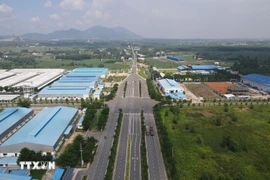
According to the author, peace and stability remain central to Hanoi’s vision. Vietnam consistently supports ASEAN-led forums, including the ASEAN Regional Forum, East Asia Summit, ADMM+, and the ASEAN Outlook on the Indo-Pacific, consolidating strategic peace while integrating into global value chains. Foreign investors, especially in high-tech and green sectors, regard Vietnam as a top destination due to reforms emphasising transparency, efficiency, and governance.
Beyond economic and security ties, people-to-people exchanges bolster the Vietnam-RoK partnership. Cultural cooperation, tourism, education, and labour migration strengthen bilateral relations. “Soft power” elements like the popularity of Korean pop culture, cuisine, and language in Vietnam serve as important bridges.
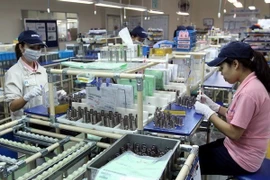
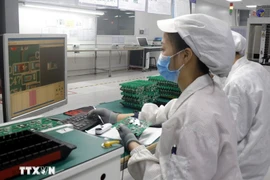
Strategically, Kavi highlighted that both countries recognise the partnership must adapt to global shifts - technological revolutions, green transitions, and supply chain disruptions. Hanoi offers a dynamic manufacturing base and young workforce, while Seoul provides capital, expertise, and innovation. This cooperation could model regional collaboration.
Kavi also hailed Vietnam’s growing adaptability. The country’s responses to US tariff threats have shown economic flexibility and diplomatic agility amid US-China competition and supply chain shifts. Vietnam has transformed external shocks into opportunities. As it enters its fourth decade of ASEAN membership, Vietnam is a key driver of economic integration, bridging gaps between established and newer members.
Vietnam’s participation in the ASEAN-RoK Free Trade Agreement, Regional Comprehensive Economic Partnership (RCEP), and Comprehensive and Progressive Agreement for Trans-Pacific Partnership (CPTPP) reflects its strategy to diversify trade and avoid overdependence on any partner, asserted the author.
In conclusion, the author affirms that by building a comprehensive strategic partnership with the RoK, Vietnam continues to strengthen bilateral ties and redefine its role as a regional leader./.