Hanoi (VNA) - As unpredictable volatility grips Vietnam's key export markets including China, Europe, and the US, the Southeast Asian nation is shifting its focus to Africa which boats huge potential with fewer technical barriers and an increasing demand for Vietnamese goods.
Over the recent past, Vietnam has ramped up high-level diplomatic activities with African countries, with the most notable one being the official visits to Senegal and Morocco by National Assembly (NA) Chairman Tran Thanh Man, and the visits to Côte d’Ivoire and South Africa by Vice NA Chairman Vu Hong Thanh. These high-level visits, accompanied by business promotion activities, are laying the groundwork for a new phase of economic cooperation between Vietnam and Africa.
Boasting a population of over 1.4 billion, which is expected figure surpass 2.5 billion by 2050, Africa is one of the fastest-growing regions in the world, marked by a rapidly expanding middle class.
Statistics showed that Vietnam shipped some 4 billion USD worth of products to African countries while buying around 5.5 billion USD of goods from the continent. However, trade turnover remains humble.
African countries have increasing appetite for agricultural products, essential consumer goods, machinery for agricultural production, and building materials, the areas where Vietnam holds competitive advantages.
Experts described Africa as a market with growing purchasing power, high profit margins, and fewer restrictive technical barriers compared to the EU, presenting significant opportunities for Vietnamese goods, particularly as traditional markets face increasing volatility.
According to Dr.Phan Chi Hieu, Chairman of the Vietnam Academy of Social Science, once the African Continental Free Trade Agreement (AfCFTA) is brought into full play, Vietnam will have tremendous opportunities to boost exports to the region, as goods between the two sides demonstrate high complementarity.
The Vietnamese trade counsellors in several African countries said local consumers highly value Vietnamese product quality and pricing, especially natural and environmentally-friendly ones that meet basic standards.
While North African nations like Algeria and Tunisia show strong interest in Vietnamese agro-seafood products such as raw coffee, pepper, cashew kernels, coconut, and frozen pangasius and shrimp, nations in the western part like Senegal seek rice, pepper, confectionery, and cereal products.
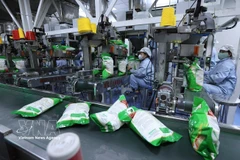
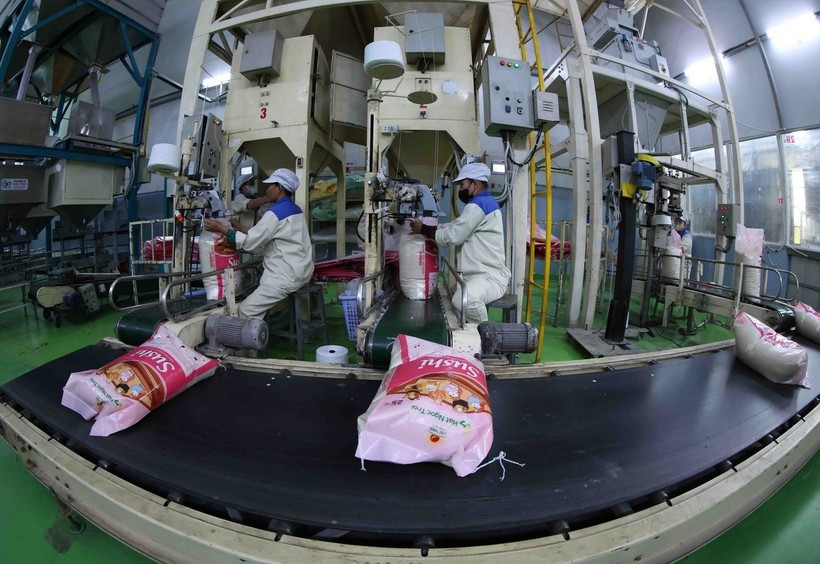
During the Vietnamese top legislator’s official visit to Senegal from July 22 to 24, Deputy Minister of Industry and Trade Nguyen Sinh Nhat Tan signed a Memorandum of Understanding with Senegalese Minister of Trade Serigne Gueye Diop, under which Vietnam will supply 100,000 tonnes of rice for the African country. The rice trade deal aims to bolster food security and market stability in Senegal while mitigating the impact of climate change and natural disasters. For Vietnam, it diversifies rice export markets and supports domestic farmers.
Navigating significant barriers
While opportunities abound, conquering the African market presents considerable challenges, including geographic distance, high transport costs, insufficient market information, and incomplete legal frameworks.
Additionally, unstable international payment, weak logistics infrastructure, and political risks in several countries must be taken into account, experts advised.
A representative from the Ministry of Industry and Trade’s Department of Foreign Market Development suggested Vietnam pen a targeted market strategy involving trade promotion, brand-building, and increased diplomatic and commercial presence in the region. Industry associations and businesses are encouraged to participate in trade fairs, establish distribution networks, and build long-term partnerships on the ground.
To support its businesses, the Vietnamese Government has stepped up negotiations and signing of agreements on trade, double taxation avoidance and investment protection, creating solid legal foundations for the bilateral cooperation.
Several trade development plans are already in motion, including those on enhancing trade ties with the African Union, boosting trade with Africa, and strengthening ties with the Middle East and Africa.
Vietnam welcomes business delegations from the continent to attend major fairs like Vietnam Expo, Vietnam Foodexpo, and Vietnam International Sourcing to seek cooperation opportunities.
With traditional markets tightening through tariffs, technical barriers, and declining demand, Africa offers a strategic avenue for Vietnam to diversify its markets and supply chains.
Currently, many Vietnamese corporations begin exploring African market. PAN Group, Vinamilk, Hoa Phat, Hapro, Intimex, and Angimex have engaged in exports or market research across the continent. Additionally, state-run giants like Petrovietnam and Viettel have longstanding investments in Algeria and Mozambique. However, the number of Vietnamese enterprises present in Africa remains modest compared to the potential.
Experts underscored the need to establish logistics centres or transshipment warehouses in strategic locations like Senegal, South Africa, and Morocco to reduce delivery time and costs. Furthermore, cooperation in banking, insurance, and import-export supporting services should be enhanced.
Besides, with strong support from diplomatic missions and trade offices, Vietnamese businesses will be confident to explore, expand, and sustain their presence in this potential region./.
VNA