Traditional festivals - Strategic resources driving tourism development

Across many localities, festivals are evolving beyond traditional cultural gatherings into drivers of heritage-based economic development. This transformation both preserves cultural values and enhances the competitiveness of local tourism destinations.

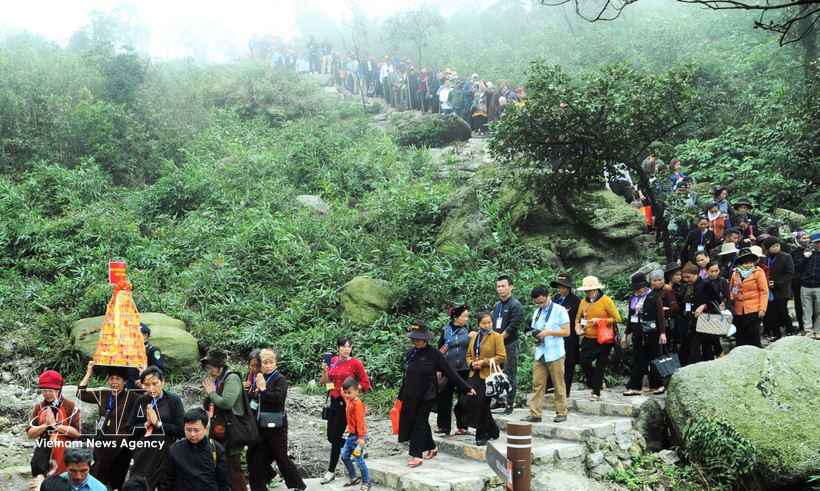
Visitors joining Tay Yen Tu Festival (Photo: VNA)

Hanoi (VNA) - Beyond offering opportunities for people to reconnect with their roots and experience distinctive historical and cultural values, traditional festivals are emerging as strategic resources that promote tourism and support local economic growth.

Running from February 18 to May 11, the Huong Pagoda Festival in Hanoi has drawn large crowds. On the opening day alone, tens of thousands of visitors arrived despite cold and rainy weather. Earlier, from the first to the fifth day of the Lunar New Year, the site welcomed nearly 136,000 visitors, up 138% year-on-year.

The Giong Festival at Soc Temple in Hanoi drew over 45,000 people during its three main days, while the Yen Tu Historical Complex in Quang Ninh welcomed more than 60,000 pilgrims in just three days after opening. Meanwhile, the Ba Chua Xu Festival at Nui Sam in An Giang province, now in its second year since being recognised by UNESCO as a Representative Intangible Cultural Heritage of Humanity, is expected to attract millions of visitors.

These figures highlight the growing appeal of festivals and their contribution to increasing visitor numbers and tourism revenues. Alongside more professional and orderly organisation, a shift in mindset among local cultural authorities - viewing festivals not only as spiritual practices but also as cultural tourism products - has significantly enhanced their attractiveness.

Interactive heritage tours and experiential activities are becoming key highlights. At the Con Son – Kiep Bac Spring Festival 2026 in Hai Phong, upgraded tourism routes have helped boost visitor numbers, with nearly 138,000 arrivals recorded between February 26 and March 8, up 30% year-on-year. New initiatives, including night tours and themed art performances at the Giong Festival and upcoming Hung Kings Temple Festival in Phu Tho, are also creating fresh visitor experiences.
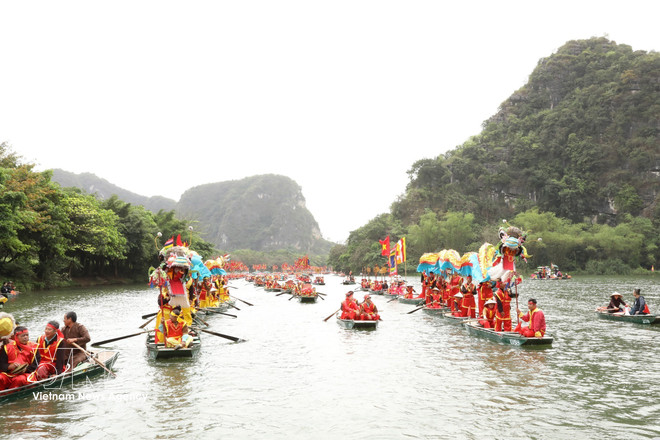
vnanet-trang-an.jpg
A scene of the Trang An Landscape Complex in Ninh Binh province, which is recognised by UNESCO in 2014 as a World Cultural and Natural Heritage Site. (Photo: VNA)

Across many localities, festivals are evolving beyond traditional cultural gatherings into drivers of heritage-based economic development. This transformation both preserves cultural values and enhances the competitiveness of local tourism destinations.

According to UN Tourism, festival tourism contributes more than 50 billion USD annually to Asian economies and over 200 billion USD worldwide. With more than 8,000 festivals, most linked to historical sites and long-standing cultural heritage, Vietnam holds significant potential to develop this tourism segment. National tourism strategies and cultural development policies have identified festival tourism as a priority direction, underscoring its importance for both cultural preservation and economic growth.

Despite positive results, only a limited number of festivals have been effectively upgraded. Many still lack distinctive highlights, while overcrowding during peak periods contrasts with low visitor numbers at other times. The overall ecosystem of festival tourism products remains underdeveloped, limiting longer visitor stays and higher tourism revenues.

Nguyen Van Tai, Director of Vietsense Travel, stressed the need for selective investment rather than widespread, uncoordinated development. Authorities should prioritise festivals with outstanding cultural value and strong tourism connectivity, while using festivals as catalysts linked with entertainment, cuisine, accommodation and experiential services to extend visitor stays.

From a research perspective, Pham Hai Quynh, Director of the Asian Tourism Development Institute, noted that many festivals lack a distinctive identity. He called for a shift from administrative management to visitor experience management, incorporating storytelling and digital technologies such as QR codes and virtual reality to deepen engagement, particularly among international visitors.

He also highlighted opportunities arising from administrative boundary adjustments, which could help connect heritage spaces and form thematic tourism routes. Although seasonality remains inherent, festivals can sustain vitality year-round through heritage experience spaces integrated with resort tourism, craft villages and culinary culture, ensuring both preservation and sustainable economic development./.
VNA

See more

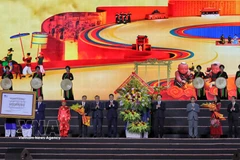
Politburo member, Secretary of the Party Central Committee and Chairman of its Commission for Inspection Tran Sy Thanh; and Deputy Prime Minister Mai Van Chinh congratulate Bac Ninh province. (Photo: VNA)

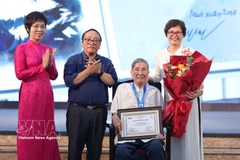
Ceremony marks UNESCO recognition of Dong Ho prints, Yen Tu complex

Bac Ninh–Kinh Bac is a land rich in historical depth and cultural heritage. Over centuries, it has nurtured a diverse cultural legacy integral to Vietnam’s identity. While Quan ho (love duet) folk singing symbolises the soul of the region, Dong Ho folk folk woodblock printings stands as a unique artistic heritage reflecting Vietnamese creativity and aesthetics.

The Vietnam Sports Economy Summit 2026 (VSES 2026) opens in Hanoi on March 27. (Photo: VNA)

Vietnam Sports Economy Summit 2026 explores pathways to new sector

For years, sports in Vietnam has been viewed mainly through the lens of elite performance and mass participation. However, global trends show that sports has evolved into a large-scale economic sector linked with media, tourism, sponsorship, event organisation, technology and consumer markets.

Young participants from India, Indonesia and Russia learn about the traditional pot-breaking game. (Photo: VNA)

Vietnamese culture showcased in colourful festival in Russia

Although the Vietnamese student community in Tomsk numbers only about 60 members, the event offered a rich and comprehensive cultural experience, demonstrating strong unity and pride in national identity. Beyond celebrating heritage, the festival served as a cultural bridge connecting Vietnam with international friends in Western Siberia.

The Con Dao delicacies booth draws strong interest from visitors. (Photo: VNA)

Vietnamese cuisine takes centre stage in global culinary showcase

Running from March 26 to 29, the event also highlights a series of key activities, including the honouring of 10 chefs behind signature regional dishes, recognition of 10 standout mixologists, and a Top 10 contest for the most dynamic and creatively designed booths.

Hue to offer immersive night tour of imperial heritage

Hue to offer immersive night tour of imperial heritage

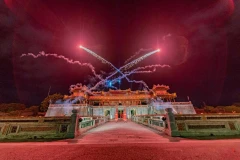
Elaborately staged, the programme vividly recreates the royal court at night through a series of artistic performances and immersive experiences. It opens with a guard-changing ceremony at Ngo Mon (Noon Gate), combined with cannon-fire effects to mark the opening of the palace.

The dribble and clinical finish by Hai Long to score. (Photo: VNA)

Vietnam beat Bangladesh 3-0 in international friendly match

The hosts came out on the front foot, pressing high and pinning Bangladesh deep in their own half from the opening whistle. The breakthrough arrived in the eighth minute when Tien Anh whipped in a corner and Tuan Hai finished from a close range to open the scoring.

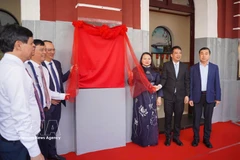
Delegates perform the ceremony to officially declare Hue Railway Station a tourist destination (Photo: VNA)

Heritage values maximised on central train journey

The Hue–Da Nang route is positioned not merely as transportation but as a cultural journey along one of central Vietnam’s most scenic corridors. With comprehensive upgrades, the “Central Heritage Connection Journey” is expected to become a must-experience tourism product in 2026.

The artists perform the ballet "The Nutcracker" at Ho Guom Opera House on March 25 (Photo: VNA)

Russian classic ballet enchants Hanoi audiences

From the opening scenes, the auditorium was transformed into a fairytale world, enhanced by elaborate staging and the timeless music of Pyotr Ilyich Tchaikovsky, including “Dance of the Sugar Plum Fairy” and “Waltz of the Flowers”. Technically demanding sequences such as leaps and pas de deux captivated the audience with their precision, harmony and expressive coordination.