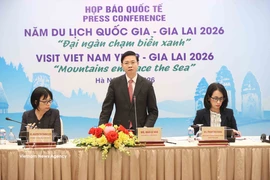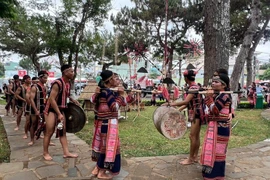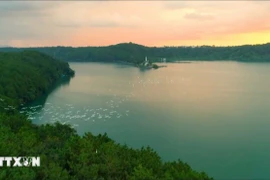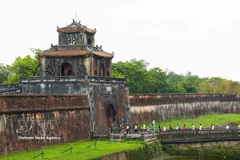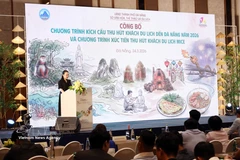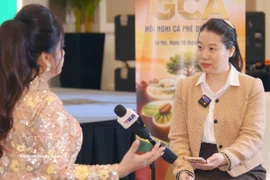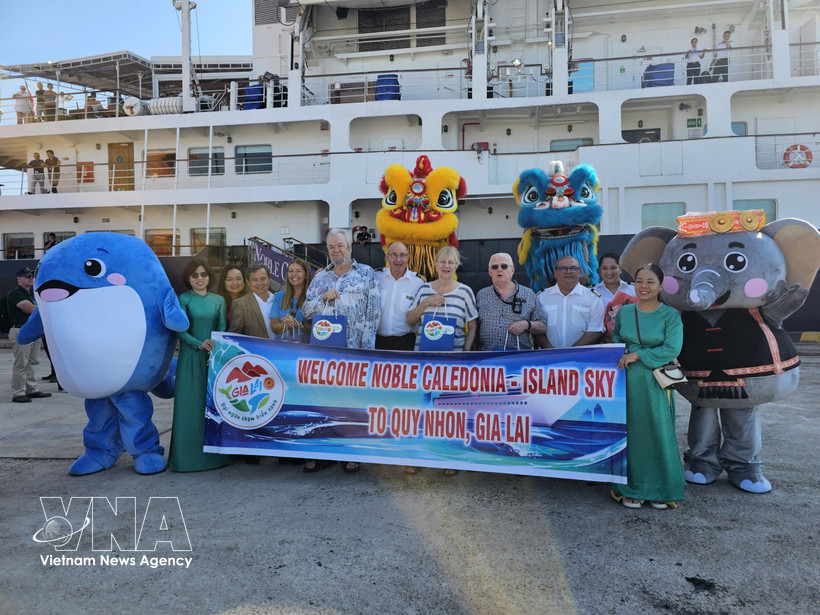
Gia Lai (VNA) – The Ministry of Culture, Sports and Tourism, in coordination with the Gia Lai provincial People’s Committee, held a forum titled “Gia Lai Tourism – Potential and Prospects” on March 27, bringing together more than 200 policymakers, experts, investors, and tourism businesses from home and abroad.
Opening the event, which is part of the Visit Vietnam Year 2026 – Gia Lai, Deputy Secretary of the provincial Party Committee Chau Ngoc Tuan underscored that Gia Lai identifies tourism as one of its five key economic pillars, aiming to develop its tourism sector toward 2030 in a sustainable, professional, and culturally distinctive direction, with culture, nature, and people at the core, while promoting digital transformation and regional connectivity as key drivers. The approach seeks to balance economic growth with environmental protection, cultural preservation, and improved living standards.
The forum served as a platform for stakeholders to exchange views, fully assess the province’s tourism potential and distinctive values, and identify bottlenecks hindering development. In addition to proposing breakthrough and feasible solutions, Tuan highlighted the importance of strengthening regional linkages between Gia Lai and neighbouring localities in the south central coastal and Central Highlands regions, thereby attracting investment and fostering competitive tourism products for both domestic and international markets.
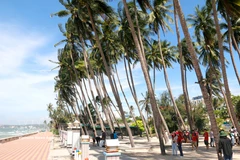
Addressing the forum, Deputy Minister of Culture, Sports and Tourism Ho An Phong noted that Gia Lai is entering a new phase of development, transitioning from “tapping potential” to “value creation and brand positioning.” With its unique geographical position bridging the Central Highlands and the south central coastal region, the province boasts a distinctive tourism ecosystem that harmonises forests, sea, culture, and history.
He called for a strategic focus on developing sustainable, green, and identity-driven tourism, positioning Gia Lai as a leading eco-cultural destination of the Central Highlands. Emphasis should be placed on originality and high-quality experiences rather than replicating existing models, he stressed.
The deputy minister also stressed the need to restructure tourism development space, ensuring each sub-region develops its own core products to avoid overlap and resource fragmentation. Four strategic pillars should be eco-tourism, high-end resort tourism, regional connectivity, and promotion, he said, adding that strengthening links between Gia Lai and major tourism hubs such as Ho Chi Minh City and Hanoi, as well as other provinces in the Central Highlands and south central coastal regions, will help create attractive inter-regional tourism chains.
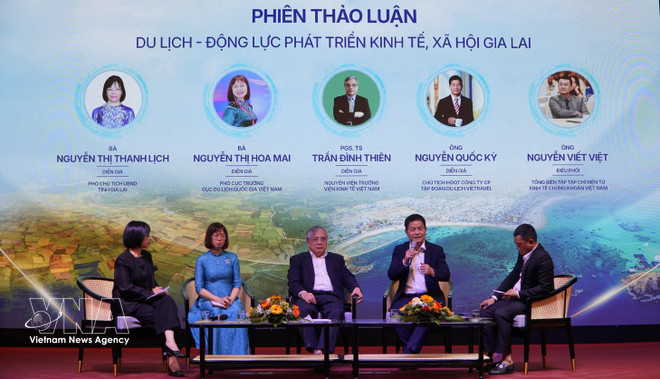
At a panel discussion on tourism as a driver of socio-economic development, participants explored ways to position Gia Lai within the national tourism system, identify its unique resources, and enhance its role in linking and adding value to other economic sectors. Another session focused on unlocking growth by addressing infrastructure gaps, improving connectivity, particularly in aviation, developing distinctive products such as night-time tourism, enhancing regional cooperation, and attracting strategic investors for large-scale projects.
At the forum, Gia Lai leaders reaffirmed their commitment to improving the investment climate, accompanying businesses, and creating the most favourable conditions for investors and partners to explore and develop tourism in the province./.