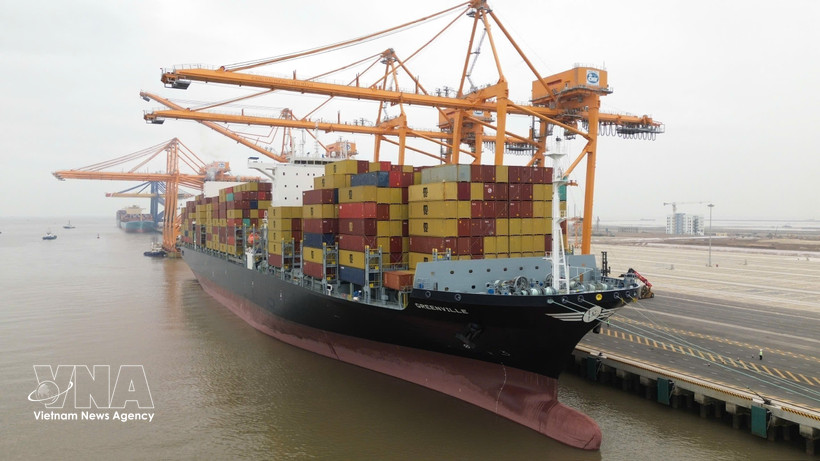
Hanoi (VNA) – Vietnamese enterprises is seeking measures to remain resilient while identifying strategic pathways for sustainable growth in an evolving global trade landscape.
This is an urgent move as the challenges of 2026 differ markedly from previous ones, shaped by overlapping external shocks ranging from geopolitical tensions disrupting supply chains to surging logistics and raw material costs, exchange-rate pressures, and increasingly complex tariff barriers in global markets.
Logistics pressures and exchange-rate challenges
Recent market developments reveal mounting cost burdens eroding business resilience. Conflicts in the Middle East and prolonged maritime security risks in the Red Sea have disrupted global shipping routes, forcing exports to Europe and the US East Coast to detour around the Cape of Good Hope, extending delivery times and sharply increasing freight costs.
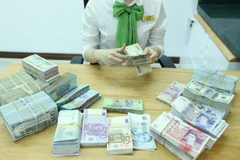
Dao Trong Khoa, Chairman of the Vietnam Logistics Business Association (VLA), noted that the logistics shock extends beyond rising war-risk and peak-season surcharges. Disrupted shipping schedules have slowed container circulation, leaving import-export firms increasingly vulnerable. Meanwhile, the strengthening US dollar against the Vietnamese dong has inflated import costs and freight payments - largely denominated in USD, further compressing already thin profit margins and heightening risks of cash-flow disruptions.
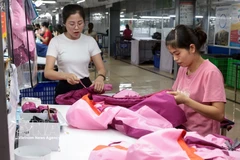
Key export sectors including wood products, textiles, footwear, steel and electronic components are also facing growing trade defence pressures.
Chu Thang Trung, Deputy Director of the Trade Remedies Authority of Vietnam under the Ministry of Industry and Trade, said stricter global requirements on origin verification and financial transparency represent a test of compliance capacity rather than a closure of export markets. Enterprises are therefore urged to strengthen risk management systems, align accounting practices with international standards, and maintain transparent supply-chain documentation.
The period of export growth driven primarily by low-cost labour and simple processing is gradually ending, making higher localisation rates and domestic material supply increasingly important safeguards.
Strategic adaptation amid uncertainty
Amid volatility, proactive adaptation has become a defining factor for business sustainability. Major export industries are restructuring strategies to maintain competitiveness.
The wood industry, heavily affected by tariff barriers and declining US demand, is actively diversifying markets. Ngo Sy Hoai, Vice Chairman and Secretary General of the Vietnam Timber and Forest Product Association (VIFOREST), said businesses are expanding into markets such as the Middle East, India and Australia while leveraging opportunities from new-generation free trade agreements including EVFTA and CPTPP.
At the same time, enterprises are shifting towards higher-value interior products and sustainably certified timber aligned with global green consumption trends. Current pressures, he noted, are accelerating industry restructuring and encouraging innovation.
By tapping niche markets and maximising advantages from Vietnam’s 16 effective free trade agreements, businesses can reduce dependence on single markets and better distribute risks geographically.
Institutional support for sustainable growth
Enterprises’ adaptation efforts require strong policy support. Government measures to maintain macroeconomic stability, flexibly manage exchange rates and remove institutional bottlenecks are acting as key stabilisers for the economy.
Hoang Quang Phong, Vice Chairman of the Vietnam Chamber of Commerce and Industry (VCCI), stressed that while geopolitical uncertainties and trade barriers remain external variables, internal governance capacity is within enterprises’ control. He emphasised that digital and green transformation (ESG) should be viewed as long-term investments rather than additional costs.
Businesses adopting low-emission production models and transparent governance standards will be better positioned to meet emerging carbon-related trade requirements in major markets such as Europe and the US.
The VCCI will continue proposing supportive policies, including extended tax relief and improved access to affordable credit, enabling enterprises to invest in technology and prepare for the next recovery cycle.
Ultimately, disruptions stemming from supply-chain fragmentation, rising logistics costs, exchange-rate pressures and tariff barriers are reshaping the competitive landscape. For Vietnamese enterprises, sustainable progress lies in shifting from contract manufacturing to value creation, and from selling available products to delivering transparent, green and sustainable solutions aligned with global demand.
With resilient entrepreneurship and continued institutional support, Vietnamese businesses are expected not only to weather current challenges but also strengthen their position in global value chains./.
See more
Businesses pivot strategies to sustain export growth momentum
Enterprises are shifting toward reasonably priced, easy-to-consume products such as tra fish, tilapia, canned items and surimi, instead of focusing mainly on high-end products like large-sized shrimp, which are facing weaker demand in some markets.
Hue accelerates tech upgrades, strengthens vessel monitoring to combat IUU fishing
During the first quarter, the Department of Agriculture and Environment worked closely with city police and the Border Guard Command to inspect and supervise so-called “three-no” fishing vessels — those lacking registration, licences, or inspection certification — along with boats deemed ineligible for operation in Thuan An, Quang Dien, Vinh Loc, and Chan May–Lang Co.
Efforts made to keep Bac Ai pumped-storage hydropower project on schedule
The project, which is included in the approved National Power Development Plan for 2021–2030 with a vision towards 2050, is developed to strengthen national energy security, support a circular economy and contribute to Vietnam’s commitment to achieving net-zero emissions by 2050, as pledged at the COP26 climate conference.
Experts seek to improve power dispatch in new energy era
Electricity demand is expected to rise strongly, while global energy markets remain volatile. In this context, rooftop solar and BESS are emerging as key solutions to improve flexibility and ensure supply, especially during peak periods.
Deputy PM demands stricter management, more decisive action against IUU fishing
Deputy PM Tran Hong Ha requested a thorough review and settlement of the 11 issues raised by the EC’s inspection mission during its working visit to Vietnam from March 10 to 19.
At least 10% reduction in pilotage service fees offered for all Vietnamese-flagged vessels
The timely and coordinated actions taken by regulatory authorities and the business community will not only help ease cost pressures but also ensure smooth maritime transport, and stabilise the supply of goods and energy for the economy.
National conference highlights AI trends, opportunities in Vietnam
AI is described as a core driver of innovation and growth rather than merely a supporting tool. It is necessary to build a strong academic community with closer links among research, training and real-world deployment.
Enterprises must pioneer in achieving double-digit economic growth from 2026: PM
Reports delivered at the conference showed that Vietnam had about 1 million active enterprises by late 2025, up more than 25% from 2020, contributing roughly 60% of GDP and employing more than 16 million workers. They also account for the bulk of the country’s trade turnover, while Vietnam ranks among the world’s top 15 destinations for foreign direct investment.
Vietnam has strong foundations for energy and fuel self-reliance: Australian expert
Leak assessed that Vietnam holds significant advantages, including abundant solar and wind resources supported by hydropower and battery storage, a growing electric vehicle industry, electrification-ready industrial sectors, and substantial biomass and bioenergy potential.
Vietnam tops Asia in financial wellbeing, yet long term financial freedom remains a challenge
Vietnam has emerged as the highest scoring market in Asia in terms of overall financial wellbeing, with a score of 65.1 out of 100, well above the regional average.
Vietnamese airlines adjust flight networks from April to optimise efficiency
The authority held a working session on March 24 with domestic airlines, aviation fuel suppliers, airport operators, and the Vietnam Air Traffic Management Corporation to discuss coordinated responses to current market challenges.
Vietnamese goods promotion: Greater transparency needed
As transparency, traceability and social responsibility increasingly become essential entry requirements, proactive compliance will give Vietnamese enterprises a clear advantage in building trust among international partners.
Opportunities for Vietnamese businesses to promote exports to African markets
Vietnamese exporters were advised to seek partners through reputable channels and to use secure payment methods, such as irrevocable letters of credit confirmed by trusted European or American banks, or documentary collection with a deposit of at least 20% of the contract value. Deferred payment arrangements should be avoided.
Prime Minister stresses firms’ role in double-digit growth target
While the Party and State will continue refining institutional framework, mechanisms and policies, Prime Minister Pham Minh Chinh made clear that enterprises must be the main drivers of growth. He urged them to take greater responsibility for rapid and sustainable development, while actively contributing to institutional reform.
Aviation authority grants Qatar Airways permission for three flights
According to the authority, these flights will not carry domestic passengers on the Hanoi–Ho Chi Minh City leg. Instead, they are intended to transport passengers affected by the exceptional situation in the Middle East, while gradually restoring air transport activities between Qatar and Vietnam, including passengers, cargo and parcels.
Higher deposit rates, tighter liquidity dampen demand for equities
Banks, particularly small and medium institutions with weaker deposit bases, are likely to continue raising deposit rates in the short term to attract funding and sustain credit growth.
Reference exchange rate falls slightly on March 27
The State Bank of Vietnam set the daily reference exchange rate at 25,100 VND/USD on March 27, down 2 VND from the previous day.
Vietnam cuts fuel taxes to zero till April 15 to stabilise energy market
The cuts are expected to ease the burden on households and help firms sustain production and trade, even as it trims state budget revenue by an average of about 7.2 trillion VND (276.9 million USD) per month.
Vietnam steps up rice market diversification through FTAs
Effective utilisation of free trade agreements (FTAs) has also been identified as a key solution to expand export markets. Authorities are incorporating rice into support roadmaps helping enterprises maximise FTA benefits while accelerating negotiations to expand tariff quotas with partners such as the EU and the UK.
Fuel prices continue to fall from midnight on March 26
According to the MoIT, Vietnam’s fuel prices remain at an average level in the region and are lower than those in neighbouring countries sharing land borders.