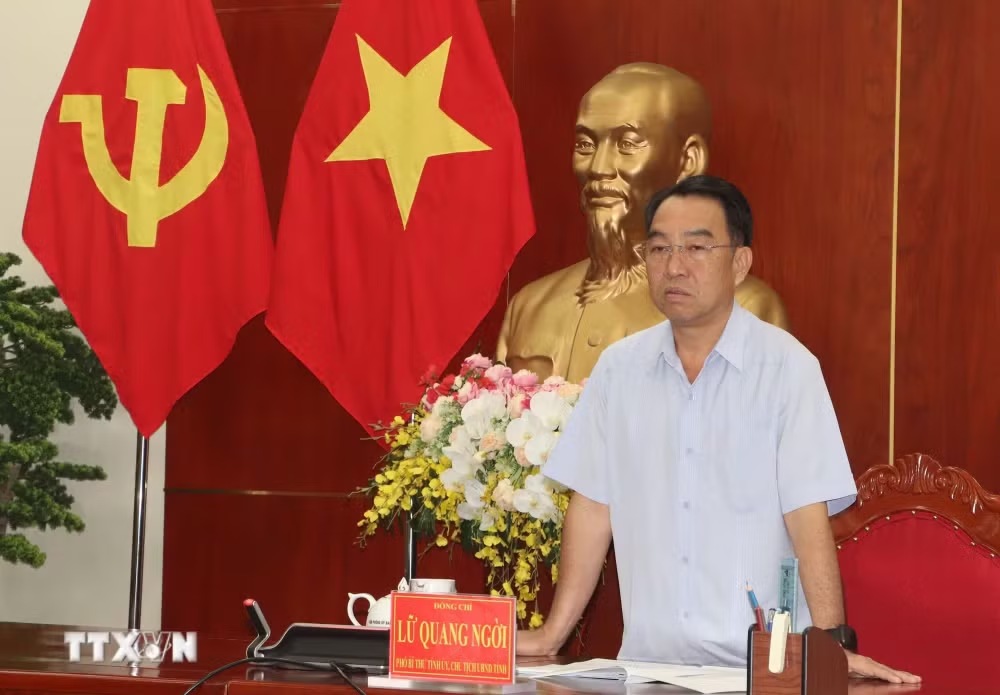
Hanoi (VNA) – Ca Mau province is determined to gradually build itself into a centre for the marine economy, renewable energy and aquaculture processing in the Mekong Delta, contributing to promoting the country’s marine economy, said Lu Quang Ngoi, Deputy Secretary of the Party Committee and Chairman of the People’s Committee of Ca Mau province.
In an interview with VietnamPlus e-newspaper, Ngoi said the locality would make the marine economy one of its key growth drivers, while pursuing green and sustainable development.
Towards becoming global hub for shrimp industry
According to Ngoi, the merger of Bac Lieu and Ca Mau into the new Ca Mau province has created a larger and more interconnected development space, enabling the province to better integrate its advantages in marine resources, seafood, energy, seaports, logistics and tourism.
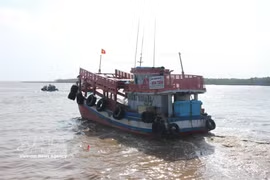
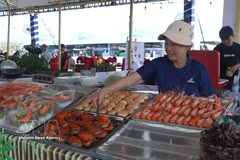
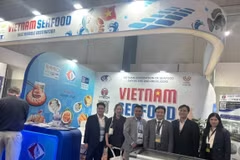
The merger has also helped form a large-scale seafood value chain. The province now has about 424,185ha of aquaculture, six fishing ports, numerous storm shelters and 89 seafood processing plants for export. Its seafood products are exported to more than 60 countries and territories.
Ca Mau currently leads the country in shrimp production and aims to become a global hub for the shrimp industry, targeting about 17 billion USD in seafood export revenue during 2026–2030, he said.
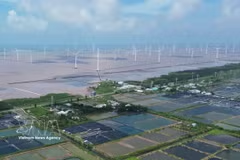
The expanded development space also offers significant potential for clean energy. Ca Mau has an estimated wind power potential of more than 25,000MW and solar power potential of over 11,500MW, along with favorable conditions for developing LNG, green hydrogen and green ammonia.
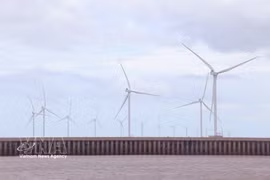
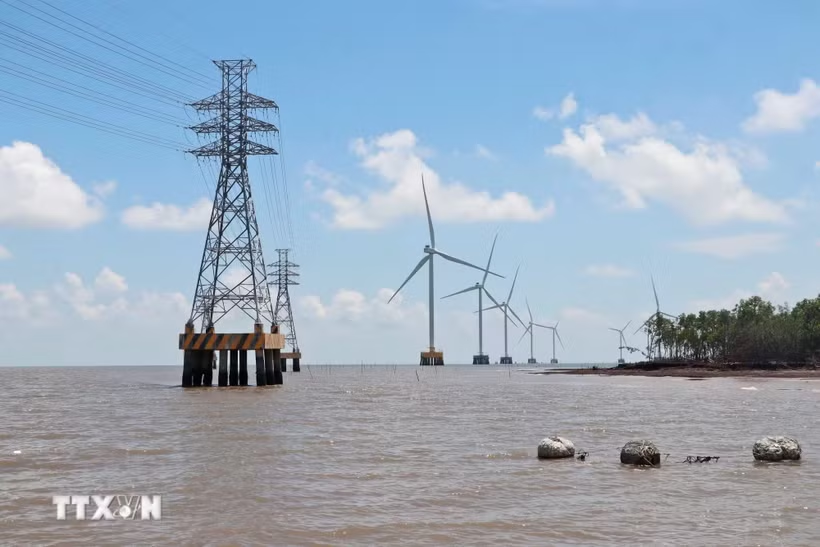
To date, 28 wind power projects with a combined capacity of 1,740.2MW have received in-principle investment approval. The province aims to become a renewable energy and power export hub for the Mekong Delta region and the country.
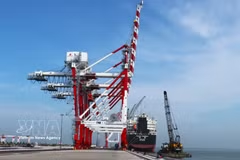
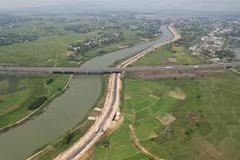
Ca Mau also plans to develop an integrated marine economic corridor linking Ganh Hao, Song Doc, Nam Can, Hon Khoai and Dat Mui, with a focus on seaports, maritime transport, logistics, processing and international trade. The province will also capitalise on major infrastructure projects, including the Ca Mau-Dat Mui expressway, the expansion and upgrading of Ca Mau Airport, and the Hon Khoai general-purpose dual-use port.
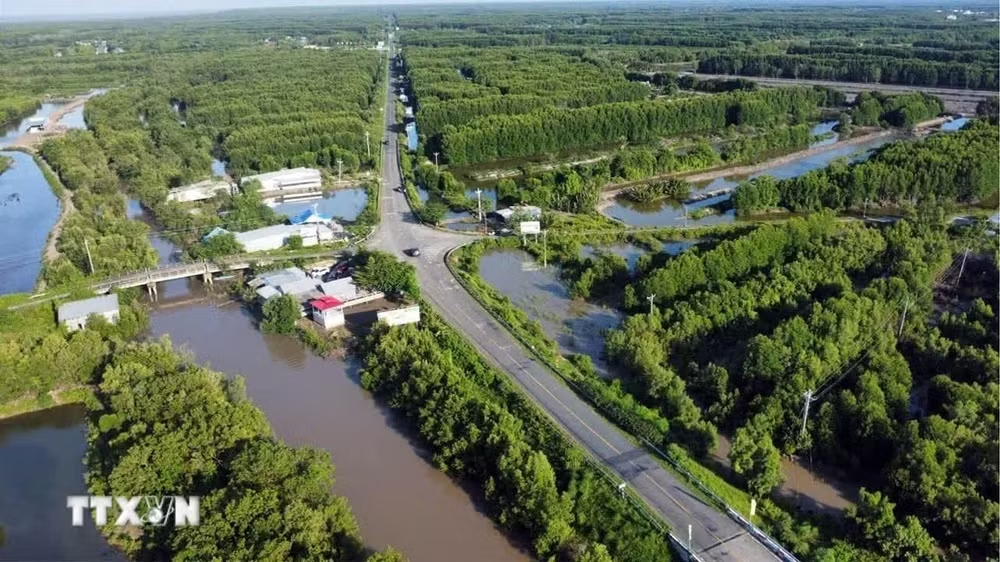
The province will seek to further tap the potential of mangrove forests, biodiversity, carbon credits, the green economy, and island and marine tourism, while expanding cooperation and attracting strategic investors from Vietnam and abroad.
After the merger, Ca Mau has not only expanded its development space but also increased its value, Ngoi said, stressing that the marine economy would be developed in an integrated and interconnected manner, linking raw-material areas with production, processing, logistics, seaports, energy, trade and exports.
Turning offshore wind into new growth driver
With three sides bordering the sea, a coastline of more than 310km and average stable offshore wind speeds of 6.5-7m/s, Ca Mau has technical potential for more than 25,000MW of wind power, Ngoi said.
Of this, offshore wind power is estimated to have development potential of up to 10,000MW for supplying the national grid and exporting electricity.
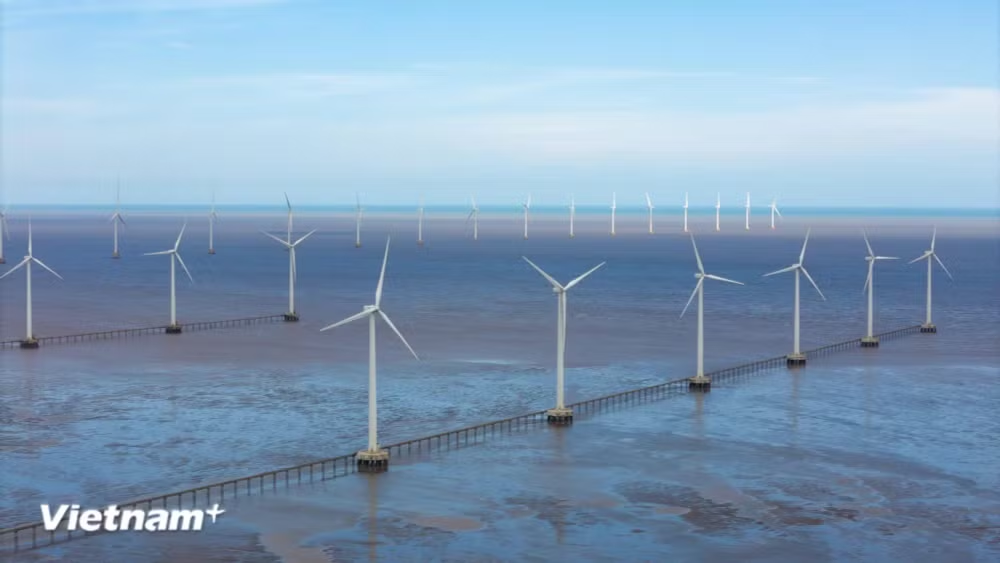
The potential has been recognised in the adjusted provincial planning. The province has also reported to the Ministry of Industry and Trade on four potential projects with a combined capacity of 9,000MW, paving the way for their consideration for inclusion in the national power development plan. It has also guided investors in preparing proposals to the Ministry of Agriculture and Environment for the allocation of sea areas for research and surveys for offshore wind projects.
However, offshore wind remains a new form of investment and faces difficulties, particularly because mechanisms and policies for the sector remain limited.
To turn its advantages into growth drivers, Ca Mau will focus on addressing infrastructure and power transmission, mechanisms and investment policies, human resources and supporting industrial ecosystems.
The province will coordinate with central ministries and sectors to resolve issues related to marine spatial planning, power planning and transmission infrastructure, while improving the investment environment, shortening procedures within its authority and accompanying businesses in project implementation.
It also aims to develop services, logistics, engineering, maintenance, operations and human-resource training for the renewable energy sector, so that greater added value can be retained locally.
Ngoi stressed that offshore wind development must ensure marine ecosystem protection, maritime safety and benefits for local communities, particularly fishing communities.
“Open door” for long-term investors
Ngoi said Resolution No. 20-NQ/TW provides an important opportunity for Ca Mau to develop offshore wind into a key economic sector. The province will translate the resolution into concrete projects, complete planning and preparations, improve the investment environment and strengthen regional links to build an interconnected offshore wind value chain towards power exports.
By 2045, Ca Mau aims to make the marine economy a major growth driver while pursuing green and sustainable development that balances economic growth with environmental protection, climate change response and national defence and security.
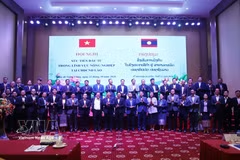
Ngoi called on investors to pursue long-term, environmentally responsible projects and urged local residents to help protect the sea, forests, environment and cultural identity as foundations for sustainable development./.