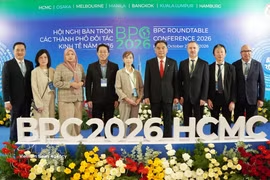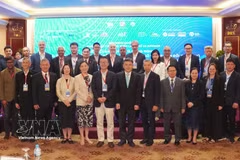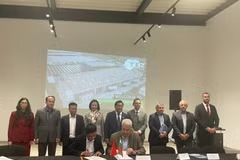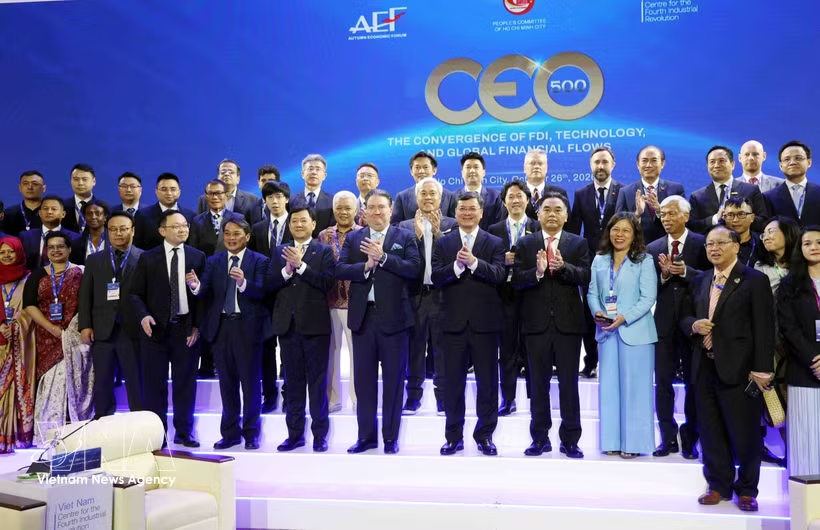
Ho Chi Minh City (VNA) - Ho Chi Minh City is staking its next phase of growth on infrastructure, finance, energy and digital economy, heard the CEO 500 Programme themed "Convergence of FDI, technology and global financial flows", part of the 2026 Autumn Economic Forum, on October 26.
Linking capital flows with four new growth drivers
Nguyen Cong Vinh, Vice Chairman of the municipal People’s Committee, said the dialogue is meant to do more than raise funds. The city wants to work with investors to pinpoint new opportunities, solve specific development problems and build growth momentum as technology advances quickly and global capital shifts.
According to him, the merger with Binh Duong and Ba Ria-Vung Tau has enlarged the city’s economic and urban footprint, giving it more room for large-scale projects. New policies, including the Politburo’s Resolution 10-NQ/TW on foreign-invested sector development, Resolution 19-NQ/TW dated July 28, 2026 on renewing Vietnam’s growth model, and the Urban Development Law, should let the city step up decentralisation and delegation of authority in planning and resource mobilisation.
Competing for global capital, the city is targeting quality FDI in finance, technology, digital transformation, green economy, sustainable development and innovation. It aims to draw 19 billion USD in FDI in 2026, he said.
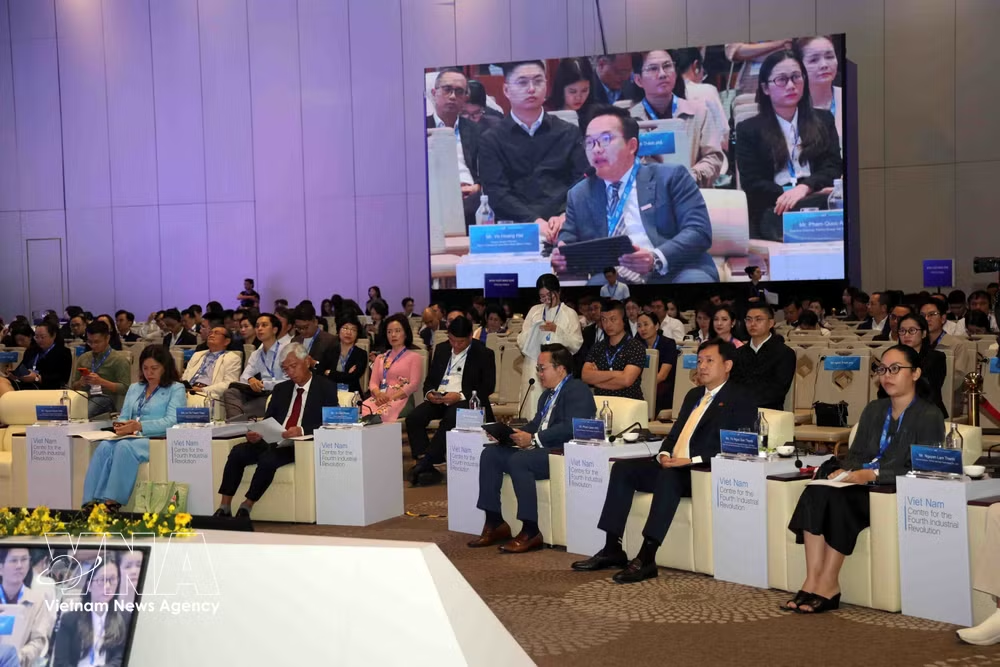
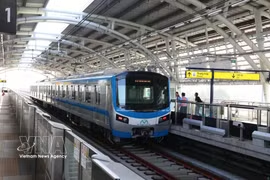
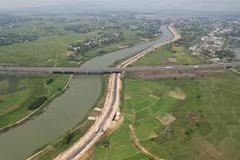
The city has set four priority areas for talks with the business community. In infrastructure, it is pushing transit-oriented development (TOD), seaports, logistics and free trade zones, which can widen its economic footprint, improve connectivity and support production and trade.
In finance, the city wants the Vietnam International Financial Centre (VIFC) in Ho Chi Minh City to become a conduit to regional capital and markets. It is asking global financial institutions to join from the outset and help define conditions, procedures and an operating roadmap.
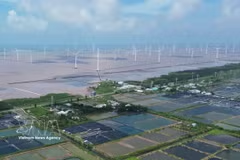
In energy, reliable clean power is increasingly a prerequisite for urban, industrial and logistics projects. The city wants investors to settle on the right models, priority areas and rollout timelines.
In the digital economy and technology, Ho Chi Minh City is focusing on data infrastructure, artificial intelligence, high-tech zones and a regulatory sandbox where companies can test, deploy and scale technology solutions.
Vinh said the city expects substantive discussions on investment opportunities, funding needs, support mechanisms and timelines. Proposals made at the programme should become projects, initiatives and partnerships that can actually be delivered, with clear tasks, roles and timelines.
It also wants to serve as Vietnam’s gateway to global and regional capital, technology, markets and resources. That will let companies tap the domestic market, link up with manufacturing, logistics, finance and technology hubs, and expand across the region, he added.
Investors flag workforce, supply chain gaps
Nick Chong, Southeast Asia Investor Advisory Leader at Arup Group, said the Government must invest in a workforce suited to advanced manufacturing and innovative industries. That would help Vietnam move up the value chain and attract more high-tech projects.
Coordinated planning and network-style infrastructure will help companies scale up production. Projects still need to be economically viable, able to attract capital and structured with clearly defined roles for each stakeholder, he said.
Peter James Opdahl, President of ITO Group Holdings, said the “green lane” investment mechanism has given companies the framework they need to move faster and bring new factories online.
Even so, he said Vietnam needs deeper supply chains to compete with long-established industrial economies such as Japan, the Republic of Korea and China. A stronger domestic market will also open opportunities, especially for small companies with limited experience and market access abroad.
Vietnam needs about 1.4 trillion USD in infrastructure investment through 2045. Meeting that will take the public and private sectors and international financial institutions together, said Don Lam, CEO and Founding Partner of VinaCapital.
With Vietnam targeting annual economic growth of 8-10%, he said the VIFC could help financial organisations find investment opportunities and channel global capital into infrastructure and domestic development./.