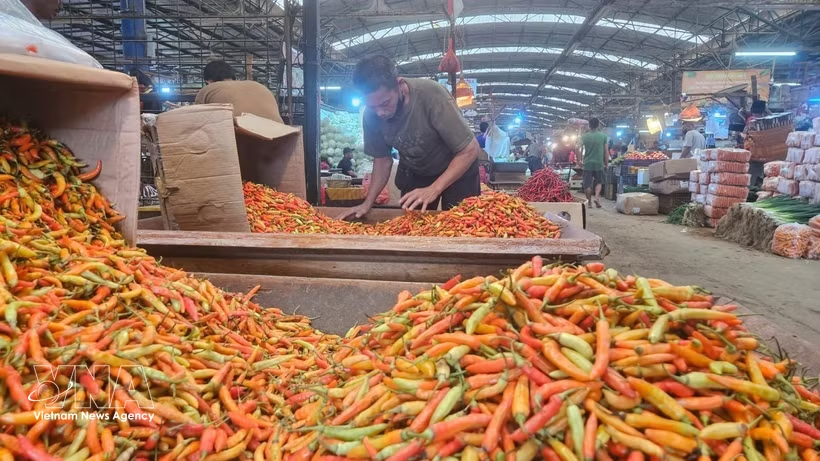
Jakarta (VNA) – Indonesia is considered to be maintaining robust food security amid increasing global pressure, thanks to stable domestic production and effective regulatory policies.
According to the National Food Authority (Bapanas), the majority of the population’s food needs are currently met by domestic supply, significantly reducing reliance on imports. The 2026 food balance forecast indicates that Indonesia will only need to import three out of ten strategic commodities, while key products such as rice, corn, chili peppers, chicken, eggs, and sugar will be fully supplied domestically.
Rice production continues to be a crucial pillar for Southeast Asia’s most populous nation. In 2026, Indonesia is expected to have approximately 12 million tonnes of rice carried over from the previous year, supported by annual production of around 34.7 million tonnes. With projected consumption of 31.1 million tonnes, national rice reserves could reach approximately 16 million tonnes by the end of the year.
The National Logistics Agency (Bulog) has been tasked with prioritising domestic rice procurement to strengthen the country’s food self-sufficiency programme. The agency currently holds over 4.7 million tonnes in reserves and may soon reach 5 million tonnes. As of mid-April, domestic procurement had reached nearly 1.9 million tonnes, equivalent to 48.7% of the annual target.
Notably, Malaysia is reportedly interested in importing at least 200,000 tonnes of rice from Indonesia. Bulog is exploring the possibility of meeting this demand and developing a suitable cooperation framework, opening up prospects for expanding rice exports to neighbouring countries.
In addition to rice, Indonesia has also made positive progress in corn self-sufficiency, with imports of this feed ingredient having ceased last year. Currently, imports are concentrated on only a few items such as soybeans, garlic, and beef, while the government continues to promote domestic production./.