Hanoi (VNA) - Thanks to the effective implementation of the movement "All people unite to build a cultural life" and the National Target Programme on New Rural Development, Sin Suoi Ho commune in Lai Chau province is taking on a new look, helping improve living standards and strengthen the great national unity bloc.
The border commune established a Steering Committee to implement these movements, focusing on developing plans, assigning specific tasks, and urging local Party cells and mass organisations to implement the initiatives, producing clear and positive changes.
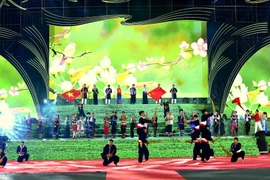
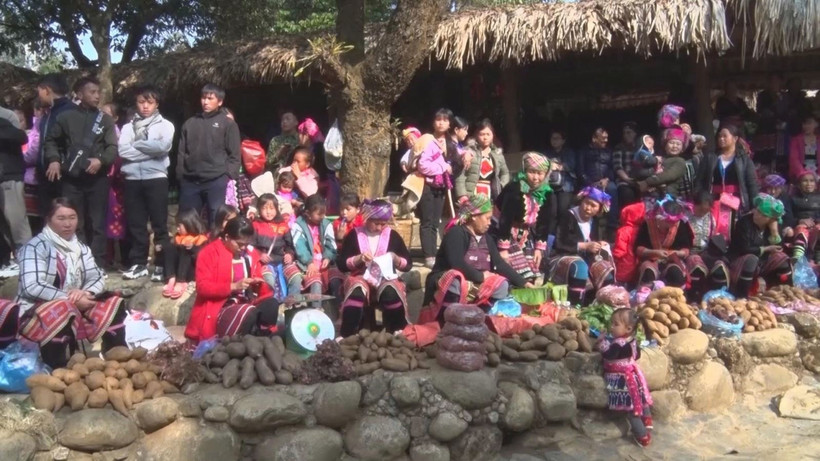
Currently, 74.6% of households in the commune have earned the “cultural family” title, 33 villages are recognised as “cultural villages,” and all local agencies and units meet cultural standards. Forty-four art troupes are active, and many outdated customs have been eliminated. Attention has been paid to preserving traditional cultural values linked to promoting community-based tourism development.
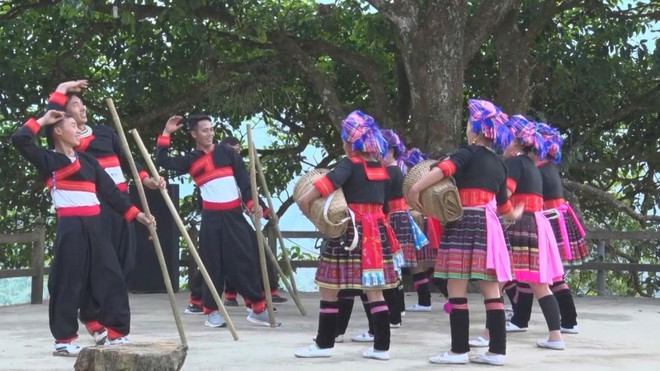
Previously, limited public awareness in Lo Thang 1 village, Sin Suoi Ho commune, led to early and consanguineous marriages, and prolonged bride-price practices. In recent years, persistent community education has helped eliminate many of these customs. Beyond mere compliance, villagers now actively preserve cultural values and foster community spirit—for example, gathering every Saturday to clean the village, a simple practice that contributes to a cleaner and greener living environment.
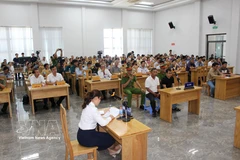
According to Lo A Chan from Lo Thang 1 village, the village maintains regular community activities and meetings to inform residents about the Party’s policies and the State’s laws. Cultural and sports activities have also been promoted.
To date, Lo Thang 1 village has persuaded residents to convert 43 ha of sloped land to tea cultivation areas. Income from tea has helped stabilise local livelihoods, with many households earning 100–150 million VND (3,791- 5,686) per year, contributing to ensuring food security and reducing social vices.
Lo Thi Du, Secretary of Lo Thang 1 village’s Party cell, said the village has stepped up efforts to educate residents on the Party’s and State’s policies, as well as local directions on cultivating high-value crops. She added that the village became a standout example in the commune’s movement for community solidarity in building a cultural lifestyle.
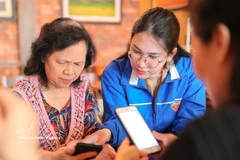
The women’s union of Sin Suoi Ho commune currently has 35 affiliated chapters with over 2,400 members. It regularly organises training on livestock and crop farming and manages 13 savings-and-credit groups with a total outstanding loan of nearly 40 billion VND, creating favourable conditions for more than 500 members to access funds for economic development.
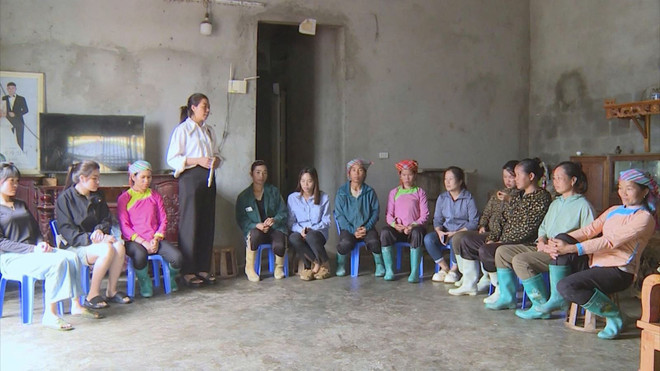
Thanks to these resources, many agricultural production models developed well, generating incomes of 100 – 150 million VND per year. These achievements have significantly contributed to restructuring the rural economy, improving the living conditions for residents and supporting the development of new-style rural areas in the border region.
As part of the national target programme on new rural development, Sin Suoi Ho Commune has strengthened leadership and supervision, assigning specific tasks to each organisation and individual. The awareness-raising campaigns have been intensified in various forms.
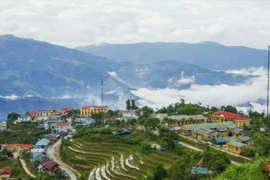
Nguyen Manh Cuong, Chairman of the commune People's Committee, said the new Sin Suoi Ho commune was formed by merging three communes - Then Sin, Nam Xe, and Sin Suoi Ho. It is home to over 16,000 people from five ethnic groups. The local authority considers the development of cultural life alongside new rural development as a key political task and a driving force for comprehensive development.
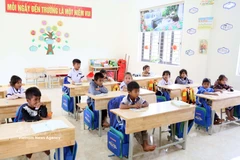
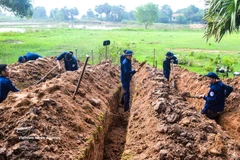
Practical and community-focused measures have brought visible changes to this border locality. To date, 97% of commune and village roads have been concreted, and all schools and health stations have been upgraded. Average per capita income reaches nearly 38 million VND per year. The commune has met 15 new-style rural development criteria. The local residents donated over 20 hectares of land, contributed 6,000 working days, and more than 1 billion VND to build infrastructure.
The commune boasts the 3-star OCOP-certified Seng Cu rice. It has developed many agricultural and community-based tourism models, including Sin Suoi Ho, Bach Moc Luong Tu, Rang Cua Mountain, and the ancient Pavi stone road./.