Vientiane (VNA) – Laos has renewed its anti-corruption campaign, with the country's top leadership ordering faster handling of outstanding cases and an end to prolonged delays in investigations, prosecutions, trials and the enforcement of court judgments.
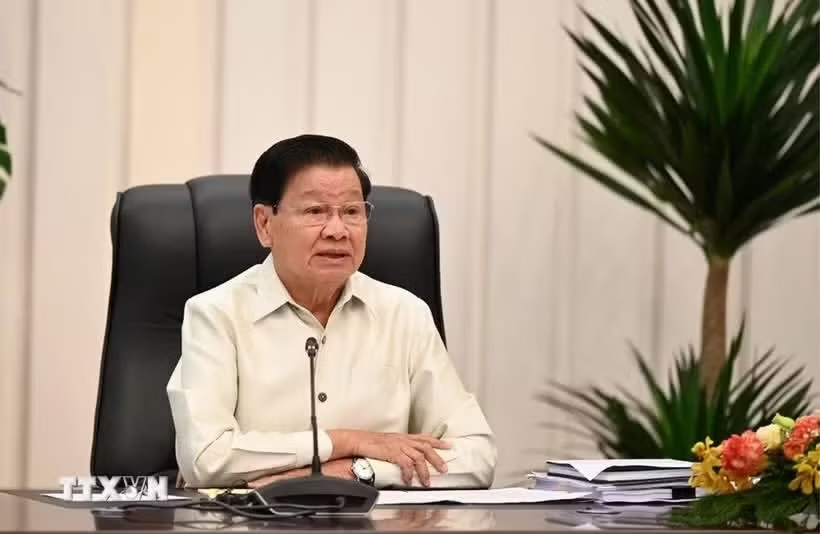
Speaking at the closing session of the fifth national inspection conference on July 2, Party General Secretary and President of Laos Thongloun Sisoulith said inspection work should go beyond recognising good practices to uncovering shortcomings, misconduct and law violations, while fully assessing the losses caused to the State, organisations, individuals and the legitimate interests of citizens.
He directed authorities to clearly establish accountability, determine the causes and motives behind violations, and deal with offenders in strict accordance with the law.
Reaffirming the country's anti-corruption stance, Thongloun stressed that there must be "no off-limits zones and no exceptions" in inspections or the fight against corruption and other forms of misconduct.
To strengthen inspection effectiveness, he instructed specialised agencies to modernise inspection methods and accelerate the settlement of long-pending cases. Violations should be promptly reported and investigated, with disciplinary measures imposed where appropriate and criminal cases transferred immediately to prosecutorial authorities for legal proceedings and monitored through to completion.
The leader also called for decisive action to remove persistent bottlenecks across the law enforcement system, including backlogged prosecution files, delayed court hearings and slow enforcement of final judgments, saying such shortcomings could no longer be tolerated.
He urged further improvements to the legal framework governing inspection and anti-corruption work, alongside stronger public communications on inspection findings and follow-up actions to raise awareness of the damaging impact of corruption.
The Lao leader also warned that inspection agencies at all levels must never become places for bargaining, compromise or shielding wrongdoings. He called for stronger institutional capacity across the inspection, judicial and legal systems, tougher disciplinary action against inspectors who violate regulations, and greater protection for officials who act with integrity and defend the public interest./.