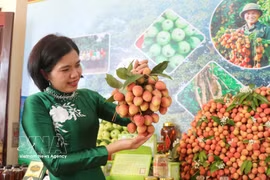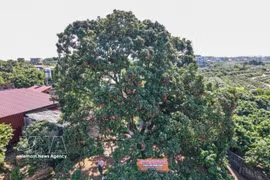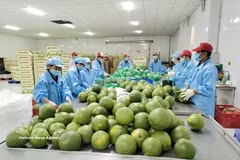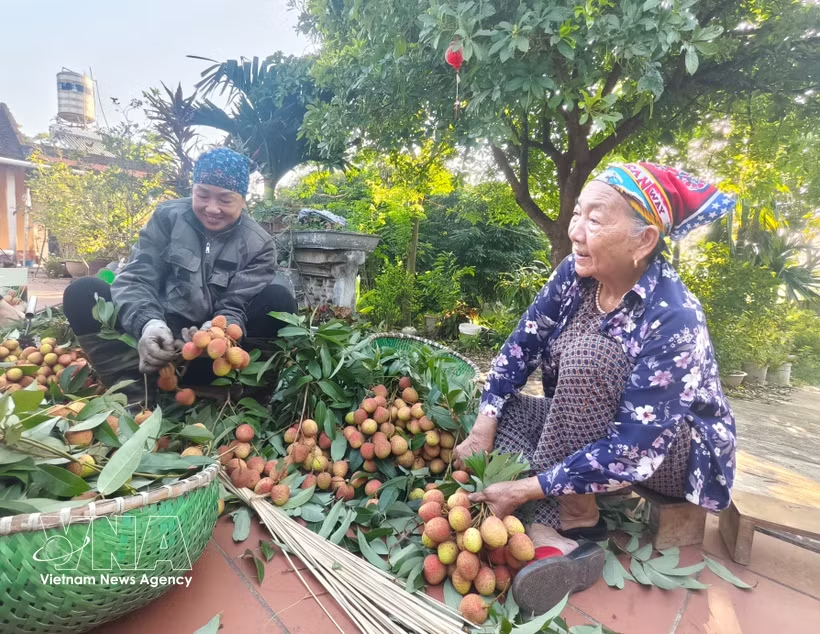
Bac Ninh (VNA) – While lychee output in the northern province of Bac Ninh is estimated to fall by more than 50% this year due to unfavourable weather during the flowering stage, farmers are still enjoying a successful harvest season as prices stay at record highs.
The province is home to more than 29,800ha of “thieu” lychee orchards, with total output expected to reach around 125,000 tonnes in 2026. As the peak harvest season gets underway, growers are rushing to bring in the crop.
Busy harvest season
The main lychee harvest in Bac Ninh began on June 10 and is expected to continue for about a month. Despite poor flowering and fruit-setting rates caused by adverse weather conditions, farmers have applied advanced cultivation techniques and intensified orchard management to improve fruit quality.
Nguyen Van Hung, a grower in Chu ward known for producing high-quality lychees, said his family’s two-hectare orchard is expected to yield around 10 tonnes this year, down 50% from previous seasons. However, thanks to careful cultivation and the application of modern farming techniques, the fruit quality remains high, with attractive appearance and consistent quality.
During the peak harvest period, Hung and his family hire additional workers to pick lychees early in the morning for delivery to traders. He said growers are pleased despite the lower yield as prices are two to three times higher than in previous years, ranging from 70,000–80,000 VND (2.6–3 USD) per kilogramme. Prices could rise to 100,000 VND per kilogramme toward the end of the season as supplies tighten.
Tran Van Bon, who grows more than one hectare of lychees in Nam Duong commune, said his fruit is currently being purchased at an average price of 60,000 VND per kilogramme, even over 70,000 VND, doubling the level recorded during the same period last year.
He noted that weather conditions during fruit development and ripening were favourable, resulting in sweeter fruit and better appearance. Local crop protection officers have also guided farmers on safe production practices and proper pesticide use to meet domestic and export market requirements while ensuring a safe experience for visitors.
Expanding market access
Nguyen Bien Thuy, Vice Chairman of the People’s Committee of Phuc Hoa commune, said more than 80% of the commune’s lychee-growing area follows VietGAP or GlobalGAP standards, with over 30% holding valid VietGAP certificates.
With support from authorities, the commune is seeking new VietGAP certification for 30ha and GlobalGAP certification for 17ha this year. The move aims to improve product quality, enhance consumer confidence and strengthen market competitiveness, he added.
To support lychee sales, local authorities organised meetings and business networking events ahead of the harvest season. Enterprises have proactively surveyed farming areas and signed procurement contracts for large volumes. Cold-chain logistics have also been expanded, with hundreds of refrigerated containers serving export to demanding markets.
In Nam Duong commune, the total lychee-growing area exceeds 1,042ha, including 645ha of early-ripening varieties. More than 1,020ha are cultivated under VietGAP standards while total output is estimated at over 2,500 tonnes this year.
Le Tuan Anh, Chairman of the Nam Duong People’s Committee, said the commune is focusing on digital transformation and e-commerce to expand markets and improve product value. Livestream sales campaigns are being promoted to raise the profile of the local lychee-farming region and reach more consumers.
The commune is also strengthening digital connectivity between producers, cooperatives, businesses and consumers to reduce intermediaries and improve farmers’ incomes. Besides, efforts are under way to expand sales through e-commerce platforms, modern distribution networks and logistics services.
Prices are expected to rise further in the coming weeks, helping increase incomes for local growers./.

Over 16,000 tonnes of fresh lychees exported to China through Kim Thanh border gate
More than 16,000 tonnes of fresh lychees worth nearly 11 million USD were exported to China through Kim Thanh International Border Gate No. 2 from the start of the harvest season through June 14.