Hanoi (VNA) – There have been zero recorded cases of Hantavirus in Vietnam caused by the Andes strain associated with the outbreak aboard a Dutch-flagged cruise ship, according to the Department of Preventive Medicine under the Ministry of Health.
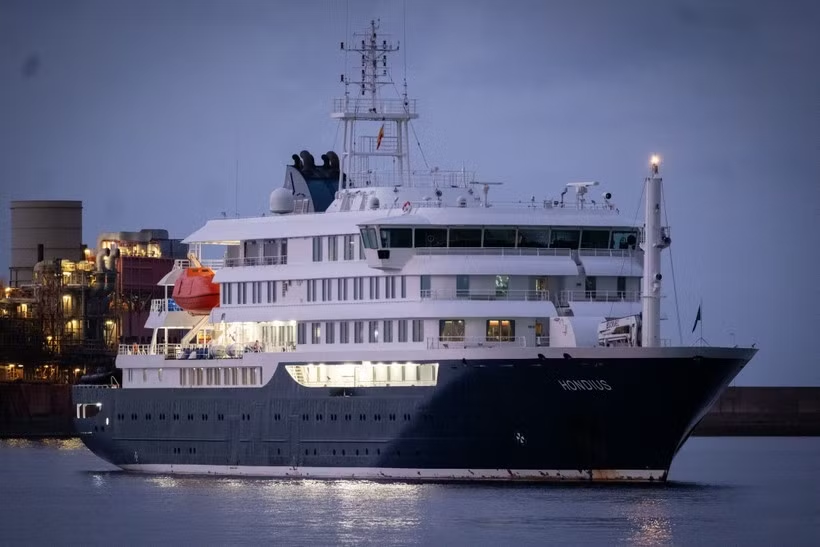
According to the latest public update from the World Health Organisation (WHO), eight cases, including three deaths, were identified on the MV Hondius, a Dutch-owned expedition cruise ship launched in 2019 and operated by Oceanwide Expeditions. Two of the fatalities were not laboratory-confirmed before death, while testing was conducted on six cases.
The WHO assessed the risk to passengers and crew members as moderate, while the overall global risk remains low. The agency also stressed that the transmission pattern of Hantavirus differs from that of COVID-19.
Investigations into the source of infection are ongoing. WHO experts currently believe the index case may have contracted the virus through exposure to contaminated environments or infected rodents during outdoor travel activities before boarding the ship. Limited person-to-person transmission may then have occurred on board through prolonged close contact.
Vietnamese authorities cautioned the public against speculating about transmission routes involving the ship, food, drinking water or other factors before official conclusions are released.
Under WHO guidance, people who were on the vessel or related flights are advised to monitor their health for 42 days after their last potential exposure.
Early symptoms include headache, dizziness, chills, fever, muscle pain and gastrointestinal problems such as nausea, vomiting, diarrhea, and abdominal pain. The WHO also recommends frequent handwashing.
For high-risk contacts, the WHO advises active monitoring and home or facility-based isolation during the 42-day observation period. Low-risk contacts are not required to quarantine but should self-monitor and seek medical attention if symptoms appear.
The Department of Preventive Medicine has instructed local authorities to strengthen surveillance at border gates and healthcare facilities, disinfect vehicles and intensify rodent control while implementing other disease prevention measures.
It noted that Hantavirus is familiar in Vietnam’s disease surveillance system. Previous studies in the country have identified evidence related to other strains, including the Seoul virus. However, no cases involving the Andes strain have been recorded.
The department urged the public not to panic or assume the cruise ship cluster represents a widespread outbreak risk in Vietnam.
People are advised to maintain environmental hygiene and rodent control measures to reduce the risk of rodent-borne diseases.
Anyone developing symptoms such as fever, muscle pain, fatigue, digestive problems, cough, chest tightness or breathing difficulties after contact with rodents, rodent waste or rodent-infested areas should seek medical attention promptly and inform healthcare providers about their exposure history, the department said.
The department added that it will continue coordinating with the WHO and relevant agencies to monitor developments, assess risks and implement appropriate response measures.
Hantavirus disease is an acute infectious disease transmitted from rodents, particularly rats, to humans through contaminated food, rodent bites, contact with infected rodent waste or inhalation of virus-containing dust. Human-to-human transmission is extremely rare but has previously been reported in outbreaks involving the Andes virus strain in South America.
The incubation period ranges from two to four weeks and may extend to eight weeks. Symptoms include fever, chills, headache, muscle pain, nausea and diarrhoea, which can later progress to coughing, breathing difficulties, low blood pressure and respiratory failure.
There is currently no specific treatment for Hantavirus disease, with care mainly focusing on monitoring, supportive treatment and intensive care./.