Urgent measures ramped up to stabilise market amid rising costs

Authorities are urgently rolling out measures to stabilise the market as surging input costs place unprecedented pressure on the retail market, with suppliers pushing for price hikes and supermarket systems striving to keep prices in check.

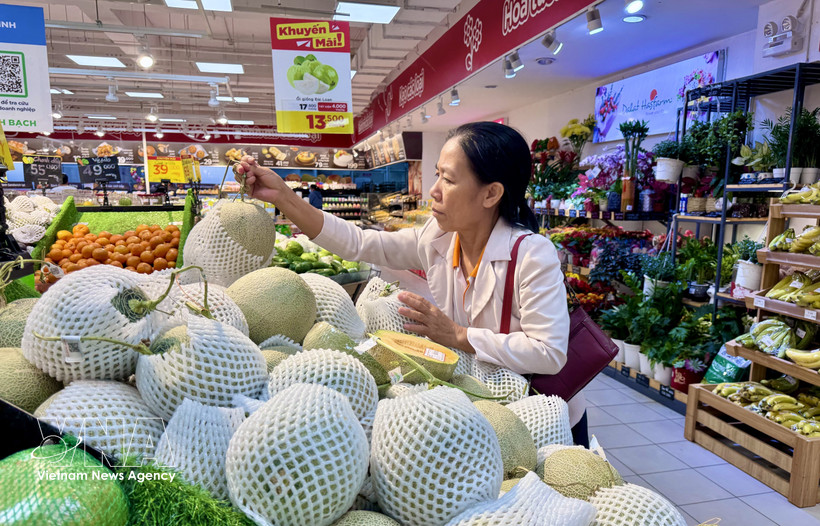
A consumer chooses fruits at a GO! supermarket in Ho Chi Minh City (Photo: VNA)

Hanoi (VNA) – Authorities are urgently rolling out measures to stabilise the market as surging input costs place unprecedented pressure on the retail market, with suppliers pushing for price hikes and supermarket systems striving to keep prices in check.

At a recent meeting held by the Ministry of Industry and Trade (MoIT), big retailers warned that price pressures are intensifying. A representative of a retail chain with thousands of outlets nationwide said that 70–80% of suppliers have proposed price increases, the highest level seen in recent years.

The primary driver is the sharp rise in input costs, particularly fuel, raw materials and logistics. Disruptions in global supply chains, compounded by geopolitical tensions, have simultaneously driven up transportation, production and material costs.

In response, retailers are engaged in tough negotiations to limit price increases. However, their ability to keep prices stable is narrowing, with some suppliers even suspending deliveries pending price adjustments. If this trend persists, retail prices of many goods could rise by 5–20% in the time to come.

The ripple effects are also being felt beyond modern retail systems, spreading rapidly to traditional markets, which are often the most sensitive to cost fluctuations. Surveys in Hanoi and Ho Chi Minh City show that prices of food, dining services, vegetables and other essentials are edging up in line with higher transport costs.

In Hanoi, prices at markets such as Cong Vi, Nghia Tan and Ngoc Thuy have begun to inch up, particularly for fresh food. Pork prices, for instance, have risen by around 30,000 VND (1.14 USD) per kilogram compared to previous levels, mainly due to higher transport and input costs linked to fuel price increases.
vnanet-st.jpg
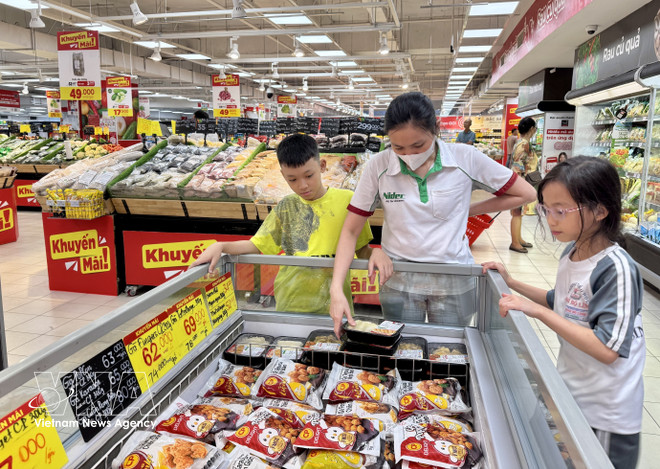
Supermarkets in Ho Chi Minh City are actively increasing promotions and effectively implementing price stabilisation programmes amidst market fluctuations. (Photo: VNA)

In addition, prices of budget dining services in Hanoi have begun to climb, with many eateries and coffee shops raising prices by 3,000–10,000 VND per serving or drink to offset higher ingredient and transportation costs.

Amid mounting pressure, the MoIT and local authorities are accelerating measures to stabilise the market. Management agencies stressed that the biggest risk is not only rising prices but also potential supply disruptions amid global uncertainties.

Key solutions include closely monitoring supply-demand developments, supporting businesses in connecting with logistics and e-commerce platforms to optimise costs, and maintaining market stabilisation programmes to prolong price stability.

At the local level, Nguyen Nguyen Phuong, Deputy Director of the Ho Chi Minh City Department of Industry and Trade, said the city will continue market stabilisation programmes, support trade promotion activities and help businesses share costs to sustain stable price levels.

Vinh Thanh Dat Food JSC, one of the leading producers and suppliers of clean poultry eggs in the southern region, has pledged to keep egg prices stable despite rising input costs, while rolling out promotional programmes.

Retailers are also taking proactive steps. Many large distribution systems have introduced price-lock programmes, large-scale promotions and expanded sourcing of domestic goods to ease cost pressures.

Saigon Co.op, for instance, has worked with suppliers to maintain reasonable prices for essential goods. From now until March 25, its supermarket network is offering discounts of up to 50% on around 1,000 products for daily consumption.

Similarly, MM Mega Market is implementing a price-lock programme for about 300 essential items through late March to minimise the impact of rising input costs on consumers.

Meanwhile, GO! hypermarkets are running a promotion campaign from March 12 to 25, offering discounts of up to 30% on fresh produce and meat, up to 27% on dairy and nutritional products, and up to 23% on ready-to-eat meals, alongside various buy-one-get-one and bulk discount offers./.
VNA

See more

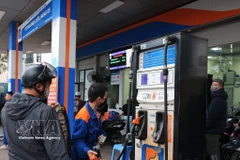
At a petrol station (Photo: VNA)

Energy giants work hard to roll out E10 RON95 sale ahead of schedule

Petrolimex and PVOIL, are in a strong position to accelerate the transition toward cleaner fuels. These companies have been actively preparing infrastructure, upgrading blending systems, and coordinating supply chains to ensure the availability of E10 RON95 across their nationwide retail systems.

Deputy Prime Minister Nguyen Chi Dung visits Bosch Industrial in Stuttgart, Germany. (Photo: VNA)

Vietnam, Germany boost innovation, startup ecosystem connectivity

Deputy PM Nguyen Chi Dung highly valued CfE’s reputation and pioneering role in building Germany’s innovation-driven startup ecosystem, and called for stronger cooperation with NIC to support Vietnamese universities, research institutes and organisations in training and scientific research.

The FTA Index 2024 provides a panorama of the FTA implementation outcomes across the country. (Photo: VNA)

ASEAN opens new export momentum for Vietnam

As competition in ASEAN is intensifying, Vietnamese enterprises are advised to strengthen distribution networks, enhance product innovation and closely monitor policy changes and trade-defence measures in importing markets to sustain and expand their market share.

At the press briefing on the first national conference on livestock and veterinary science and technology (Photo: VNA)

Vietnam to host first national conference on livestock, veterinary medicine

The event will bring together more than 750 delegates from government agencies, research institutes, universities, industry groups, businesses and international organisations. It will review research and technology applications from 2021–2025 and set priorities for 2026–2030, with a focus on modernisation, sustainability and digital transformation.

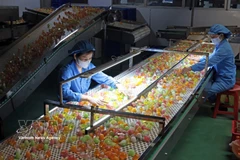
Jelly production at Long Hai Co., Ltd., Industrial Cluster 1, Thach Khoi ward, Hai Phong city (Photo: VNA)

Private sector – Growth driver from Resolution 68

The participation of major enterprises such as Sao Do and Hateco in key projects demonstrates the capacity and strategic vision of Vietnam’s private sector while concretising Resolution No. 68-NQ/TW on private economic development, creating fresh momentum for sustainable growth in dynamic localities like Hai Phong.

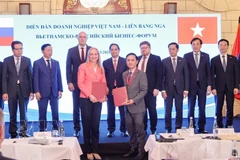
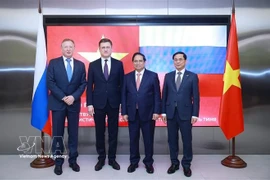
Prime Minister Pham Minh Chinh and officials witness the exchange of cooperation documents between Vietnamese and Russian businesses at the Vietnam – Russian Federation Business Forum in Moscow on March 24. (Photo: VNA)

PM attends Vietnam – Russian Federation Business Forum in Moscow

PM Pham Minh Chinh stressed that the complex global situation is weighing on the world economy, requiring the two countries to “unite to create strength, cooperate for mutual benefit, and engage in dialogue to build trust” and to “listen with sincerity, share with heart, and act through concrete products.”

At the meeting of the Steering Committee for Anti-Money Laundering. (Photo: VNA)

Deputy PM chairs meeting of Steering Committee for Anti-Money Laundering

Phoc also urged ministries and sectors, in line with their mandates, to pool all available resources to fulfill the tasks set out in the plan, increase investment in workforce and technology for anti-money laundering work, review and amend legal regulations to ensure consistency with conclusions issued by competent authorities.

A roundtable between Vietnamese and Australian business communities at the Parliament House of Victoria. (Photo: VNA)

Meetings seek to boost Australian investment in Vietnam

During the sessions, representatives of Australian funds and financial institutions described Vietnam as one of Asia’s most attractive emerging markets, citing steady economic growth, a young population and rising demand for modern financial services. The establishment of the VIFC was seen as opening new avenues for international investors.