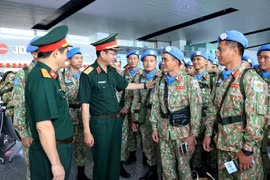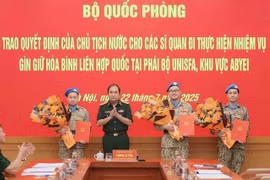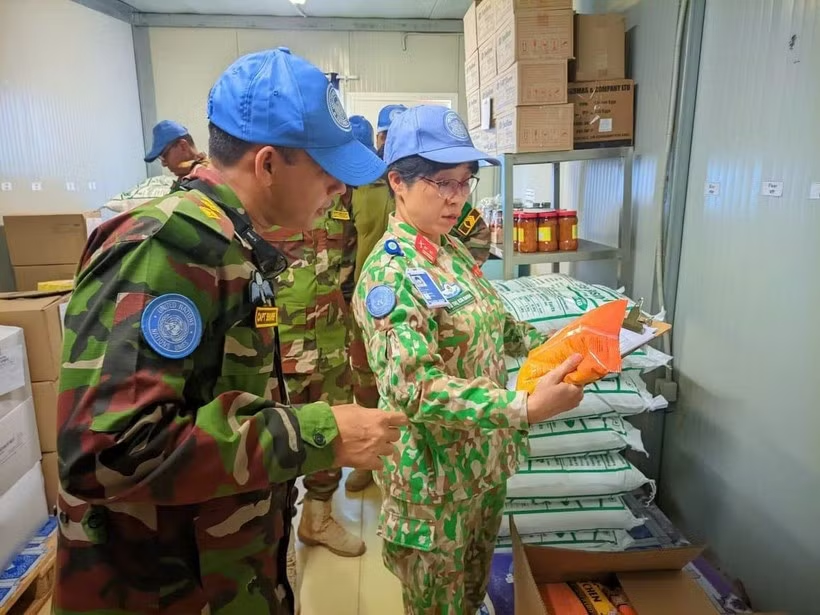
Hanoi (VNA) – In the scorched and volatile borderland of Abyei, straddling Sudan and South Sudan, Lieutenant Colonel Vu Thi Kim Oanh stands as the sole Vietnamese officer in the rations section of the United Nations Interim Security Force for Abyei (UNISFA).
Her work, though unglamorous, is the linchpin for the survival of over 3,000 personnel, ensuring that sustenance reaches a multinational force in one of the world’s most unforgiving conflict zones.
Clad in the UN’s signature blue beret, Oanh serves as UNISFA’s first and only Vietnamese logistics officer tasked with overseeing military rations, a role that anchors the mission’s diverse ranks with a steady supply of food.
A “lifeline” in a harsh land
Abyei is a place of extremes, where nature conspires with conflict to test human endurance. For seven months, the dry season brings blistering heat, with temperatures hitting 48–49°C and sandstorms fueled by desertification. The rainy season, by contrast, drowns dirt roads in mud, sometimes flooding them for days. For UNISFA’s 3,000 personnel, getting food through this chaos is a make-or-break mission.
Oanh’s job isn’t just about tossing rice and meat around, it’s about precision and trust, the kind that keeps morale high in a multinational force dodging bullets. “This is the backbone of the mission”, she said.
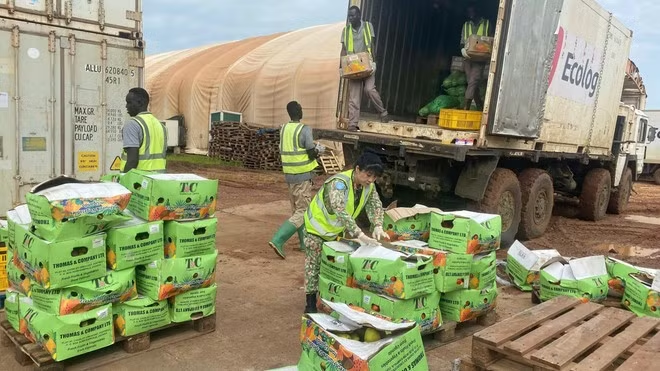
There are no days off in her world. Whether under a blistering sun or in torrential rain, she and her rations unit colleagues spring into action when supplies arrive. Outfitted with temperature guns, cameras, and notebooks, they don protective gear to document container seals and check temperatures – 5°C for fresh food, 25°C for dry goods, and -19°C for frozen items – adhering to the UN’s exacting standards.
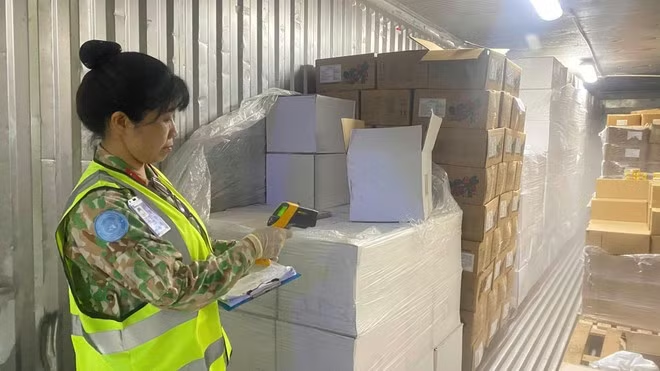
“Eggs can spark debates,” Oanh noted. “A tray holds 30, but sizes differ. We demand a 20 kg minimum per box, check ventilation pads, packaging, and frost levels. Every detail is photographed and reported to the Chief of Rations”.
Her moments of relief come when dozens of containers arrive unscathed, a sign that no convoy is ambushed, securing food for thousands. Her greatest joy is opening containers to find intact goods or emergency composite ration packs (CRPs), each providing 4,500 calories of fish, meat, vegetables, fruit, and seasonings for a full day’s nutrition.
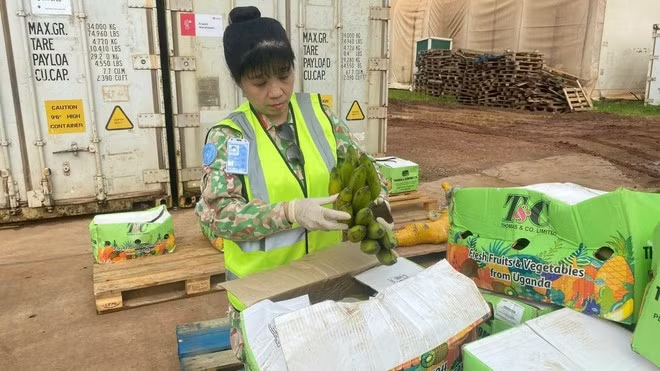
CRPs are the ultimate backup when conflict, cancelled flights, or floods cut off supplies. These long-shelf-life packs are locked down tight, used only after receiving the green light from the Chief of Rations. Oanh makes sure they’re ready for the worst cases.
A “diplomat of logistics”
Unlike the internal budget-focused logistics roles in the Vietnamese army, Oanh’s work at UNISFA demands what she calls “logistical diplomacy”. She manages contracts, ensures compliance, and liaises with contractors and mission units, balancing precision with cross-cultural finesse.
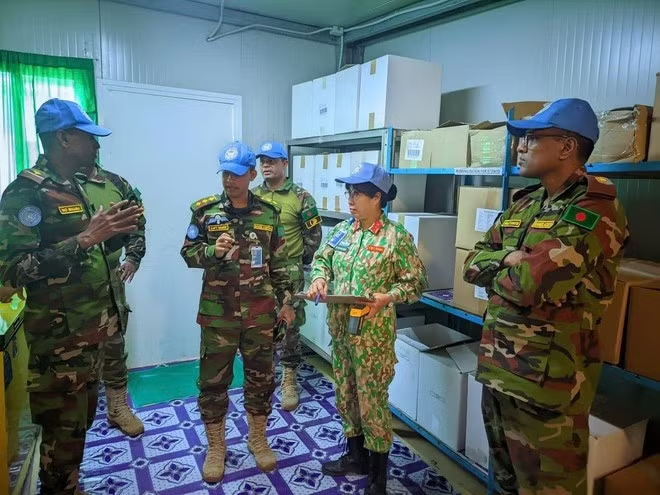
Through the UN’s Electronic Ration Management System, Oanh plans weekly deliveries, with orders locked in 2-3 months ahead. When units over-order or request unlisted items like specific condiments, she guides them through UN protocols to keep things fair and avoid wastefulness.
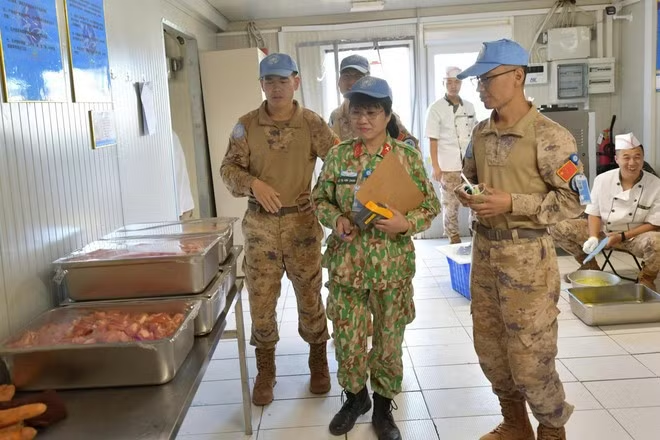
To ensure accuracy, ration officers from different nations collaborate closely to monitor deliveries, quality, and compliance. They are also responsible for detailed recordkeeping, inventory control, and statistical reporting under UN guidelines.
“Though it’s a logistics role, it’s truly part of nontraditional security assurance,” Oanh said. “A multinational mission can only function smoothly when soldiers from Ghana, Pakistan, Vietnam, or India trust their daily meals. This takes professional competence, mettle, responsibility, and adaptability in a multinational and multicultural environment”./.