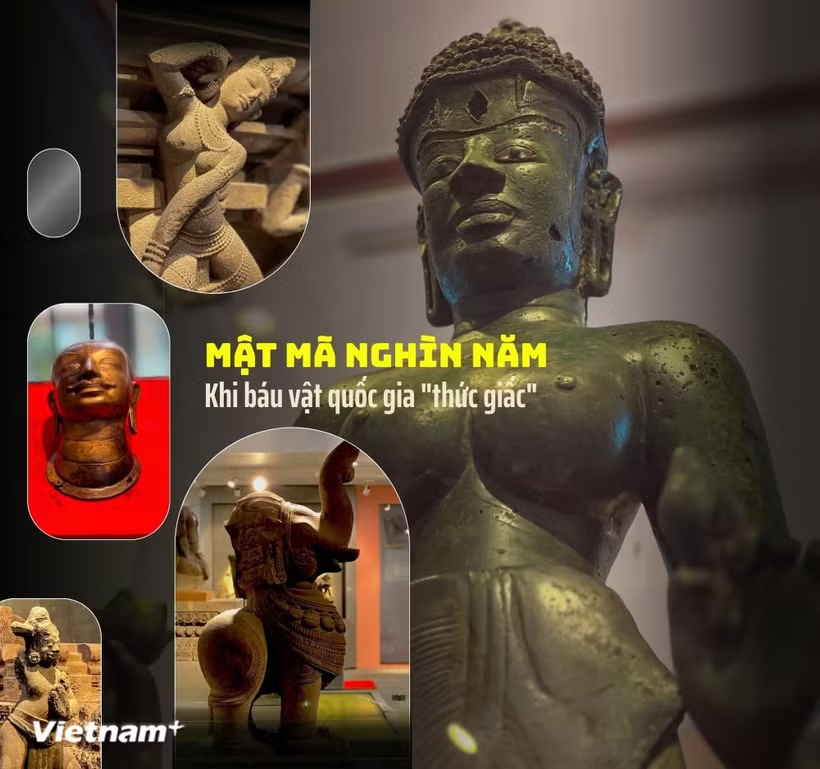
Hanoi (VNA) – The gathering of 19 national treasures in Da Nang represents far more than a conventional museum display. It is portrayed as a symbolic journey in which heritage “awakens”, opening an evocative dialogue between the splendour of the past and the dynamic pulse of contemporary urban life.
The exhibition offers both residents and visitors an opportunity to encounter history in an immersive way, reminding them that cultural identity continues to evolve even as it draws strength from ancient roots.
In the vibrant coastal city of Da Nang, where modern glass towers rise along the banks of the Han River and urban development accelerates with each passing year, there exists a space in which time appears to slow. Crossing the threshold of the Cham Sculpture Museum, the noise of traffic fades into the background, replaced by the solemn stillness of sandstone sculptures that have endured for centuries.
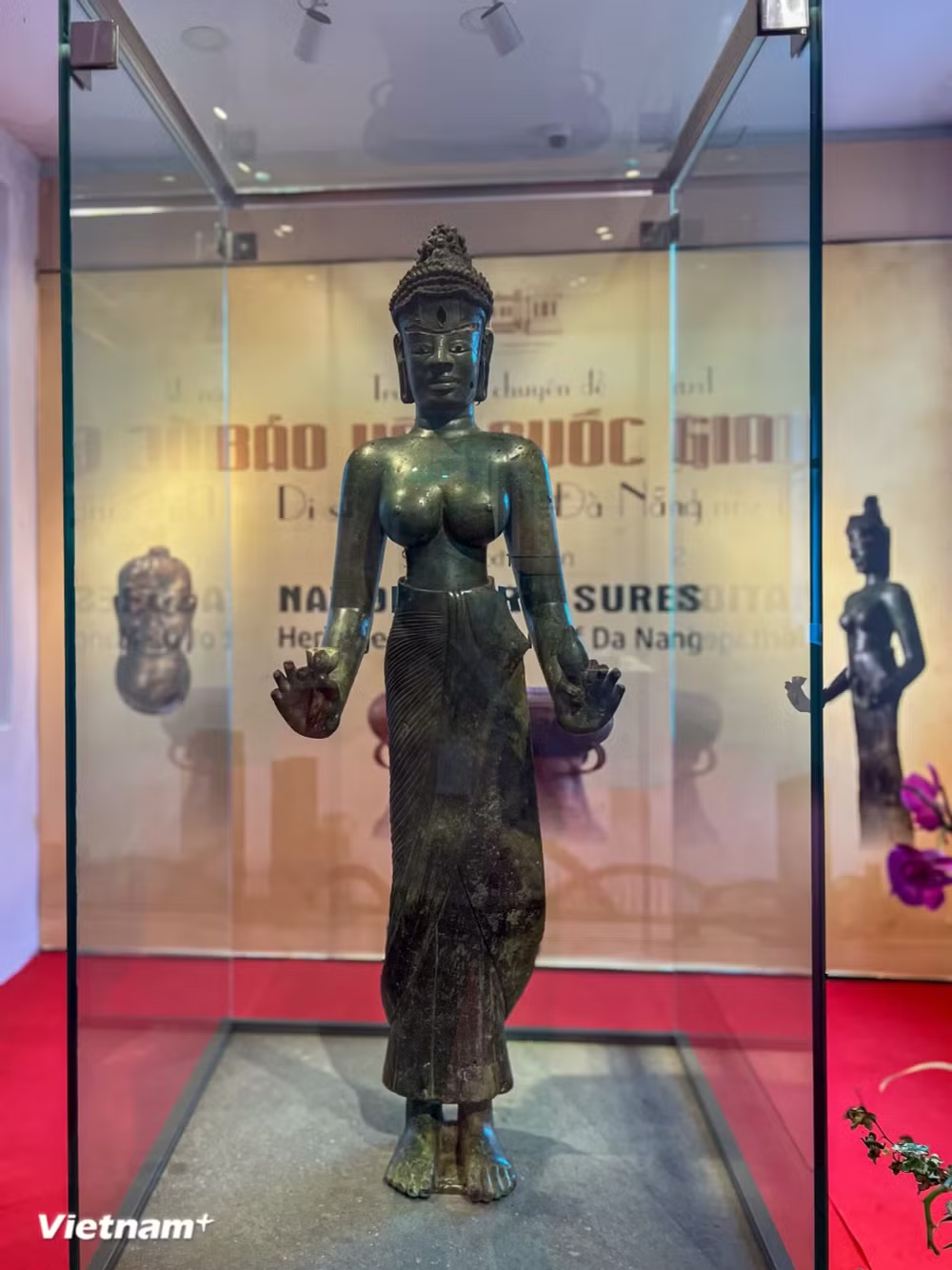
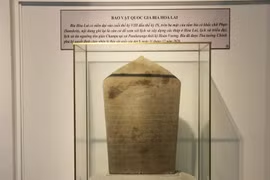
The atmosphere is contemplative, almost sacred. Within this space, relics from the Dong Son, Sa Huynh, and Champa civilisations stand like coded messages from the past, revealing fragments of once-flourishing cultures that shaped the spiritual and artistic foundations of central Vietnam.
The legend of the “Eastern Mona Lisa”
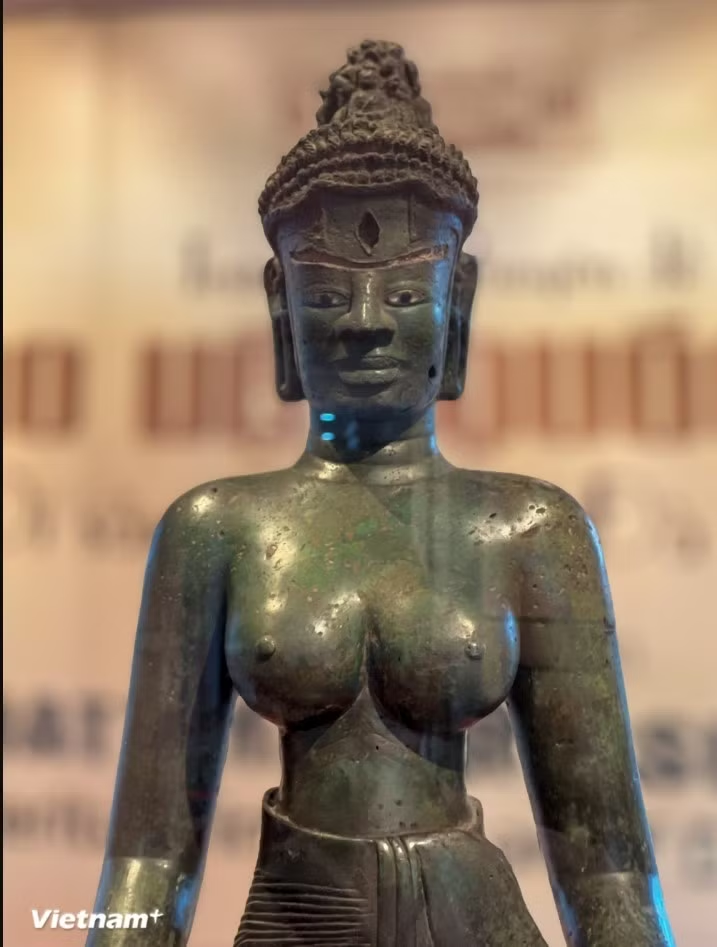
Among the collection’s most compelling artefacts is the bronze statue of Bodhisattva Tara, widely regarded as the most haunting and captivating piece on display. Celebrated as the most refined masterpiece of Champa bronze casting, the sculpture conveys a rare combination of authority and compassion. Its gemstone-inlaid eyes, serene yet penetrating, appear to follow the viewer, inviting contemplation. Under museum lighting, the statue’s aged green patina evokes a mysterious elegance that has drawn comparisons to the enigmatic smile of the Mona Lisa, earning it the poetic title of the “Eastern Mona Lisa.”
Yet behind this aesthetic perfection lies a turbulent story that spans nearly half a century. The statue was discovered by local farmers in 1978 at the Dong Duong Buddhist complex, buried at a depth of about 1.5 metres. At the time of its discovery, both of its hands had been broken off due to a misunderstanding of the metal’s value, an act that left the artefact incomplete for decades. The absence of its ritual attributes diminished not only its visual integrity but also its symbolic significance.
It was only in late 2023, following persistent efforts by researchers, heritage authorities, and conservation specialists, that the statue’s original attributes — a lotus and a conch shell — were located, authenticated, and carefully restored to their rightful positions. Scholars confirmed that the fracture marks on the hands matched perfectly with the recovered objects, dispelling any lingering doubts about their authenticity. The restoration was widely regarded as a triumph of cultural preservation, demonstrating how patient scholarship and institutional commitment can help recover lost fragments of history.
Beyond its artistic value, the statue of Tara holds deep spiritual meaning. In Mahayana and Vajrayana Buddhist traditions, Tara symbolises compassion, protection and enlightenment. Her restored form, therefore, represents not only the revival of a national treasure but also the resilience of cultural memory in the face of time and adversity.
Sacred codes in stone and epic narratives
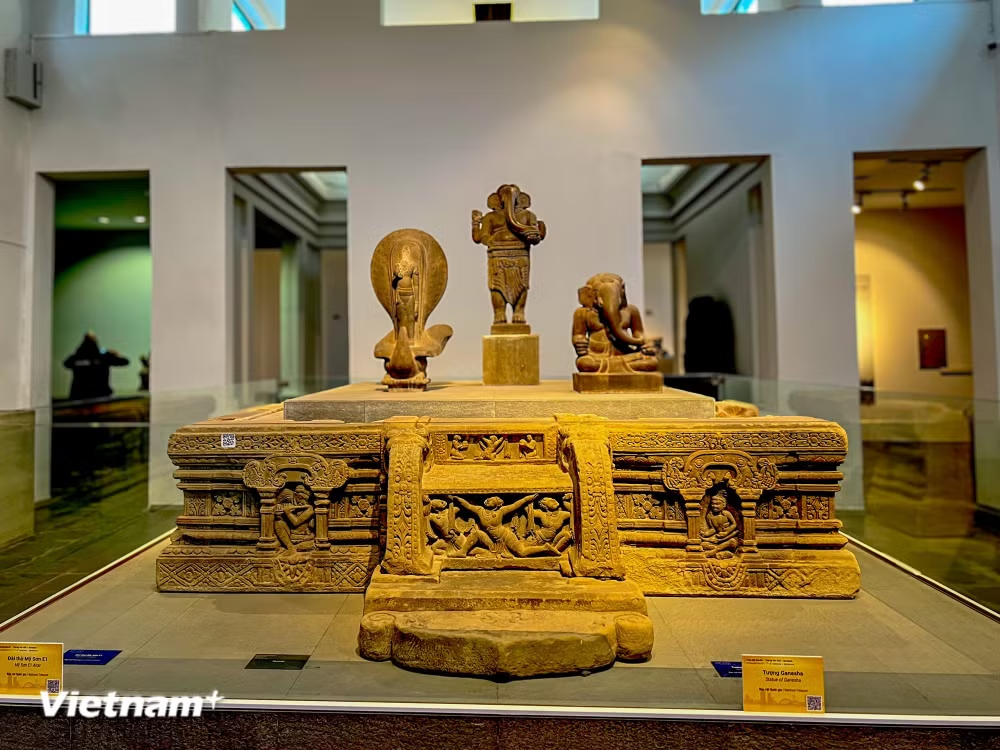
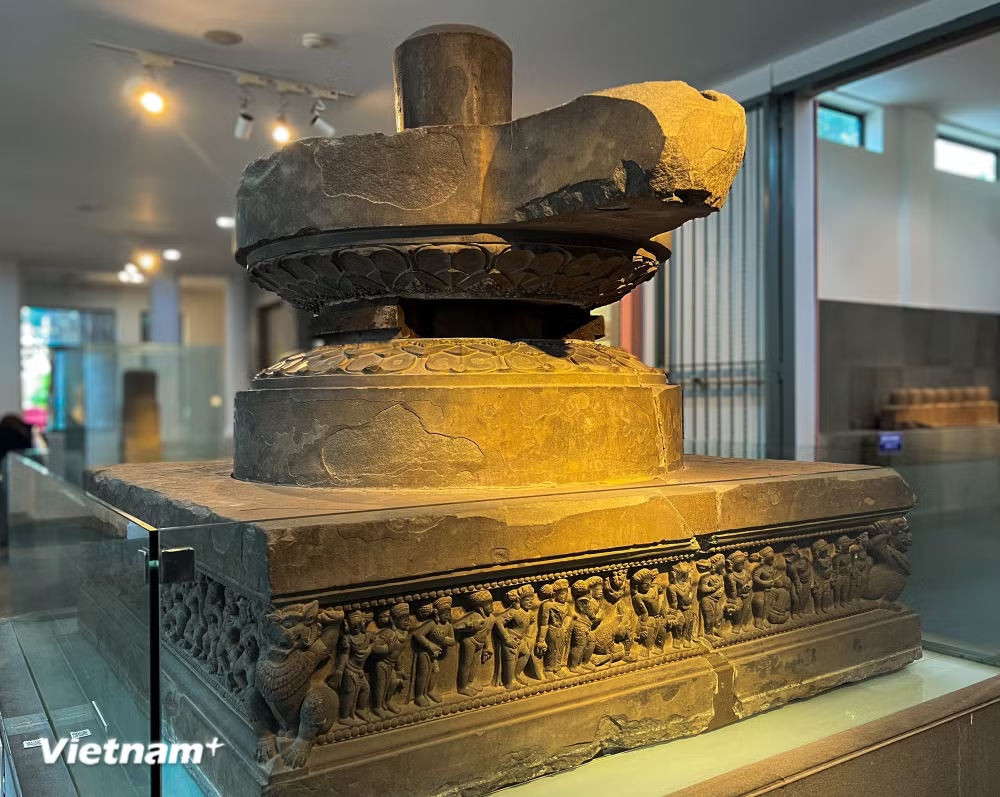
If Tara exemplifies perfection in metal, the sandstone altars of My Son E1 and Tra Kieu embody epic narratives carved into stone. These artefacts provide invaluable insight into the religious practices, artistic sensibilities, and philosophical ideals of early Champa civilisation.
The My Son E1 pedestal, dating from the seventh to eighth centuries, is often described as the most important visual record of early ascetic life in the region. Constructed from 14 carefully assembled stone blocks, the pedestal features intricate carvings depicting Brahmin monks engaged in a variety of daily activities. Scenes of scripture reading, teaching, meditation, and yoga practice are interwoven with images of music-making in natural surroundings.
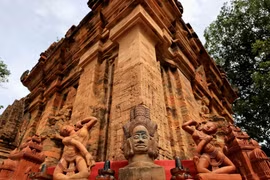
In contrast, the Tra Kieu altar captivates viewers with its dynamic representation of celestial Apsara dancers. Sculpted in the tribhanga posture, a graceful stance characterised by three elegant curves, the dancers appear fluid and animated. They appear as though the hardness of stone has been softened by the artist’s touch. The carvings vividly illustrate episodes from the Ramayana, including the wedding of Rama and Sita, reflecting both the narrative richness of Indian epic tradition and the creative adaptation of these stories within the Champa cultural context. The altar is a pinnacle of Champa sculpture from the 10th century, showcasing the sophistication of artistic expression during this period.
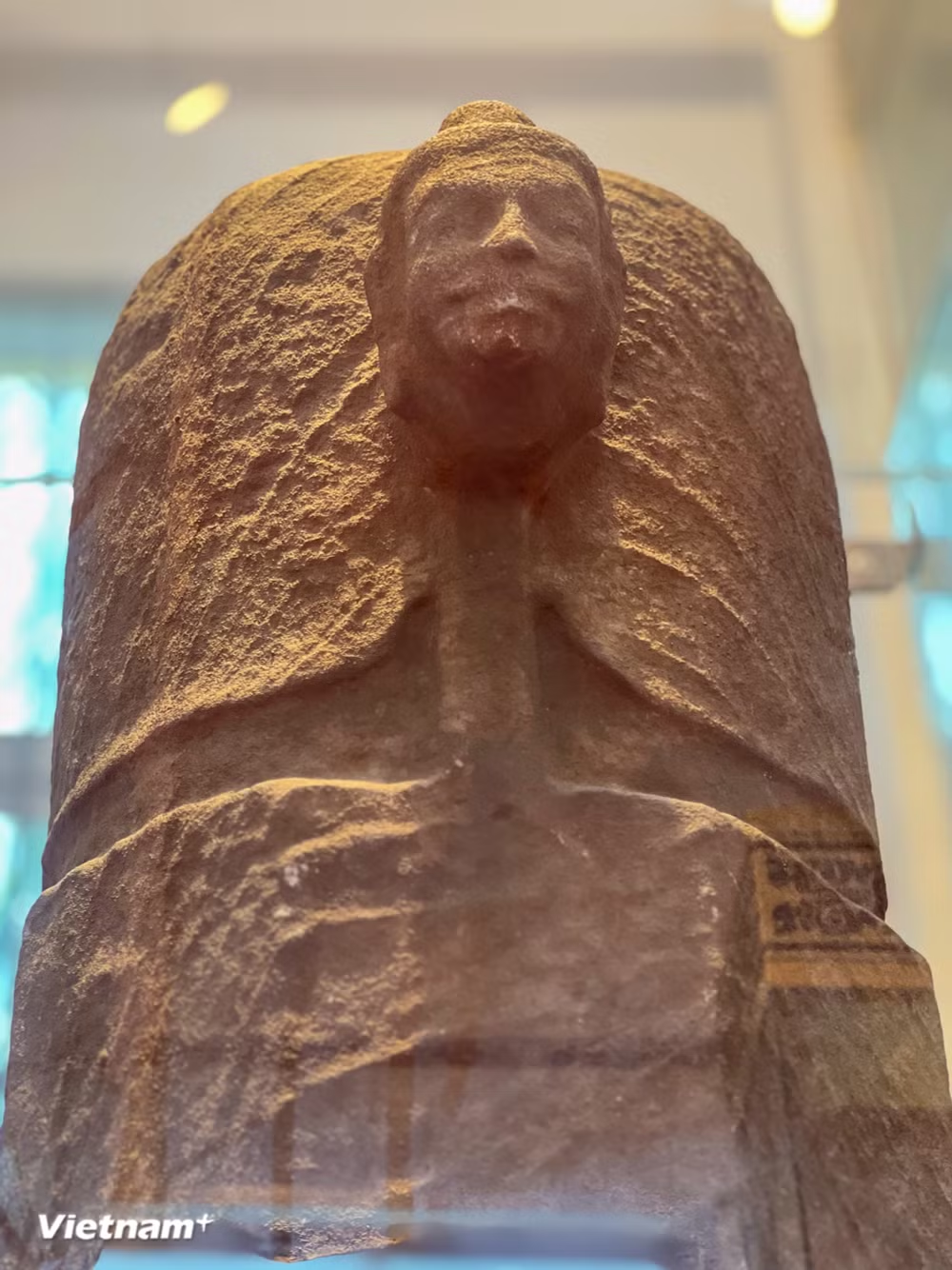
The narrative of sacred art reaches a dramatic culmination in the statue of Shiva from My Son C1. This imposing figure has long been the subject of scholarly debate. Early French architect Henri Parmentier interpreted the statue as depicting the deity in a serene mendicant posture, embodying humility and spiritual detachment. Modern researchers, however, have proposed a more powerful interpretation, suggesting that the statue represents the concept of Devaraja — the sacred fusion of divine authority and royal sovereignty.
This interpretation is reinforced by the statue’s elongated earlobes, which once supported heavy gold earrings weighing up to 1.5 kilograms. Such adornments symbolised both wealth and divine status, transforming the image into a portrait of a ruler elevated to godhood. Through this lens, the statue becomes not only a religious icon but also a political statement, reflecting the close relationship between spiritual belief and royal power in Champa society.
Echoes of antiquity along the banks of the Han River
The exhibition’s exploration of spiritual symbolism continues with other artefacts dedicated to Shiva. One of the most remarkable is the Mukhalinga, a linga crowned with the face of the deity. Discovered at My Son after heavy rainfall in 2012, the artefact caused considerable excitement among archaeologists. The emergence of Shiva’s visage from the rounded form of the linga symbolises creative energy and cosmic authority, reinforcing the central role of the deity in the spiritual worldview of ancient Champa communities.
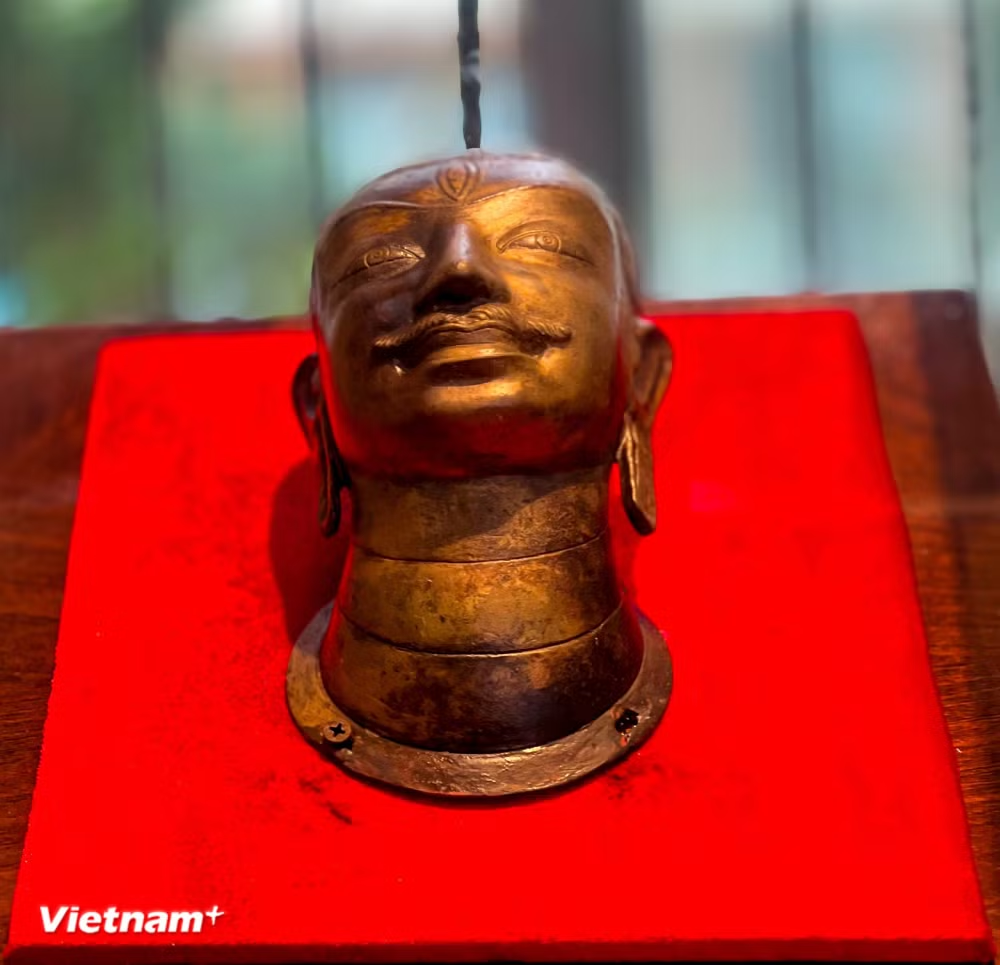
Equally intriguing is the gold-alloy Kosa head of Shiva, dating from the early 10th century. Used as a ceremonial covering for the upper part of the linga during important rituals, the piece features three eyes, intricately styled hair, and elongated ears adorned with earrings. Its exquisite craftsmanship testifies to the advanced metallurgical skills of Champa artisans, while also suggesting the wealth and prestige of the kingdom during its period of prosperity.
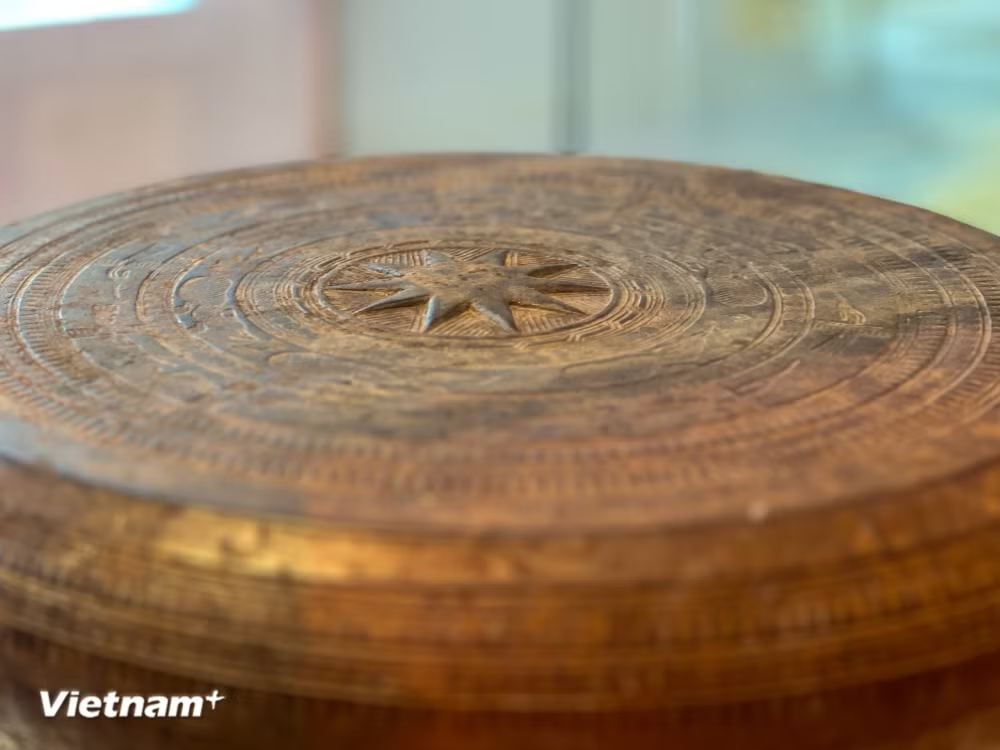
While the exhibition focuses heavily on Champa heritage, it also highlights the cultural convergence that has long characterised central Vietnam. A Dong Son bronze drum, dating from the third to second centuries BCE, stands alongside the Lai Nghi gold jewellery set of the Sa Huynh culture. The drum features unique motifs, including mythical animals and a peacock perched upon a turtle, which distinguish it from other examples of Dong Son craftsmanship. Meanwhile, the Lai Nghi jewellery collection, comprising 108 finely crafted items, reflects both the affluence and technical sophistication of ancient coastal communities.
The presence of artefacts from multiple cultural traditions within a single exhibition space underscores Da Nang’s historical role as a crossroads of exchange and interaction. For centuries, the region served as a hub for maritime trade and cultural dialogue, linking diverse civilisations across Southeast Asia and beyond. This legacy of openness and connectivity continues to shape the city’s identity today.
Far from a static display, the exhibition integrates modern technology to enhance visitor engagement. Through the use of QR codes and digital storytelling, museum-goers can access detailed explanations of each artefact via their smartphones. This interactive approach transforms the museum visit into a dialogue between past and present, enabling audiences to explore the historical significance of even the smallest sculptural detail.
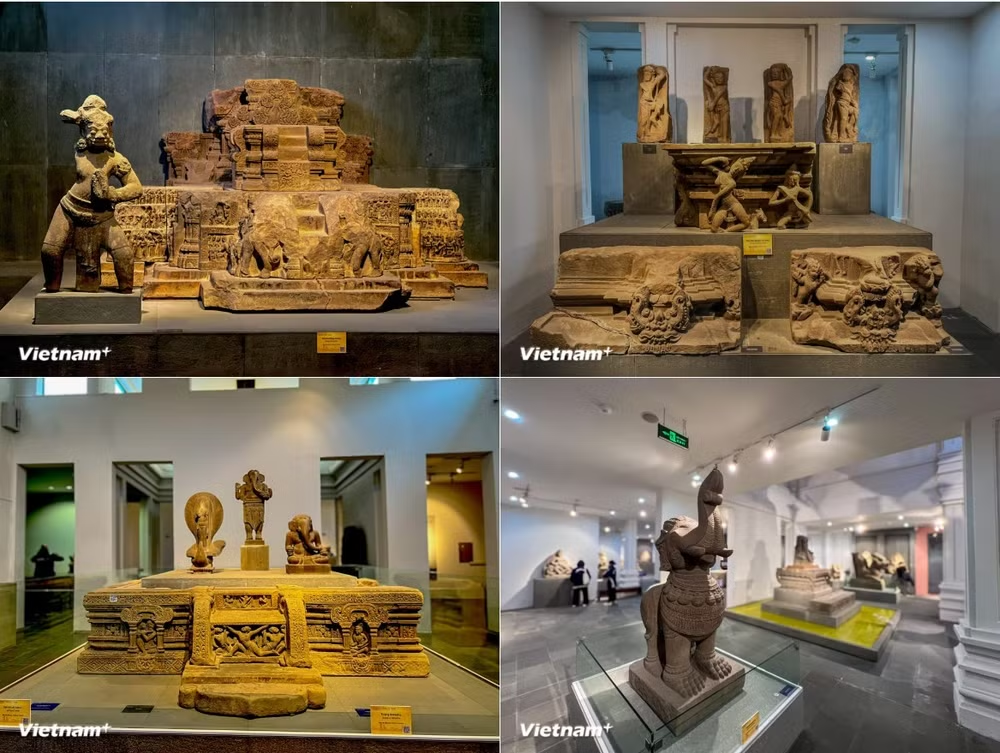
Museum leaders emphasise that the ultimate goal is to foster deeper public awareness of Da Nang’s cultural identity. As a rapidly developing urban centre, the city seeks to balance economic growth with the preservation of its historical heritage. By presenting national treasures in a way that is both accessible and intellectually engaging, the exhibition contributes to a broader effort to position Da Nang as a destination where cultural depth complements modern vitality.
With tens of thousands of visitors each month, many of them international tourists, the exhibition has already begun to fulfil this ambition. The national treasures on display have become silent cultural ambassadors, promoting the city’s image on the global stage while encouraging dialogue about heritage conservation and sustainable tourism.
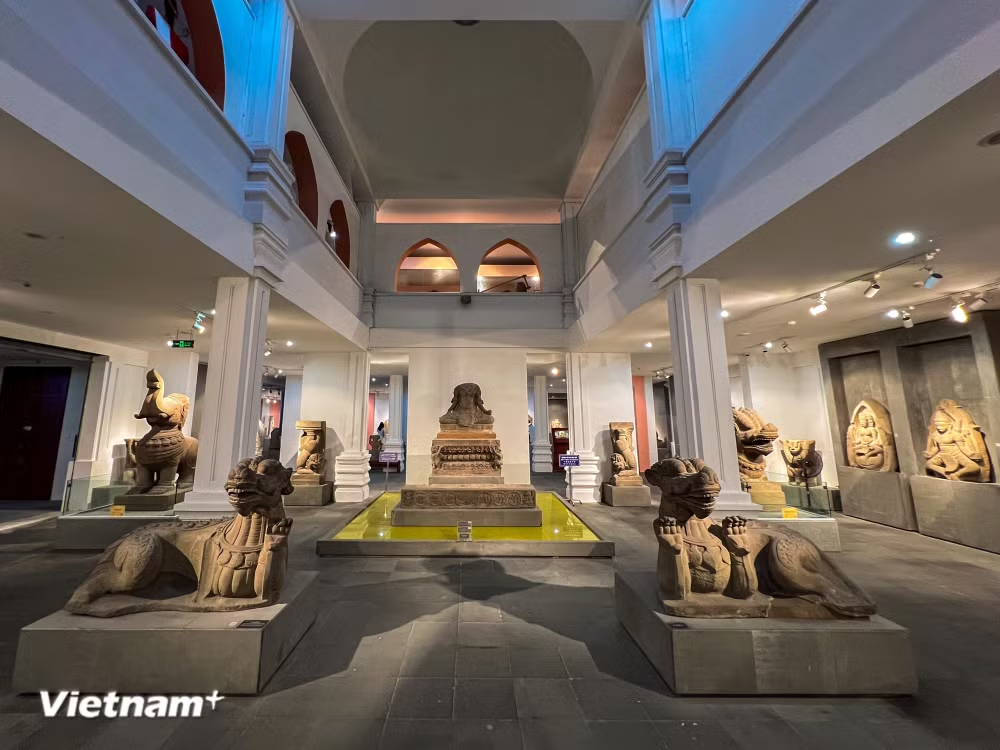
Ultimately, the millennial journey of heritage continues to flow through the modern urban landscape. These artefacts do not merely rest behind protective glass; they serve as living sources of inspiration, reminding contemporary society of its vibrant origins. As Da Nang builds new bridges across the Han River, it is also constructing symbolic cultural bridges that connect the past and future. In doing so, the city affirms that its national treasures remain the enduring soul of a modern metropolis shaped by invaluable historical legacy./.